

Cyberbullying is the use of electronic communication, including mobile phones, computers, tablets, and online platforms to bully, threaten, intimidate, or humiliate someone. These are often the same devices and tools that parents and schools provide to children for learning and connection, which makes cyberbullying especially difficult to monitor.
Sadly, many children are reluctant to admit they are being cyberbullied. This is often because the bullying comes from people they know, trust, or even consider friends, making it confusing and emotionally painful to speak up.
There is ongoing discussion among parents, educators, and professionals about what cyberbullying looks like and where the line lies between acceptable behaviour and harmful conduct. Understanding these distinctions is key to protecting children.
What Cyberbullying Looks Like
Cyberbullying can take many forms, including:
- Sending mean or threatening text messages or instant messages
- Pranking or harassing someone repeatedly via their phone
- Hacking into a gaming, social media, or messaging account
- Being rude, aggressive, or humiliating toward someone in an online game
- Spreading secrets or rumours about someone online
- Pretending to be someone else in order to post hurtful or damaging messages
Cyberbullying includes sending, posting, or sharing negative, harmful, false, or mean content about another person. It may also involve sharing private or personal information with the intent to embarrass or humiliate.
While cyberbullying was once seen mainly as an issue among middle and high school students, even primary-aged children are now at risk. Unlike traditional bullying, this type of harassment does not stop when a child leaves the school gates. It can follow them home, affect their confidence, disrupt friendships, and impact their academic performance by creating anxiety and reluctance to attend school.
Some forms of cyberbullying cross the line into unlawful or criminal behaviour including threats of harm or death. These situations should always be reported to schools and, where appropriate, to authorities immediately.
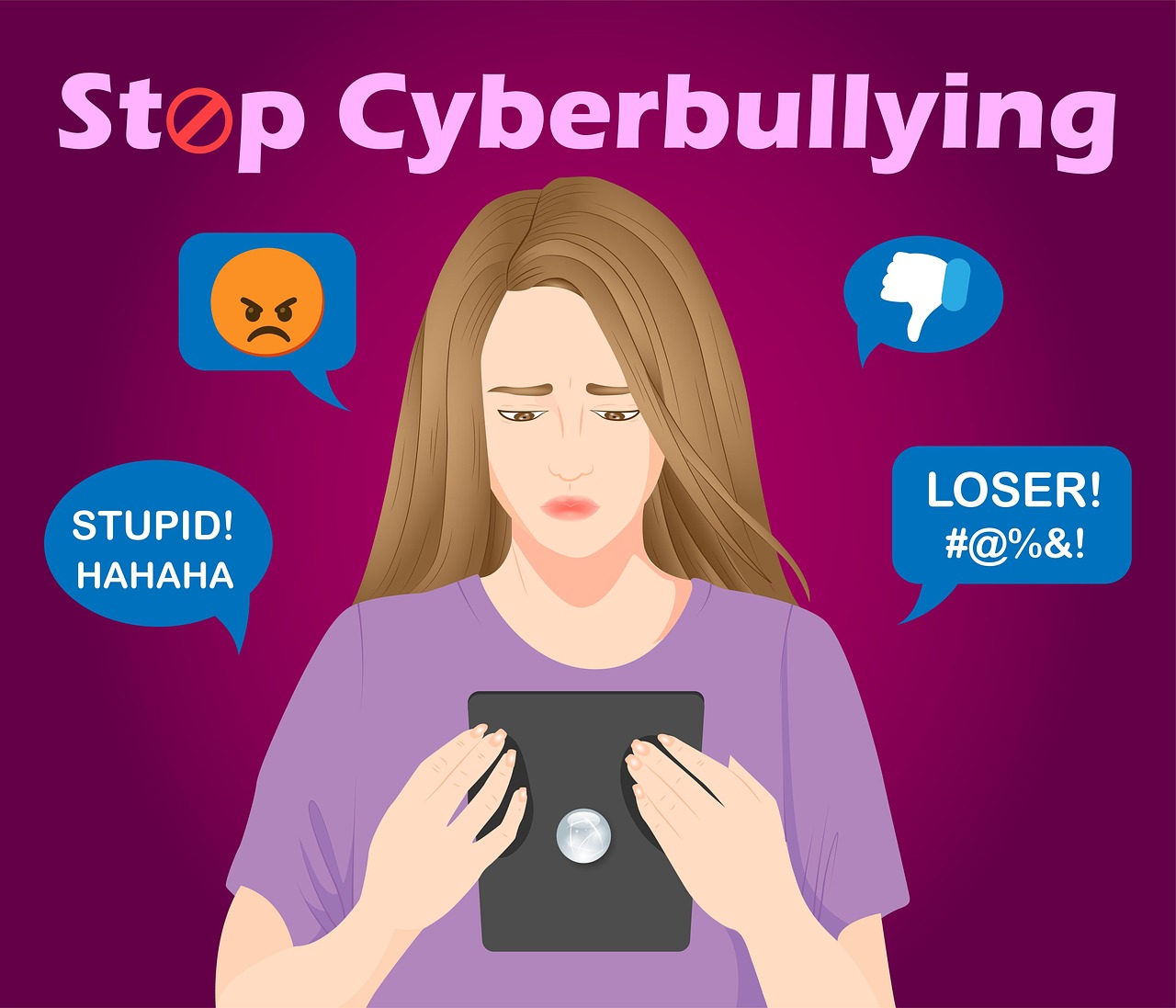
Why Cyberbullying Is So Harmful
Technology brings many positive opportunities for children, but it also creates an environment where bullying can happen constantly and publicly. Increasingly, parents are dealing with situations where children are:
- Receiving insulting or mocking messages daily
- Having personal information shared online without consent
- Seeing photos or recordings posted without permission
- Having images manipulated and shared with the sole intention of humiliation
When a child is exposed to abusive words and actions on social media every day, it can take a serious emotional toll. It is crucial that children understand this behaviour is still bullying even if it happens online and that threats, insults, and harassment should never be ignored or tolerated.
Being Bullied by Strangers
While bullying from peers is common, one of the biggest dangers online comes from strangers. Trolls and individuals who hide behind screens to harass or intimidate others are widespread, and many of them are adults.
Bullying by strangers can include:
- Insulting or aggressive private messages
- Threats, including death threats
- Threats to locate the child or cause physical harm
- Requests for personal information
- Pressure to engage in inappropriate behaviour
- Requests for money
There is also an added risk of grooming, manipulation, or coercion. Children may be tricked or threatened into sharing sensitive information, images, or recordings.
When it comes to online interaction, children must understand that “stranger danger” applies online just as it does in real life. They should never interact with people they do not know or cannot verify. If anyone asks personal questions, behaves inappropriately, or makes them uncomfortable, they must tell a trusted adult immediately.

Cyberbullying: Steps to Take
For cyberbullying to stop, it must first be recognised and reported.
If you think your child or you yourself is being cyberbullied, the first step is to seek help from someone you trust. This could include a parent, teacher, school counsellor, favourite teacher, close family member, or another trusted adult.
If speaking to someone you know feels difficult, consider searching for a child or youth helpline in your country to talk confidentially with a professional counsellor.
If the bullying is happening on a social media or gaming platform, consider blocking the person and reporting their behaviour directly through the platform. Social media companies have a responsibility to protect their users and respond to reports of abuse.