Living on an island like Phuket means water is part of everyday life. From beaches and swimming pools to hotel resorts and family homes, children are often surrounded by opportunities to play in the water. While these experiences can be fun and memorable, they also require careful supervision.
Drowning remains one of the leading causes of accidental death among young children in Thailand. Open water areas, unfenced pools and busy recreational spaces can create potential risks, especially for curious toddlers who are naturally drawn to water.
The good news is that many accidents can be prevented with awareness, preparation and simple safety habits. Here are five important tips to help parents keep children safe around water.

Always Keep Your Child Within Sight
Close supervision is the most important safety rule. Children should never be left unattended near any water, whether it’s a swimming pool, bathtub, pond or the sea.
Drowning can happen in a very small amount of water and often occurs silently, without splashing or cries for help. For this reason, parents or caregivers should always keep their eyes on children when they are near water, even during bath time.

Introduce Water Confidence Early
Helping children become comfortable in the water from an early age can build confidence and safety awareness. Some swim instructors begin introducing water familiarity from just a few months old.
Bath time can be a gentle way to start. Using a small cup, parents can slowly pour water down a child’s neck and back while counting aloud, such as saying “Ready… one, two, three.” Repeating this routine regularly helps children gradually adjust to the sensation of water.
Build Water Confidence Step by Step
Once a child becomes comfortable with water running down their neck and back, parents can slowly progress to pouring water over the back of the head. Over time, children learn to anticipate the water and naturally close their eyes.
Although some children may initially feel unsure or upset, calm repetition helps them become more relaxed and confident during water activities.

Don’t Rely on Floatation Devices
Inflatable armbands, rings and other flotation devices can give a false sense of security. Children may accidentally flip face-down in the water while wearing them, and they can become overly dependent on these aids.
While flotation devices can be useful under supervision, they should never replace active monitoring by an adult.
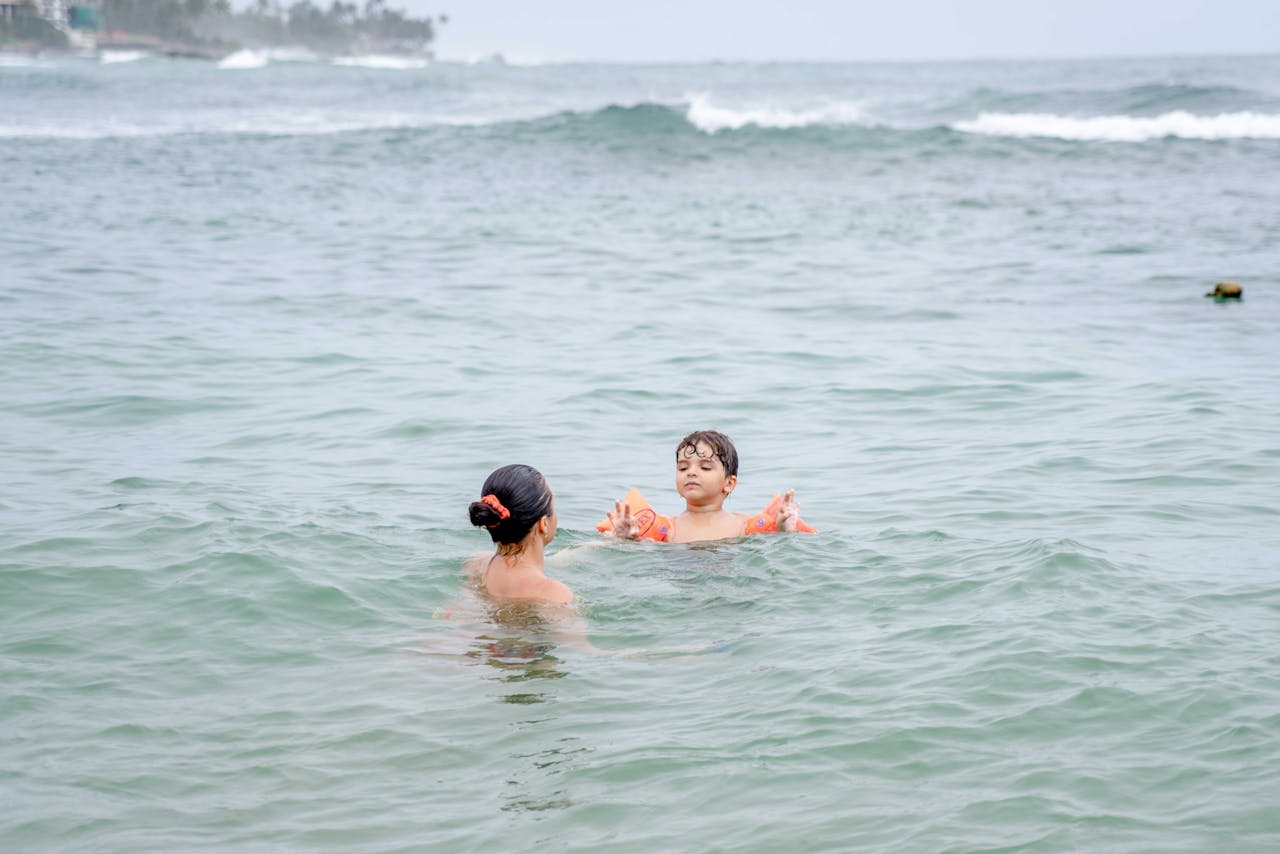
Join Your Child in the Water
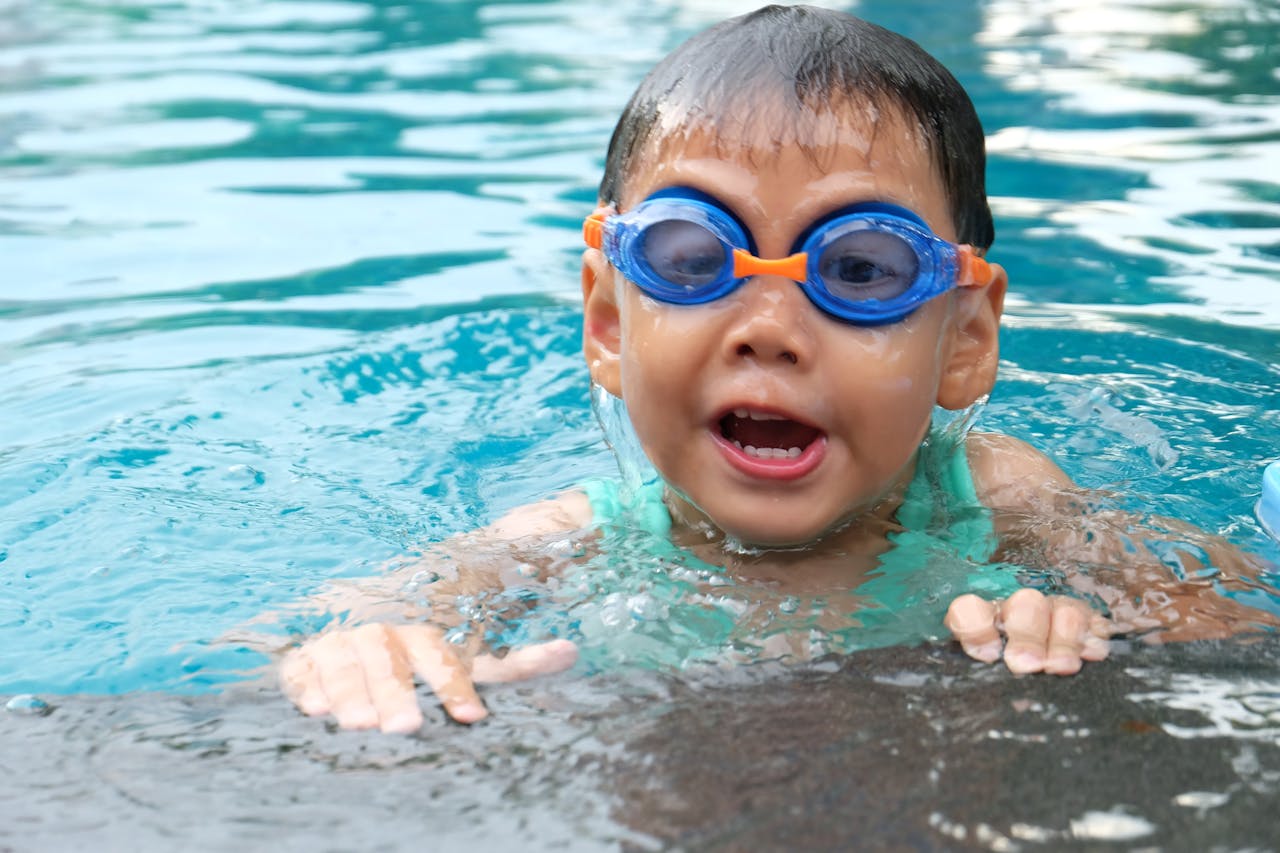
Spending time in the water together is one of the best ways to help children learn safely. Being in the pool or shallow water alongside them allows parents to guide, support and build confidence.
Encourage gentle exploration while staying close enough to assist if needed. Allowing children to experience the water in a controlled and supportive environment helps reduce fear and build familiarity over time.
Water Safety Starts With Awareness
Water activities are one of the great joys of growing up in Phuket. With beaches, pools and family resorts all around us, teaching children how to enjoy the water safely is an important part of island life.
By staying attentive, building water confidence early and creating safe habits, parents can help ensure that time spent around water remains fun, safe and positive for the whole family.