Music is part of everyday life. From streaming playlists at home to live performances and school events, children are naturally drawn to rhythm, melody and sound. Encouraging kids to explore music and learn an instrument at an early age can offer many long-term benefits, from building patience to strengthening confidence and self-expression.
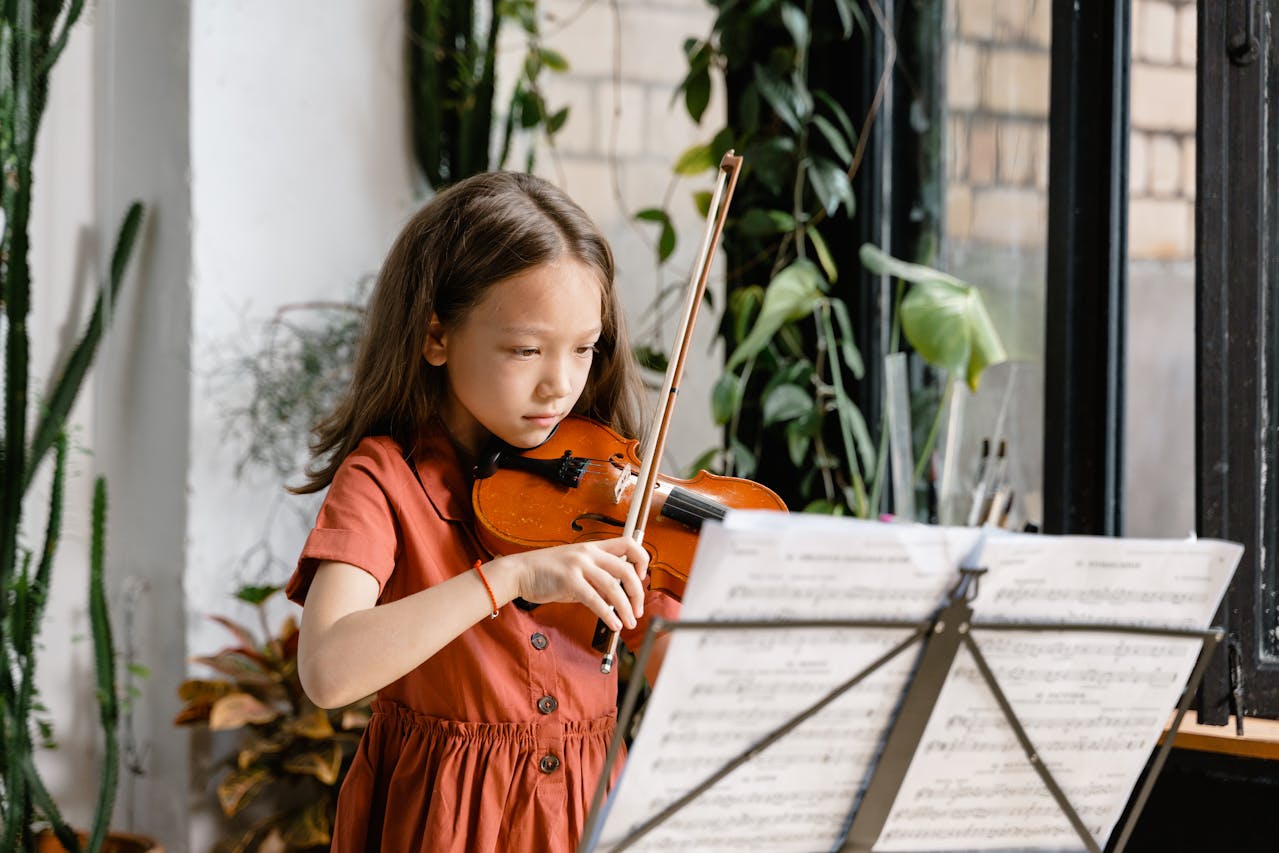
Learning an instrument is about far more than simply recognising different instruments in a classroom or experimenting with a few notes. It involves actively engaging with music through regular practice, concentration and persistence. As children gradually improve and reach small milestones, they experience a genuine sense of achievement. What may begin as a fun hobby can eventually grow into a valuable lifelong skill.
Playing music can also open many doors throughout a child’s life. From school performances and joining bands to making new friends through shared musical interests later on, music creates opportunities for connection and creativity. Even simple moments like playing a song for family at home can become meaningful memories.
Brain Development
One of the most exciting benefits of learning music is the positive effect it can have on brain development. Studies have shown that reading music and following musical patterns help stimulate areas of the brain responsible for sound processing, language and speech.
As children practise listening for notes, rhythm and pitch, they develop stronger listening skills and attention to detail. These abilities often carry over into other areas of learning, helping children become more focused and attentive students.
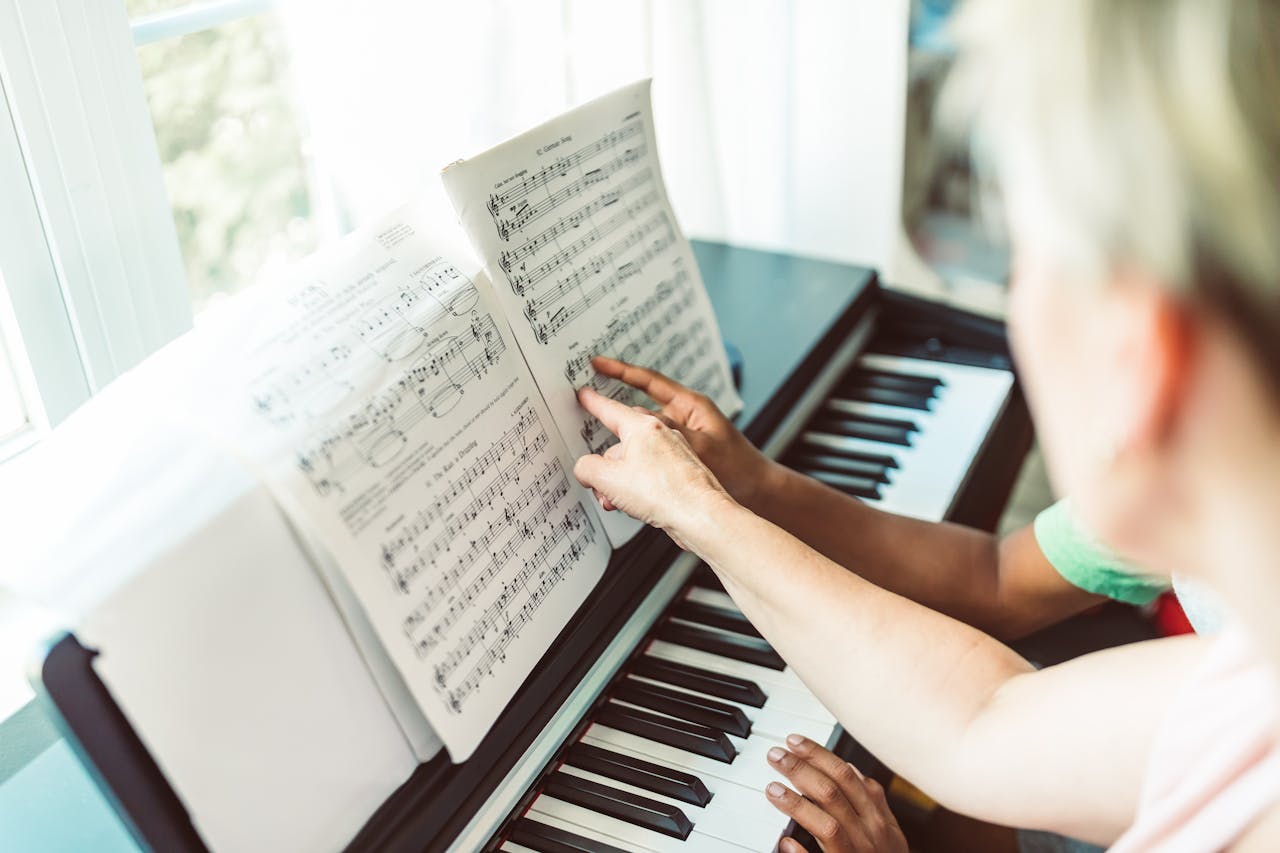
Playing an instrument also requires quick communication between the brain and the body. Fingers moving across piano keys or guitar strings send signals to the brain that strengthen coordination and processing speed over time. Learning to read musical notation further strengthens visual processing skills, similar to the way reading language supports cognitive development.

Emotional Benefits
Music can also play an important role in emotional growth and well-being. Learning an instrument encourages discipline, responsibility and perseverance all qualities that help shape a child’s character.
Music also allows children to express feelings in a creative and healthy way. Listening to and performing music can influence how the brain interprets emotions, helping children develop empathy and emotional awareness.
Participating in musical groups such as bands, orchestras or choirs can further support mental well-being by creating a sense of belonging. Working together toward a shared performance goal helps children develop teamwork and collaboration skills while building friendships.

Patience and Perseverance
Learning to play an instrument takes time and dedication. Progress often comes slowly, especially in the beginning, and regular practice is essential. Through this process, children learn the value of patience and persistence.
Understanding that improvement requires effort and that mistakes are part of learning helps children develop resilience. Setting small goals and working steadily towards them encourages determination and responsibility, skills that are valuable well beyond music.
Building Confidence
Music also provides a supportive environment where children can practise, make mistakes and gradually improve. As they begin to master new skills, they develop confidence in their abilities.
Receiving feedback, refining their technique and eventually performing for others can strengthen a child’s sense of self-belief. This confidence often extends beyond music into school life, social situations and other personal challenges.
When children see the results of their dedication and hard work, their self-esteem grows naturally. Learning an instrument may even inspire them to step outside their comfort zone and try new experiences.

Bringing Music Into Your Child’s Life
Whether your child chooses to sing, play the piano, learn the guitar, or experiment with instruments like the violin or trumpet, introducing music early can be a wonderful addition to their development.
Allow children to explore different instruments and musical styles until they discover what they enjoy most. Above all, the goal is for music to remain fun and inspiring. When children enjoy the process, learning becomes a natural and rewarding part of their lives.