Many parents feel pressure to give their children the best possible start in life. Research suggests that a large portion of brain development happens before the age of three, meaning that toddlers are already learning rapidly long before they begin formal schooling.
With so many toddler classes and early learning programmes available, parents often wonder whether they are truly beneficial or simply another trend. While some ideas like playing classical music to babies before they are born may not have strong scientific backing, enrolling toddlers in engaging playgroups or development classes can be extremely valuable.
When these classes are well structured and designed around play, music and social interaction, they can support important areas of early childhood development.
Social Awareness
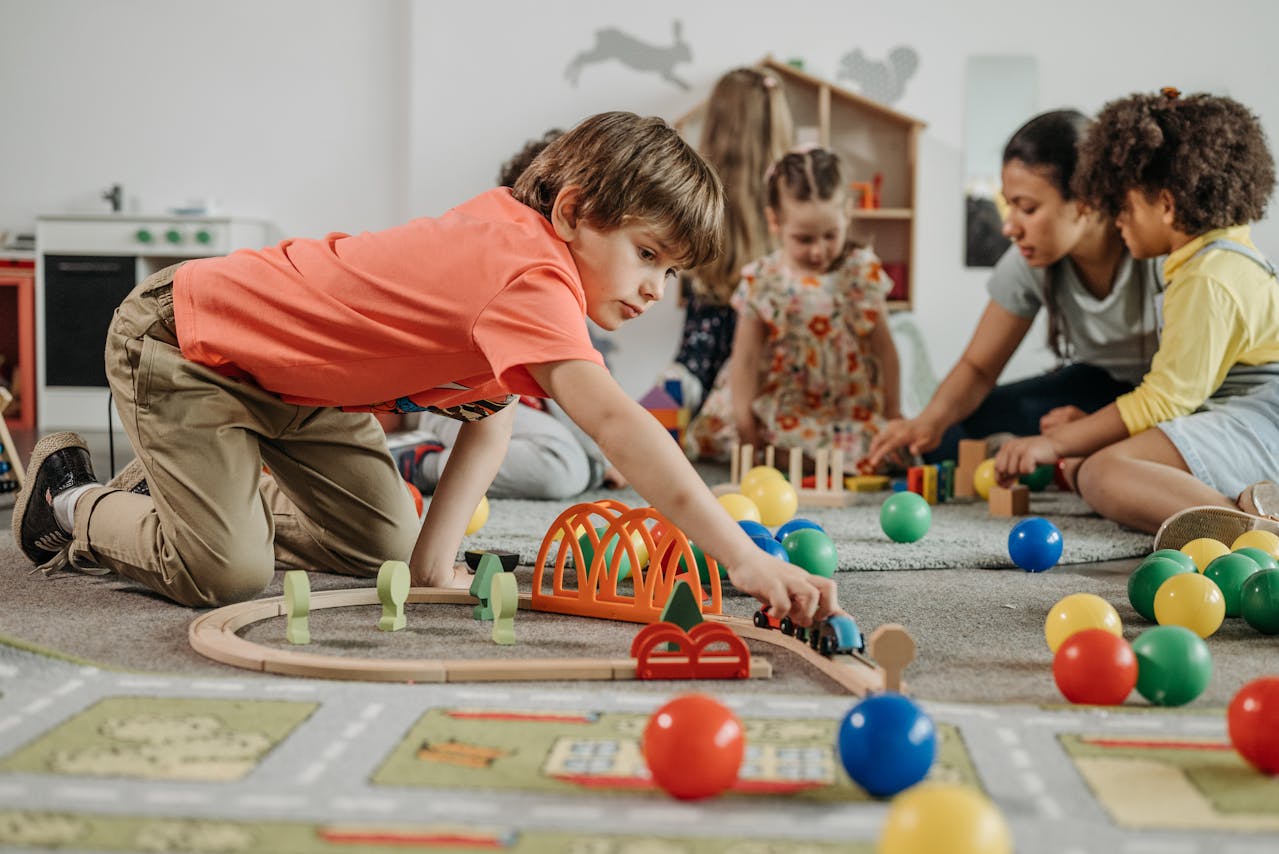
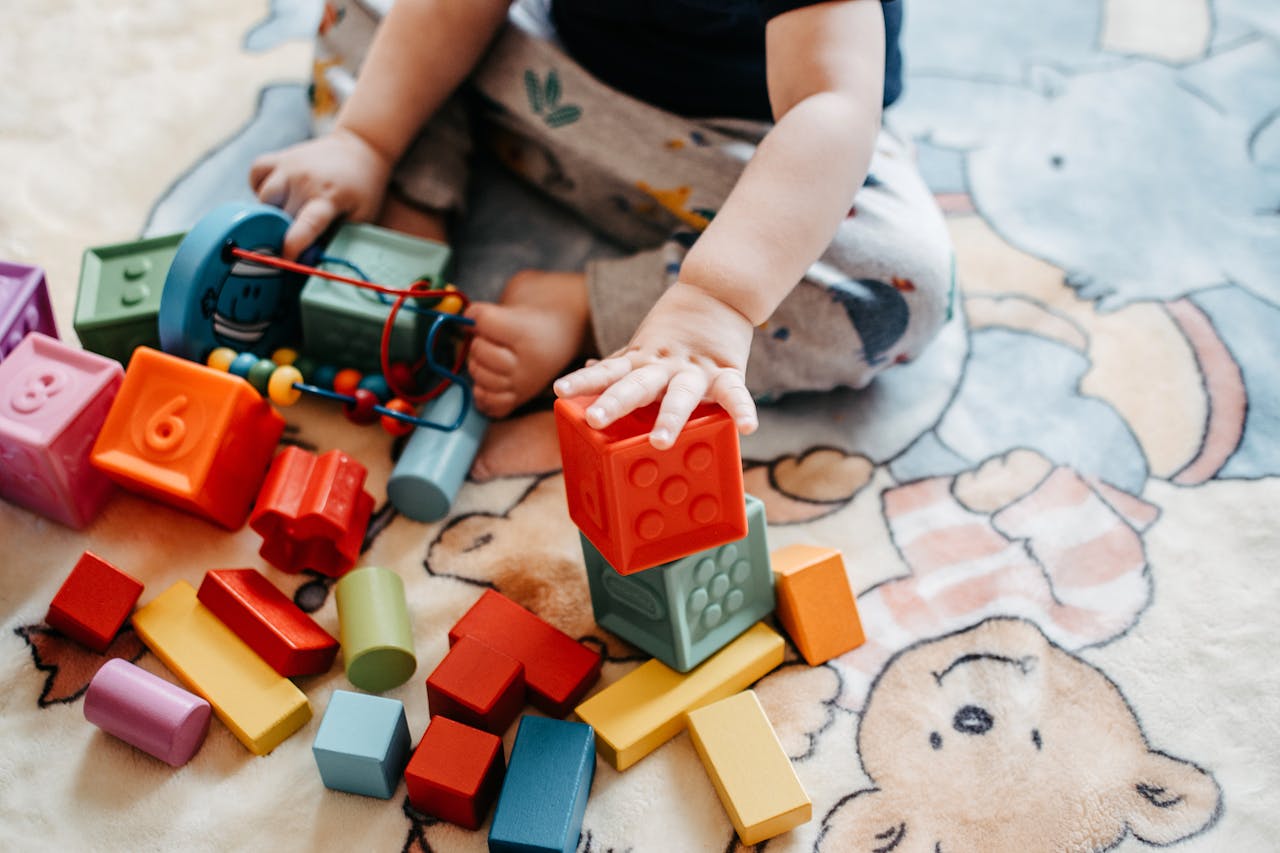
One of the biggest advantages of toddler classes is the opportunity for children to interact with others their age. Through play and shared activities, young children begin learning social skills such as sharing, cooperation, empathy and patience.
As toddlers spend time with both peers and adults outside the family environment, they begin to develop a stronger sense of identity. They notice similarities and differences between themselves and others and start experimenting with new behaviours. For example, when a child sees another toddler enthusiastically joining in with a song or movement activity, they may feel encouraged to try it themselves.
Early socialisation is particularly important in today’s digital world, where screens can sometimes replace face-to-face interaction. Being around other children helps toddlers learn to recognise emotions, understand the impact of their actions, and develop kindness and empathy toward others.
Language Development
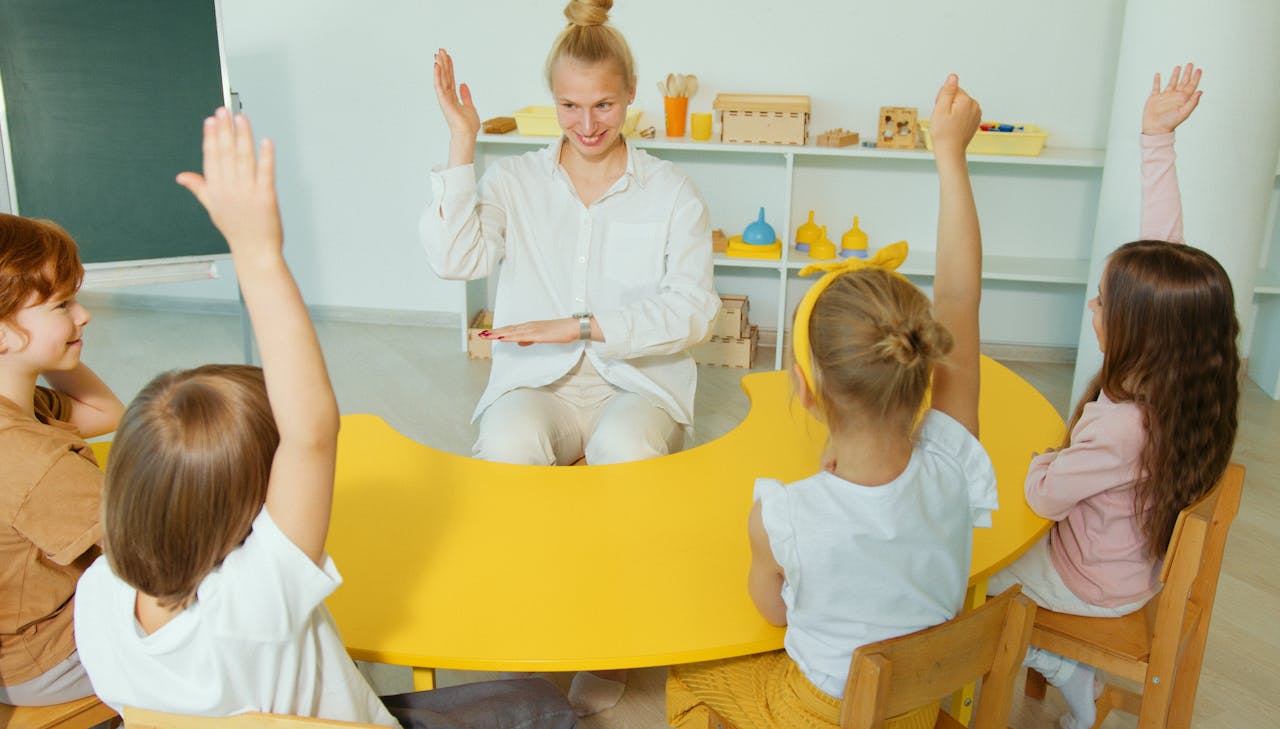
Many toddler classes rely heavily on songs, rhymes and repeated routines and there is a good reason for this. Music and repetition are powerful tools for building language skills in young children.
Catchy songs and transition chants help toddlers recognise patterns in language and associate words with actions. Even if children cannot immediately repeat the words, their brains are absorbing vocabulary and learning how language works in context.
Exposure to different languages and cultures can also play a positive role in development. Living in a diverse and international community like Phuket means many children grow up hearing multiple languages. Research consistently shows that early exposure to additional languages can strengthen cognitive development and improve long-term language learning abilities.
During the early years, a child’s brain forms an enormous number of connections between neurons. These connections strengthen through experience, interaction and learning. Activities such as music, conversation and storytelling help build these connections and support healthy brain development.
Building Self Confidence
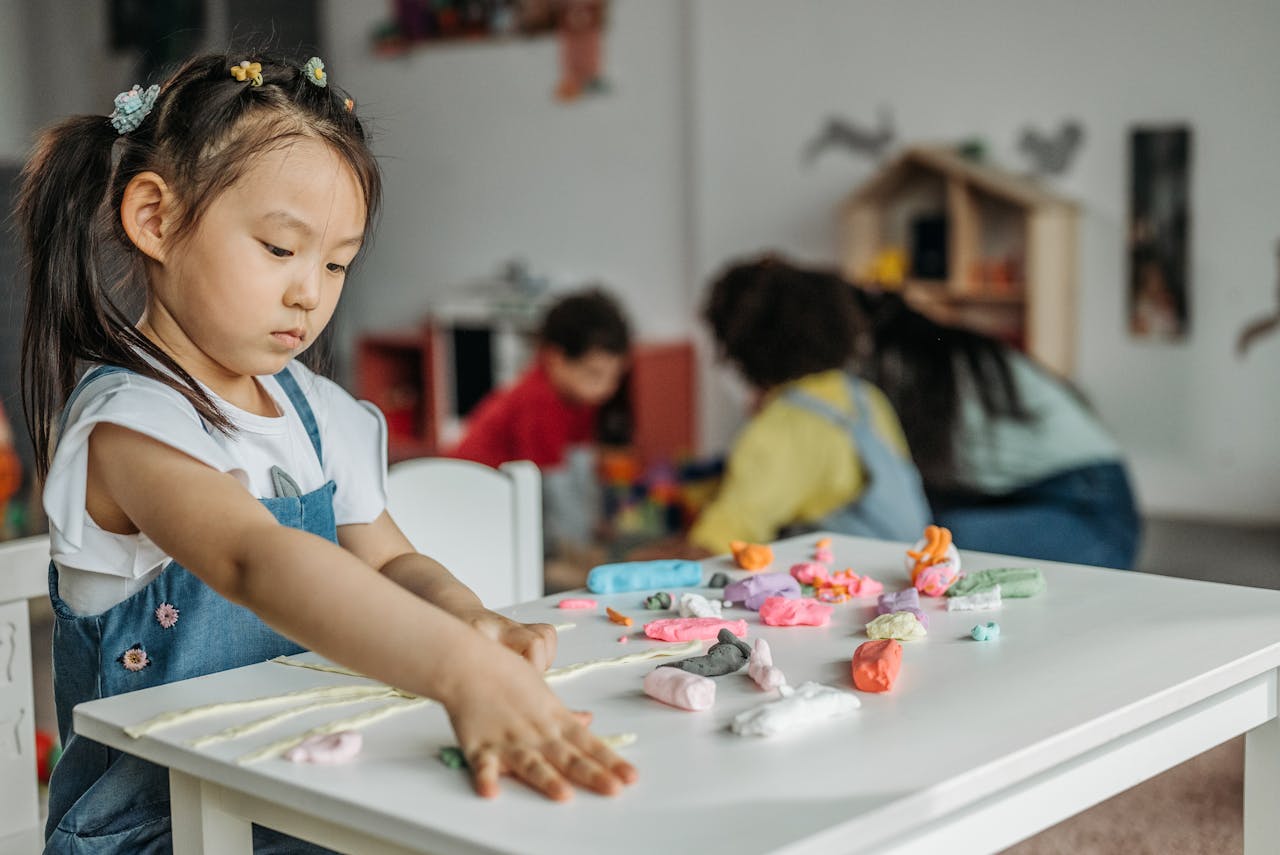
Parents may notice that young children often want to hear the same story or watch the same song repeatedly. While this may feel repetitive for adults, it plays an important role in building confidence.
When toddlers recognise familiar words, actions or storylines, they experience the satisfaction of predicting what happens next. For example, knowing the next line in a favourite story or anticipating the next movement in a song gives children a sense of accomplishment.
Toddler classes often use consistent routines, repeated songs and familiar storytelling structures for this reason. These patterns help children feel secure while encouraging them to participate more confidently in activities.
Strengthening the Parent-Child Bond
Parenting can be busy and demanding. Work, household responsibilities and everyday errands often mean that parents feel like they are constantly multitasking while caring for their children.
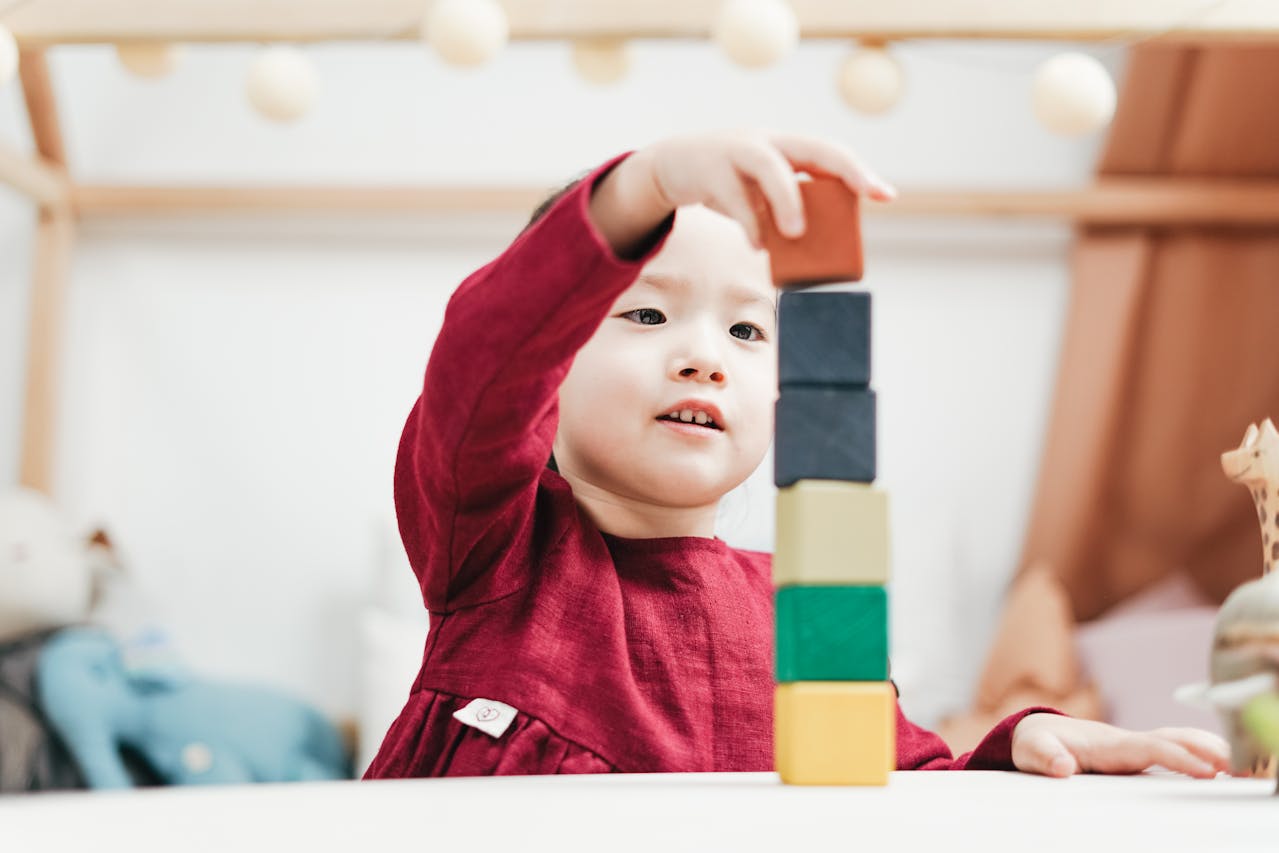
Toddler classes provide a valuable opportunity to slow down and spend dedicated time together. Even an hour of focused play, music or creative activity without distractions can strengthen the bond between parent and child.
Young children love sharing experiences with their parents whether it’s proudly showing a drawing they made or participating together in a song or game. These moments help parents better understand their child’s interests, personality and growing abilities.
Before long, toddlers will move on to nursery and school life. Making the most of these early shared experiences can create meaningful memories and support healthy development along the way.