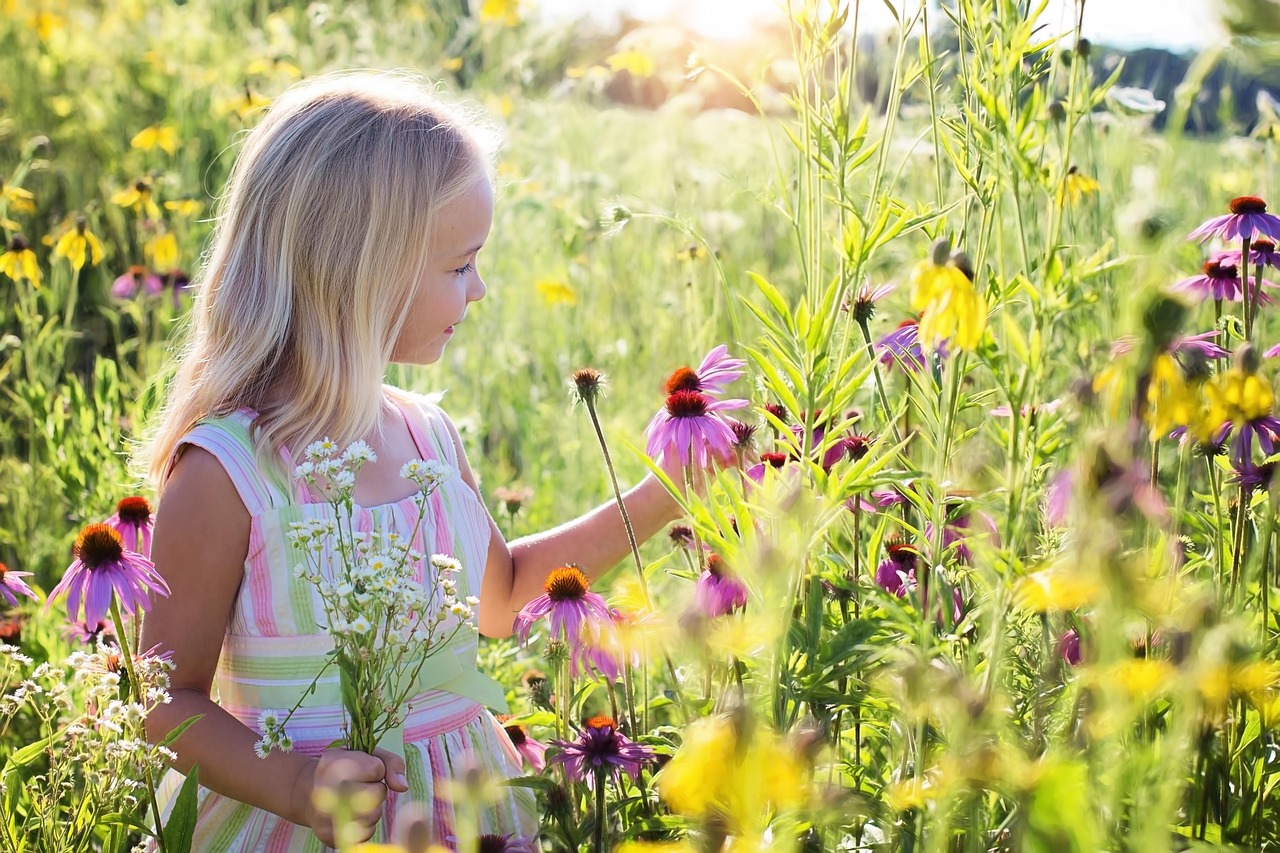

Forest schooling places children in nature and uses the outdoors as the classroom. It is an alternative style of education where learning is guided by exploration and experience rather than targets or tests. Instead of sitting at desks, children spend time in forests, gardens, beaches or other natural areas. Lessons are shaped by what they find and how they respond, giving them more control over their own learning.
Research shows that time outside supports early childhood development. Regular contact with nature helps children build confidence, learn to solve problems, take measured risks and develop resilience. It also supports emotional well-being and reduces stress, which is especially important in the early years. With Phuket’s rich natural environment, from jungle trails to coastal areas, the island provides an ideal setting for this approach to education.
What Will My Child Learn?
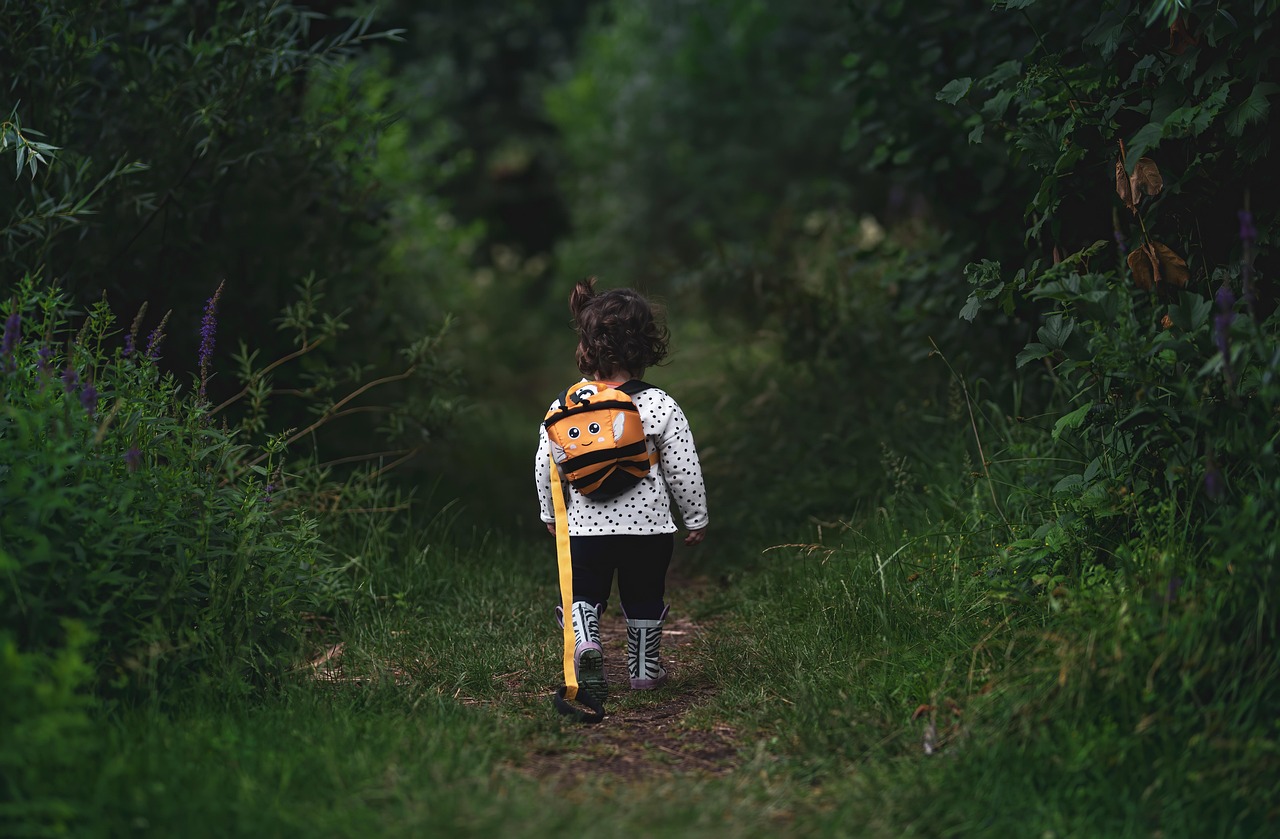
Children in forest schools spend much of their time outdoors in woodland or natural areas. Learning is practical and hands on. Activities may include den building, sensory play, exploring plants and animals, making fires, simple cooking and using tools safely. These experiences are designed to build self-esteem and independence. Teachers act as guides rather than directors, supporting children to solve problems and work together.
What Skills Will My Child Develop?
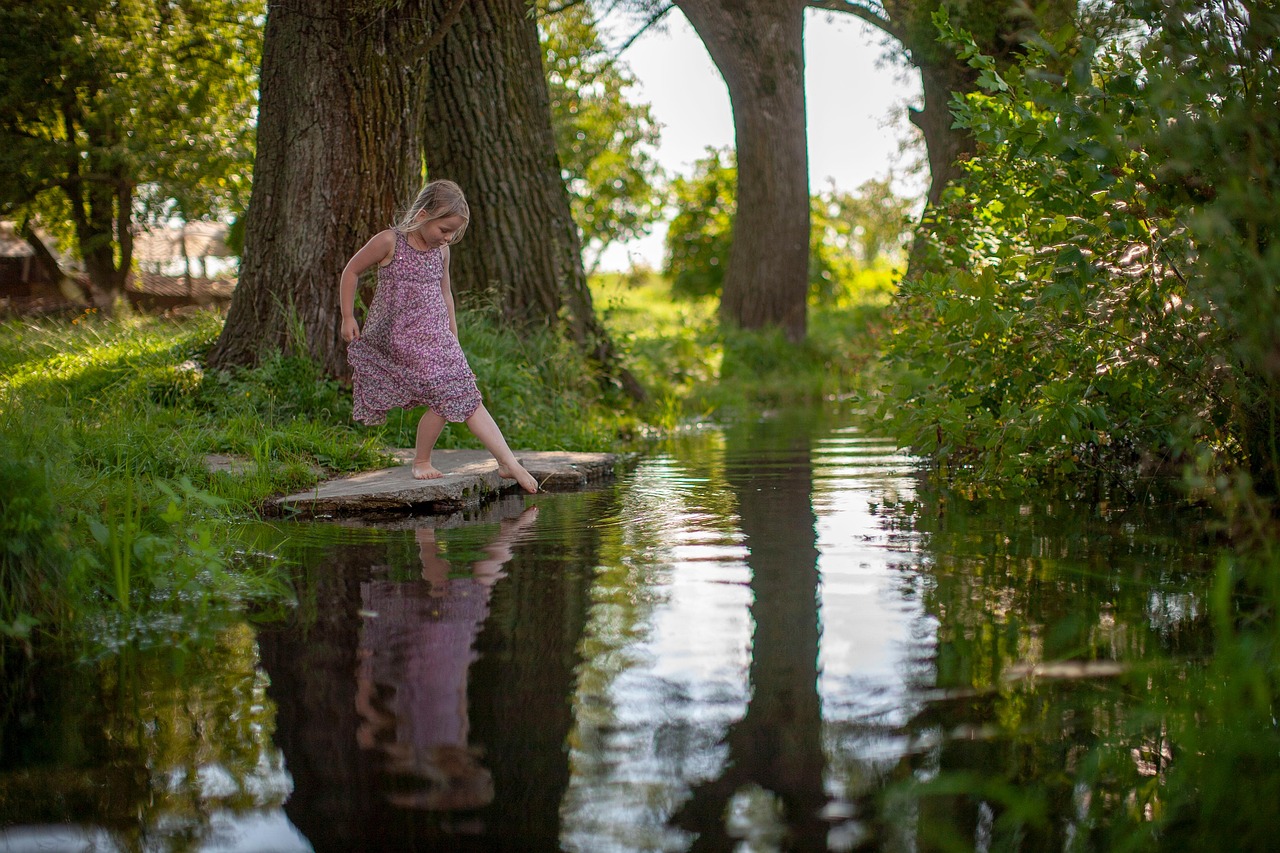
The method does not try to remove risks. Instead, children learn to judge them and make safe decisions. This builds confidence and decision-making skills. Being active outdoors also encourages exercise to become part of daily life. Exposure to changing seasons and weather helps children develop resilience and understand their role in protecting the environment.
Play is child-led and allows space for creativity, communication and leadership. Children practise cooperation through group projects and storytelling. They also learn about ecosystems, food chains and the balance of nature. In Phuket this might mean exploring jungle trails, streams or coastal areas.
Forest Schools in Phuket
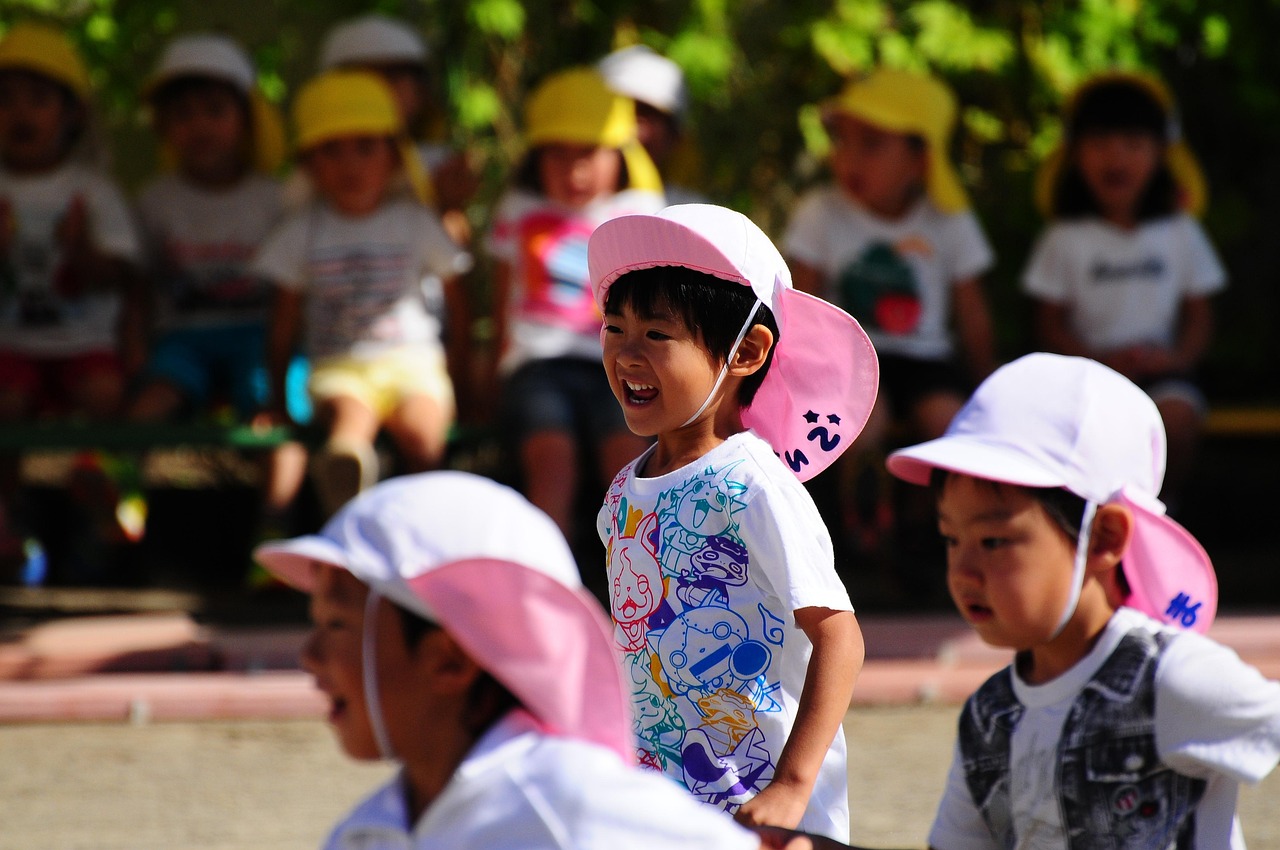
Forest schools vary by country and community. A Thai forest school will look different to one in Europe or Australia. Local culture, climate and environment shape the programme. In Phuket, schools such as The Oak Educational Centre in Kamala and outdoor learning programmes at UWC Thailand in Thalang show how this approach is being adapted for the island.
Why Choose Forest Schooling?
For parents looking for education that limits screen time and supports a connection with nature, forest schooling can be a strong choice. It offers children a different way to learn, rooted in the outdoors and focused on growth of character as much as academic skills.