
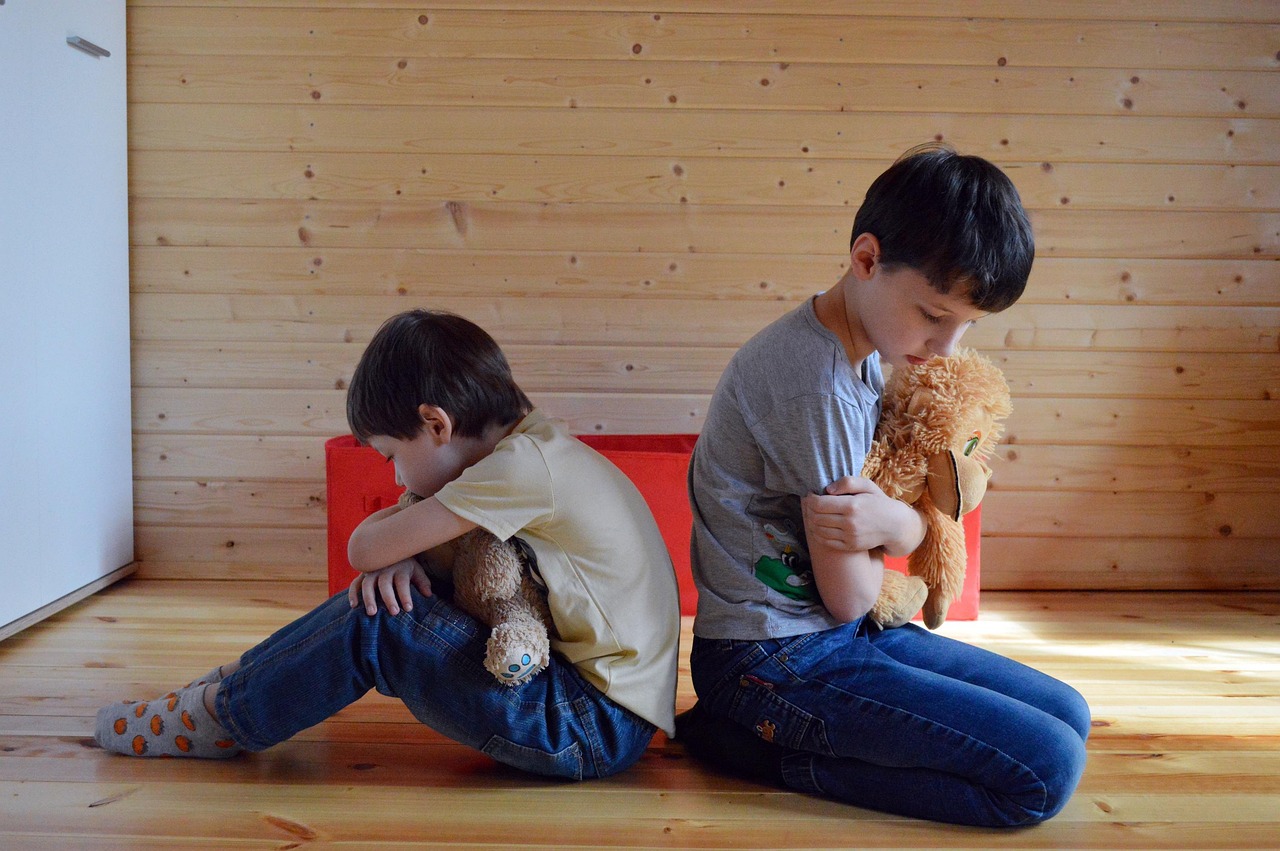
Emotions are a normal part of childhood. From toddler tantrums to tears over friendships, frustration with homework, or anxiety about new experiences, children are still learning how to understand and manage what they feel. Emotional regulation is not something children naturally master on their own. It is a skill that develops over time with support, patience, and guidance from trusted adults.
Helping your child regulate their emotions does not mean stopping them from feeling upset, angry, or frustrated. Instead, it means teaching them healthy ways to recognise, express, and work through those feelings.
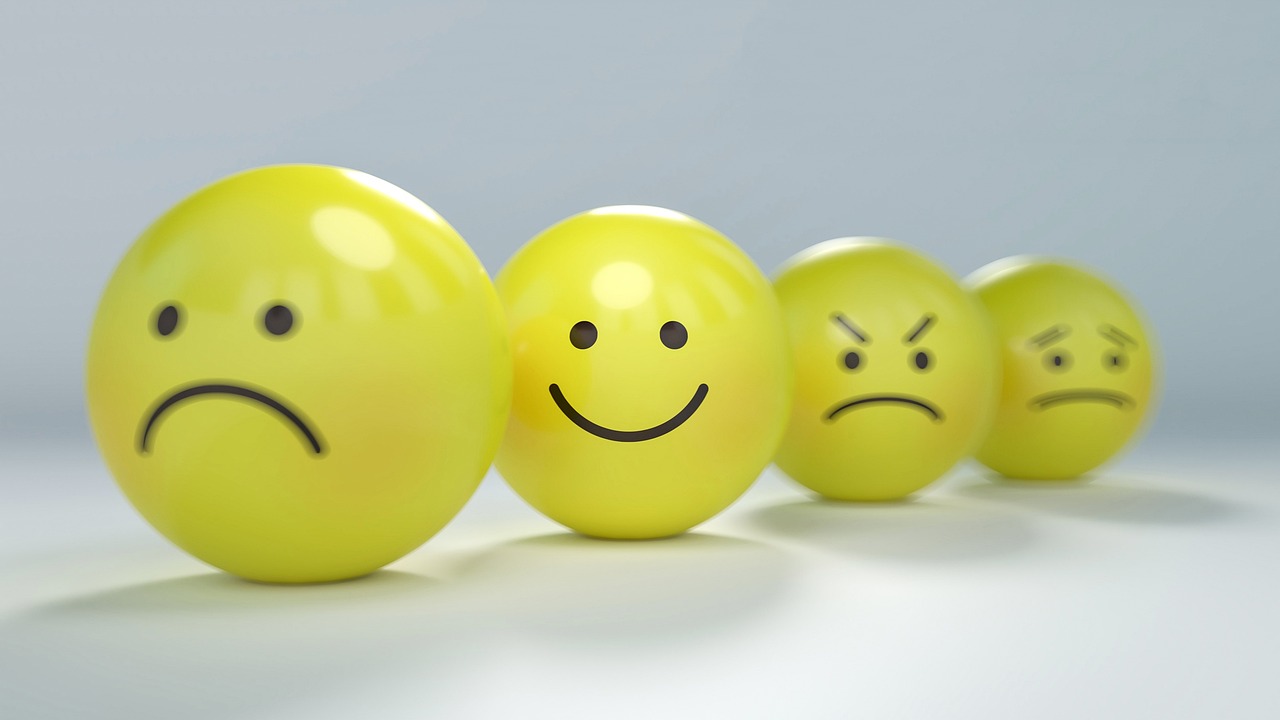
Start by Naming Emotions
Young children often feel emotions before they fully understand what those emotions are. Helping them identify what they are feeling is the first step toward emotional regulation.
Simple phrases like “You seem frustrated”, “Are you feeling disappointed?” or “It looks like you’re feeling nervous” can help children connect emotions with words. Over time, this teaches them to better recognise what is happening internally instead of reacting purely through behaviour.
When children can name their feelings, they are more likely to communicate rather than lash out.

Stay Calm During Big Reactions
Children often look to parents to understand how to respond in stressful situations. If a parent reacts with shouting, panic, or anger, a child may mirror that response.
Remaining calm during meltdowns or emotional outbursts helps children feel safe. This does not mean ignoring behaviour, but rather responding with steadiness and reassurance. A calm tone, simple language, and patience can help de-escalate difficult moments.
Children borrow emotional regulation from adults before they learn to build it themselves.

Teach Healthy Ways to Express Feelings
Every child needs safe outlets for emotions. Some children express themselves through talking, while others may need movement, creativity, or quiet space.
Encourage healthy coping tools such as drawing, deep breathing, going for a walk, squeezing a pillow, journaling, or simply taking time to calm down. Teaching these strategies early helps children understand that emotions are normal, but how we respond matters.
Validate Feelings Without Reinforcing Behaviour
It is possible to acknowledge a child’s feelings while still setting boundaries.
For example, saying “I understand you’re angry because your game ended, but throwing toys is not okay” teaches children that emotions are valid, but harmful actions are not.
Validation helps children feel heard and understood, while boundaries create emotional safety and consistency.

Build Emotional Awareness in Everyday Moments
Emotional regulation is not only taught during difficult moments. Everyday conversations can be powerful opportunities.
Talk about feelings after school, during bedtime, or while reading books together. Ask simple questions like “What made you happy today?” or “Was anything frustrating?” This helps children become more aware of emotional patterns and encourages open communication.
Children who feel comfortable discussing emotions often find it easier to manage them.
Model Healthy Emotional Behaviour
Parents are powerful role models. Children notice how adults manage stress, disappointment, and frustration.
If you make a mistake, apologise. If you feel stressed, explain healthy coping strategies such as taking a breath, stepping away, or talking things through. This teaches children that emotions are manageable and that adults experience them too.

Be Patient With the Process
Learning emotional regulation takes time. Younger children, especially toddlers and early primary-aged children, are still developing the brain skills needed for impulse control and self-management.
There will be setbacks, meltdowns, and repeated lessons. What matters most is consistency, connection, and support.
Final Thoughts
Helping your child regulate their emotions is one of the most valuable life skills you can teach. When children learn to understand their feelings, express them safely, and recover from difficult moments, they build resilience, confidence, and stronger relationships.
For families in Phuket, whether dealing with school stress, social challenges, or everyday childhood frustrations, emotional regulation starts at home with calm guidance, empathy, and patience. Over time, these small daily lessons can help children grow into emotionally healthy and confident individuals.