
Have your kids ever talked about blasting off to Mars, slipping on a white coat to be called “doctor,” or inventing the next life-changing gadget? If so, you’re probably raising a young scientist! Nurturing scientific curiosity really begins at home. Kids are naturally full of questions (so many questions!), and although the endless “whys” can test any parent’s patience, encouraging curiosity about how the world works helps build a strong interest in science.
Research shows that children learn best through questioning, problem-solving, and hands-on exploration. Supporting them in STEM and STEAM can make a huge difference, not just for their future, but for the global workforce, which increasingly depends on people who can thrive in science-based careers.
And here’s something important: women and minorities remain hugely underrepresented in STEM fields, with millions of STEM jobs expected to go unfilled this year. Encouraging young scientific minds early can truly change that.

Science in Our Daily Lives
From toy cars to their favourite TV shows, science is everywhere. A simple school bus ride might seem routine to us, but to a science-minded child it can spark questions about engineering, electricity, or how machines work. Even watching plants “make their food from the sun” introduces mind-blowing ideas about biology and photosynthesis.
And instead of giving straightforward answers, like why the sky is blue, trying turning the question back to them. Ask what they think and build from their ideas. If they aren’t naturally drawn to science, connect it to their passions: the physics behind kicking a football, the engineering inside a motorbike, or the coding behind their favourite mobile games.
But if your child is a natural scientific explorer, now is the perfect time to nurture that passion, you may just be investing in someone who’s going to be earning very well by the time you retire!
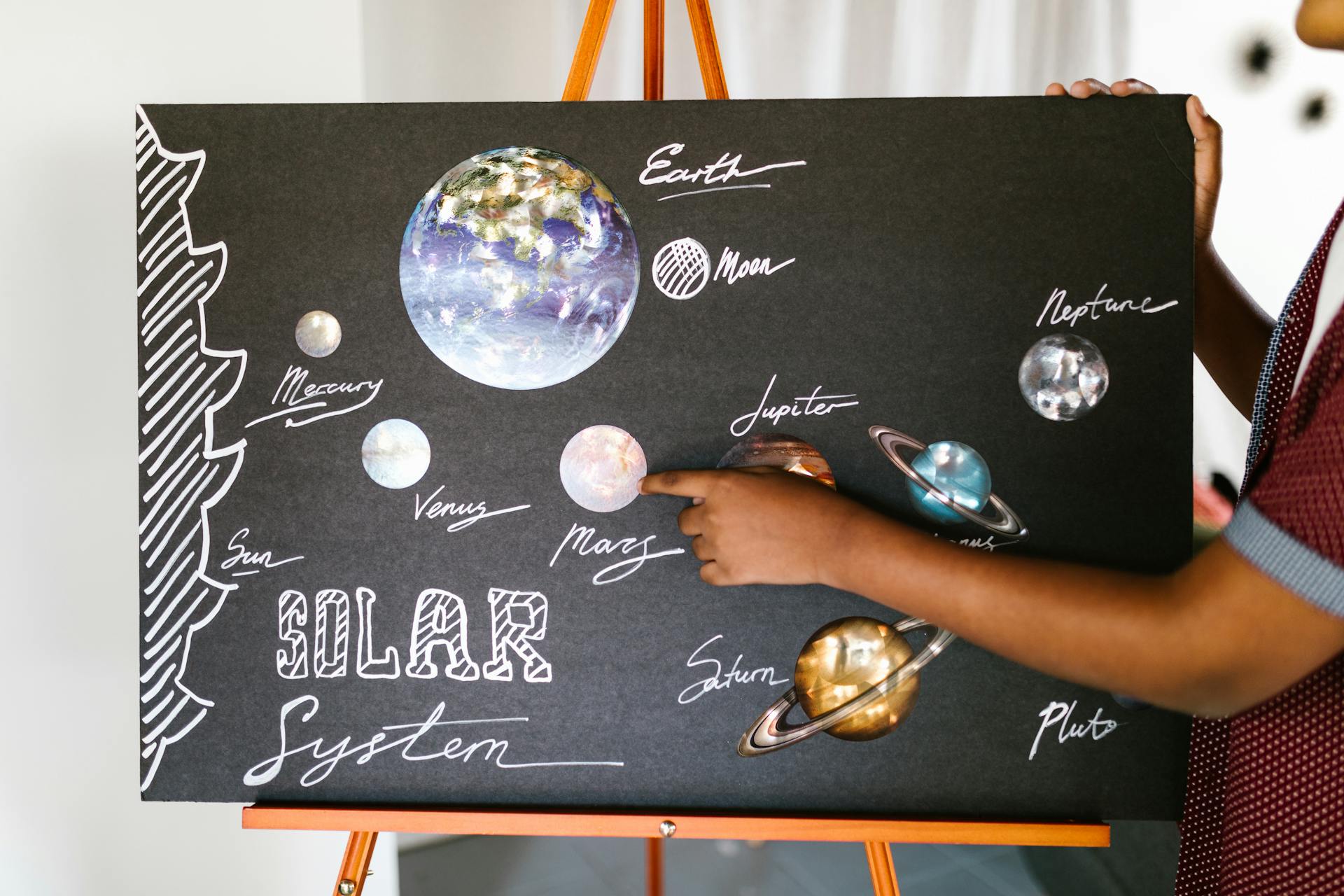
Science Activities and Resources
If you’re wondering how to support a science-loving child, the good news is that there’s an endless supply of activities and resources available, thanks to technology.
National Geographic Kids remains one of the best all-round resources, offering magazines, websites, and TV shows covering everything from animal conservation to ancient civilisations.
The beloved Magic School Bus series is another favourite, with books, videos, and simple hands-on experiments that bring science to life. Ms. Frizzle has inspired young scientists for decades with her wild adventures into bodies, ecosystems, and outer space.
For practical at-home activities, 4-H STEM Lab offers experiments sorted by age, materials, and even a “messy meter”, a lifesaver for parents!
Older kids might enjoy How Stuff Works, a great site that explains everything from engines to earthquakes—perfect for deepening scientific understanding.

Encouraging Young Scientists
Let kids be themselves! Whether they’re into science or sports, supporting their unique interests is what matters most. If they’re showing signs of scientific curiosity, turn it into quality family time with simple DIY science experiments at home.
And here in Thailand, there are plenty of places to inspire budding scientists, from planetariums to discovery museums offering hands-on activities, star-gazing experiences, and even mini archaeological sites.
Encourage scientific thinking by exploring nature together, chatting about environmental issues like plastic in the ocean, or experimenting with plants and garden science. Develop their observation and questioning skills, and celebrate their ideas, even the wild ones!

The Heart of It All: Togetherness
The best encouragement you can give is time spent together. When parents take part in experiments or science-focused activities, kids naturally associate science with fun and connection. Sharing discoveries, asking questions, and learning side by side builds confidence and excitement.
Even if you already know why the tides change or how gravity works, listening to their theories and exploring ideas together shows them that their curiosity matters, and that you’re behind them all the way. That sense of support can make all the difference as they grow into the scientists, thinkers, and innovators of the future.