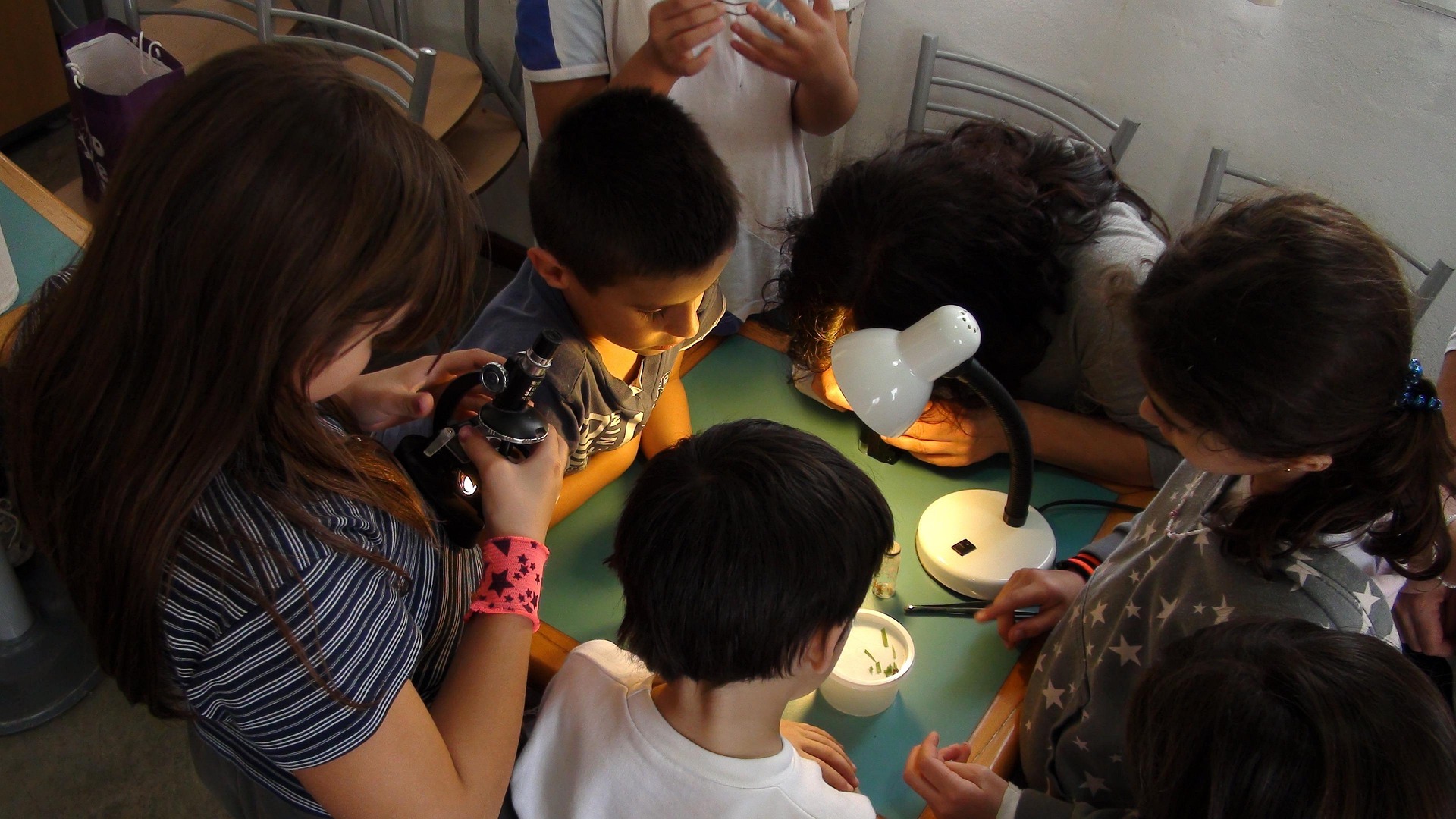
It’s no surprise when a child naturally shows the spark of a young scientist. But for most kids, it’s up to us, parents, teachers, and caregivers, to help nurture a real love and appreciation for science. I’ve heard many parents admit things like, “I wasn’t good at science, so I can’t help you,” or “Just get through the subject; it doesn’t matter unless you want to be a scientist,” and sometimes, even worse, “Girls usually aren’t great at science anyway.” It’s important to remember that kids absorb not only what we do but also what we say. Our words shape how they view learning, including science. One of the easiest ways to encourage them is by showing how many exciting careers are built on science, from future astronauts to junior archaeologists. And honestly, what child wouldn’t be thrilled by the idea of discovering dinosaur fossils?

Children Are Born Curious
Kids are naturally inquisitive; exploring, testing, and discovering is built into who they are. Our job is to notice this curiosity and support it, especially if they show interest in science-related hobbies or future careers.
I still think fondly of how many young learners become completely absorbed in The Magic School Bus thanks to Ms. Frizzle’s wild adventures, messy experiments, and imaginative science lessons. The books and episodes have inspired countless children to explore the natural sciences long before they ever step into a real classroom, often leaving parents and teachers convinced they’re watching a future doctor or physicist in the making.
These kinds of books and shows are brilliant for inspiring curiosity in a fun way. They also offer dozens of hands-on experiments you can try at home. Many parents can relate to the unforgettable chaos of homemade volcanoes, rainy-day slime sessions, or crafting a solar system out of painted foam planets for school. These are the moments kids remember as they grow and they help strengthen their love for science along the way.
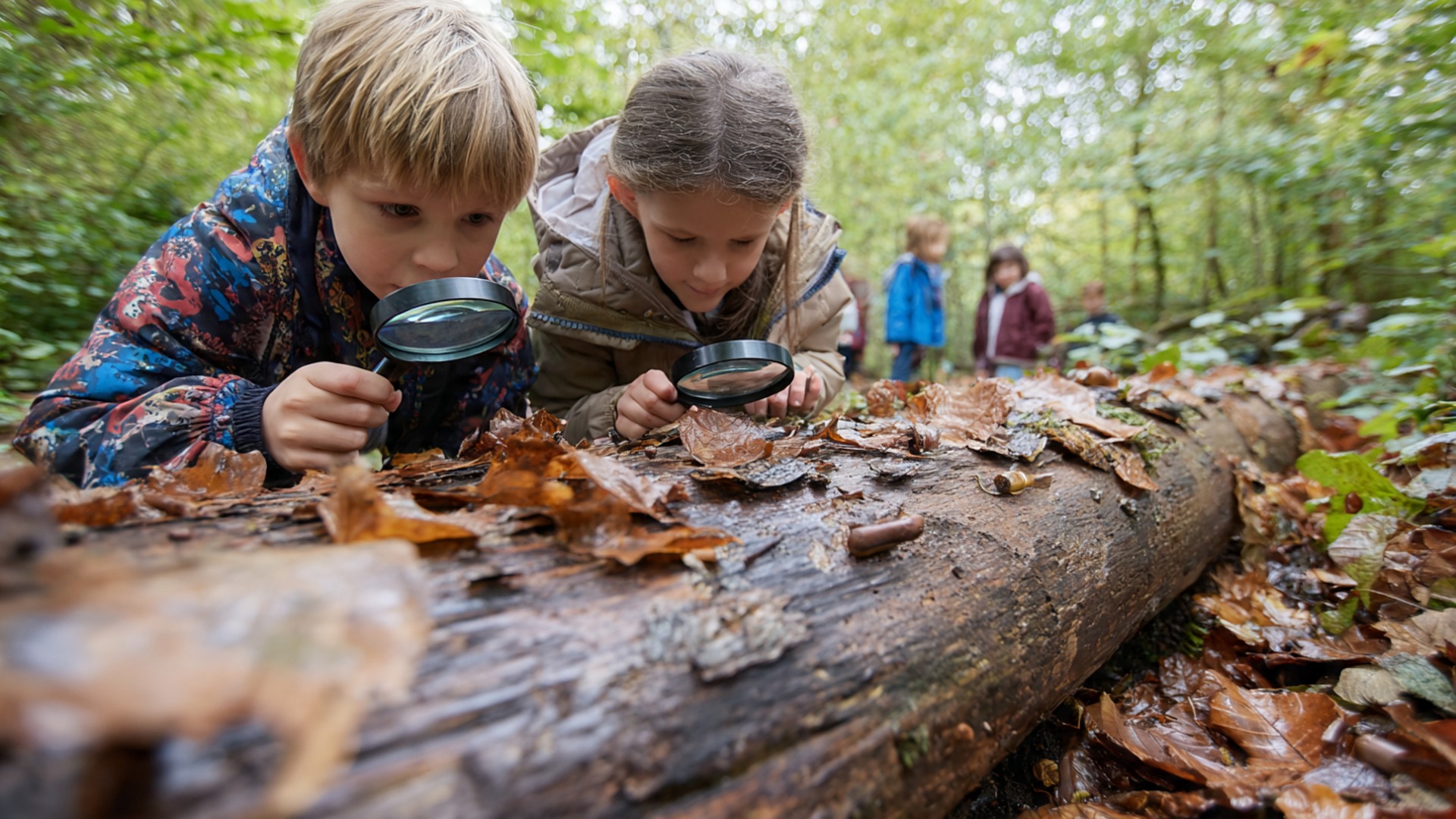
Bring Science Into Everyday Life
Parents who want to take things further can encourage more structured science activities at home whether as after-school fun or to complement what kids are learning in class. These experiments and projects help children see that science isn’t just a subject; it’s exciting, creative, and something they can explore with their own hands.
And for the truly science-obsessed, there’s a world of discovery waiting at science museums, either in person or through virtual tours that allow kids to explore exhibits around the globe.
Spark Their Passion Early
No matter how you choose to inspire your child, it’s important to remember that science is woven throughout their entire education, from early primary years all the way to secondary school. Helping them develop a genuine appreciation (or at least a friendly relationship!) with science will support them throughout their learning journey.
Encouragement, curiosity, and a sense of wonder those are the ingredients that turn everyday kids into lifelong science lovers.