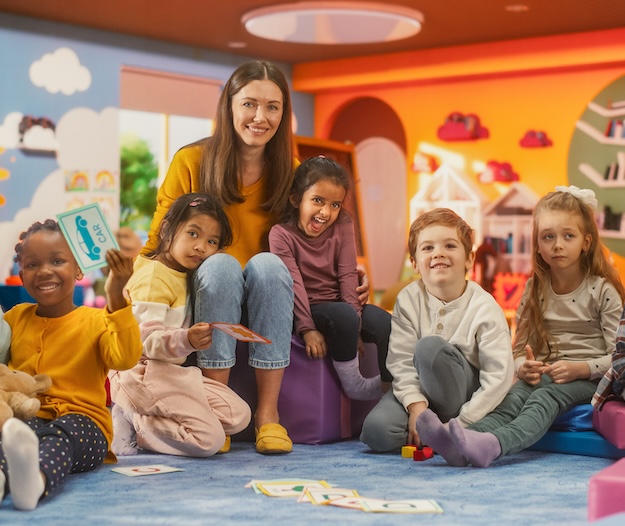
Getting children to talk about their emotions can be extremely difficult. Many don’t know how to express what they’re feeling — or may not even understand it themselves. Art therapy offers a non-verbal alternative that helps children communicate without the pressure of traditional talk therapy.
At first, some kids may dismiss it as childish, especially when they expect therapy to look like the serious portrayals they see in media. But that’s exactly why it works. By creating a safe, creative environment, art therapy encourages expression without the stress of having to articulate painful or confusing emotions.
What Is Art Therapy?
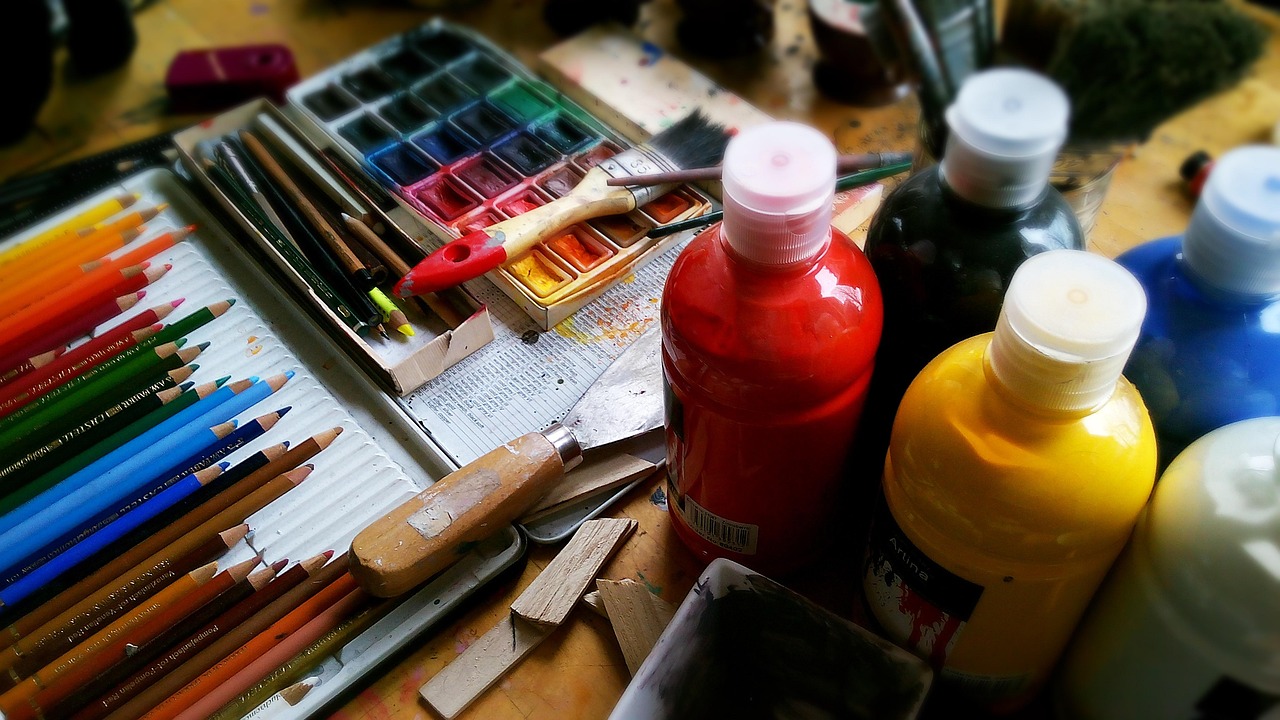
Art therapy uses the creative process to improve emotional, physical, and psychological well-being. It can support behaviour regulation, boost self-esteem, and reduce stress. The practice doesn’t require any artistic skill — even simple activities like finger painting or playing with clay can be effective.
The method became formalised in the 1940s, when clinicians noticed that patients with mental illness often used art to express what they couldn’t say aloud. Since then, art therapy has become a valuable tool for both assessment and healing.
How It Works
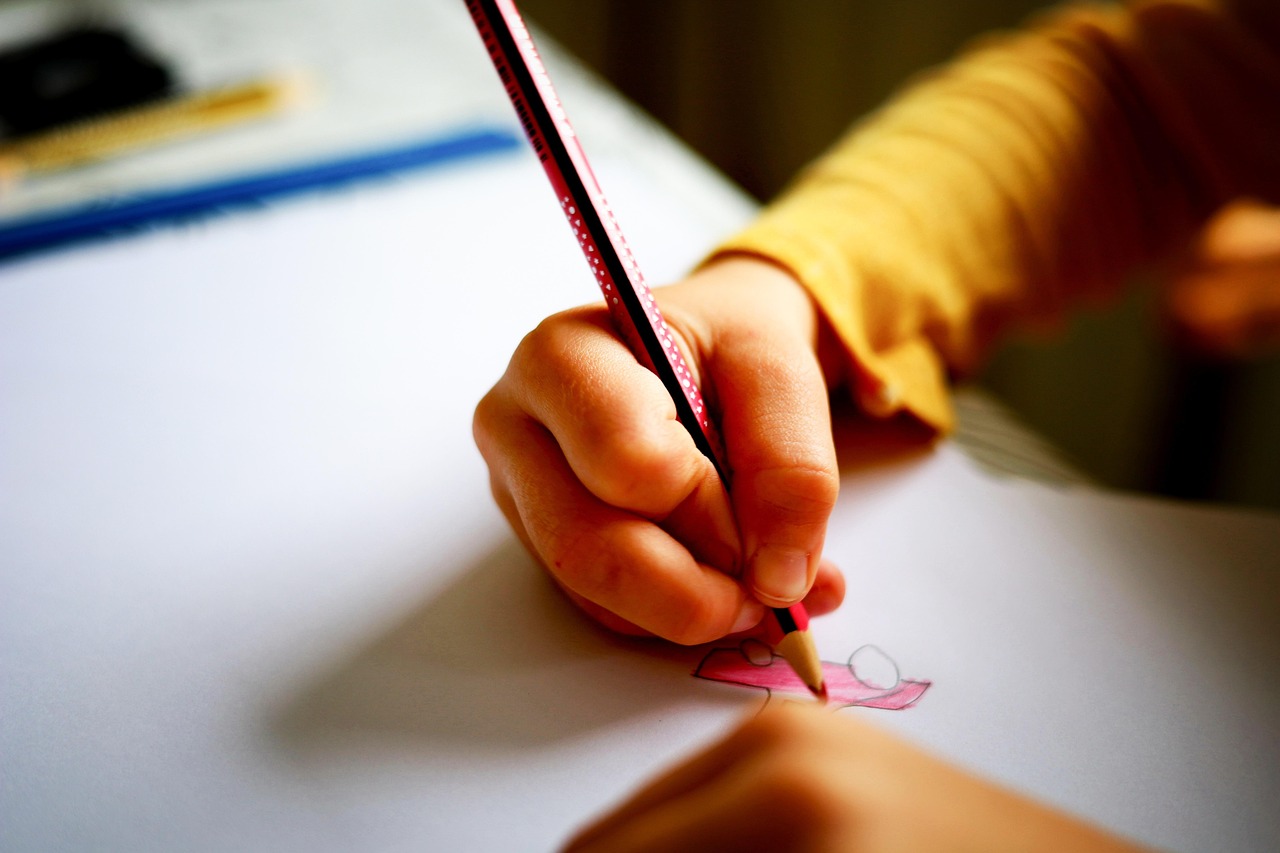
Combining principles of art and psychology, art therapy invites patients to express their emotions through visual media. Younger children often respond to tactile activities like clay or paint, while older teens may use more detailed work as an emotional outlet. Therapists trained in interpreting symbolism and metaphor can then use the artwork to explore deeper psychological issues.
Studies have shown that art therapy can help adolescents cope with anxiety, depression, and even addiction. Encouraging emotional regulation through creative activity can support cognitive improvements and build long-term coping skills.
A Gradual Process
As children become more comfortable expressing themselves creatively, therapists are able to identify underlying themes in their work, sometimes revealing issues that the child hasn’t been able to articulate. Over time, clients begin to reflect on their own work and recognise patterns in how they respond emotionally to different experiences.
Common Art Therapy Techniques
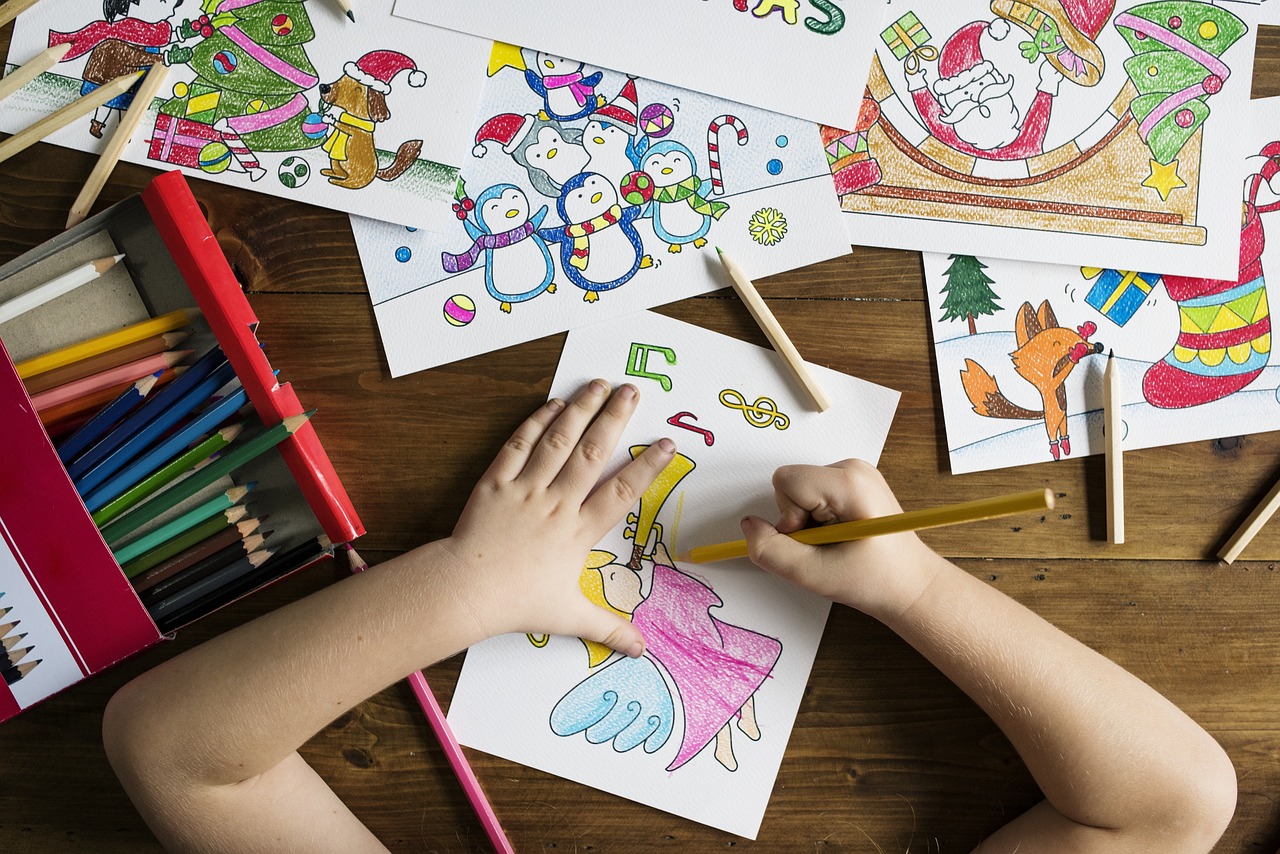
Art therapy isn’t about producing masterpieces — it’s about the process. Techniques include:
- Drawing or colouring in sketchbooks
- Painting
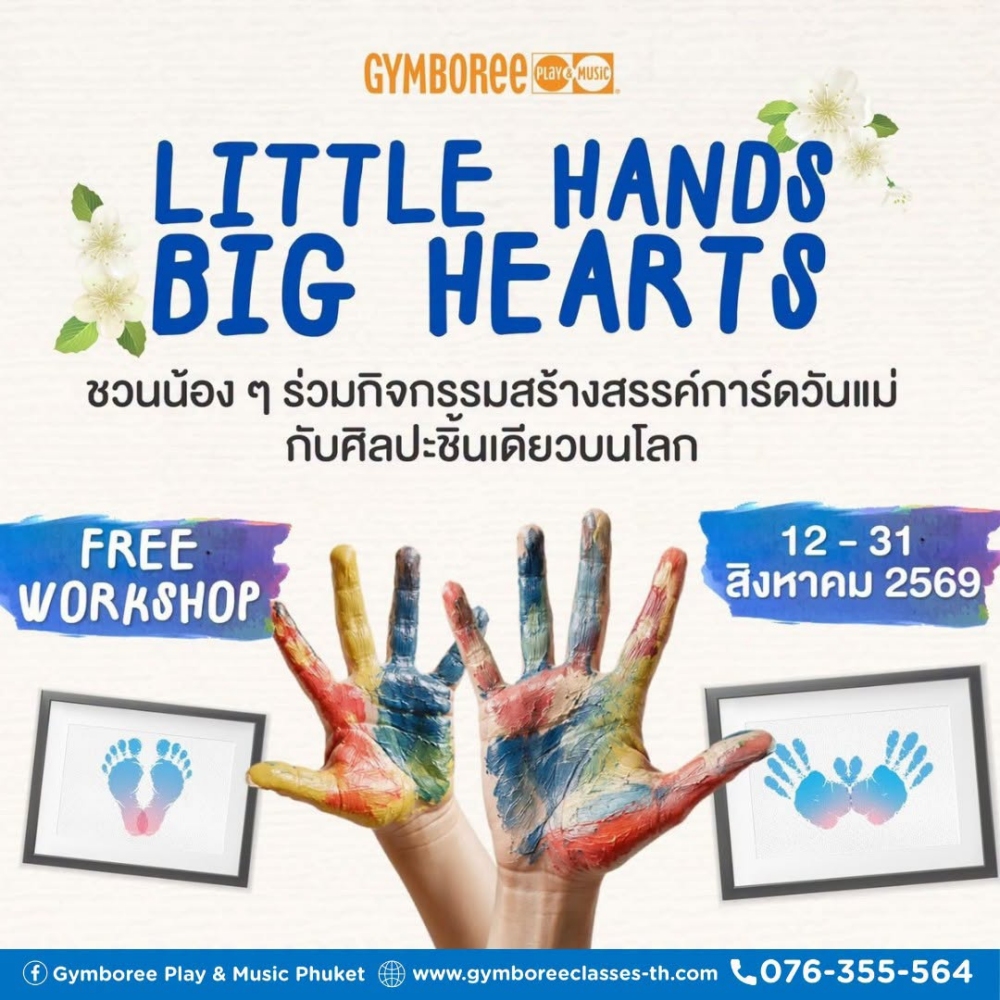
- Finger painting
- Working with clay (sculpting or using a wheel)
- Photography
- Collage-making, vision boards, or mind maps
- Doodling and scribbling
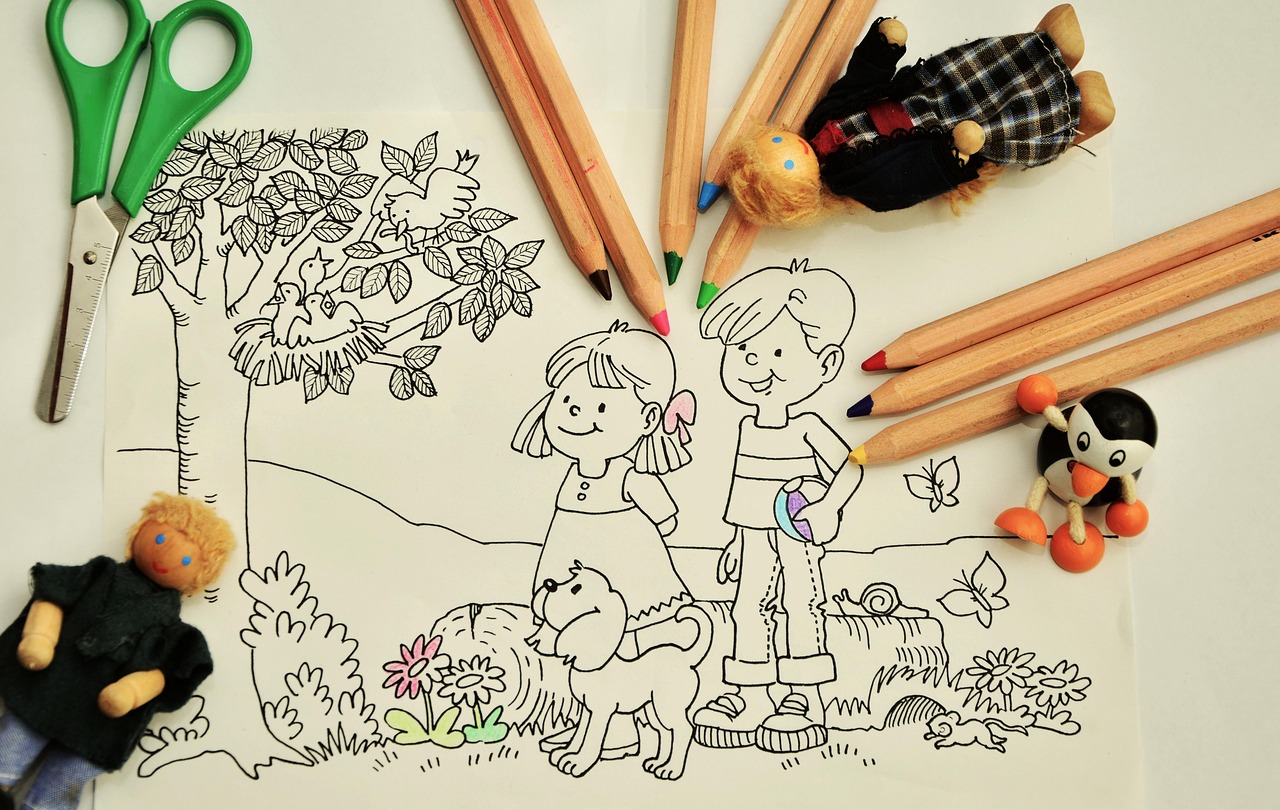
Colouring, in particular, has become a popular self-regulation tool for teens, especially before or after exams. Bookstores now stock a wide range of detailed colouring books aimed at stress relief.
A Creative Path to Mental Wellbeing
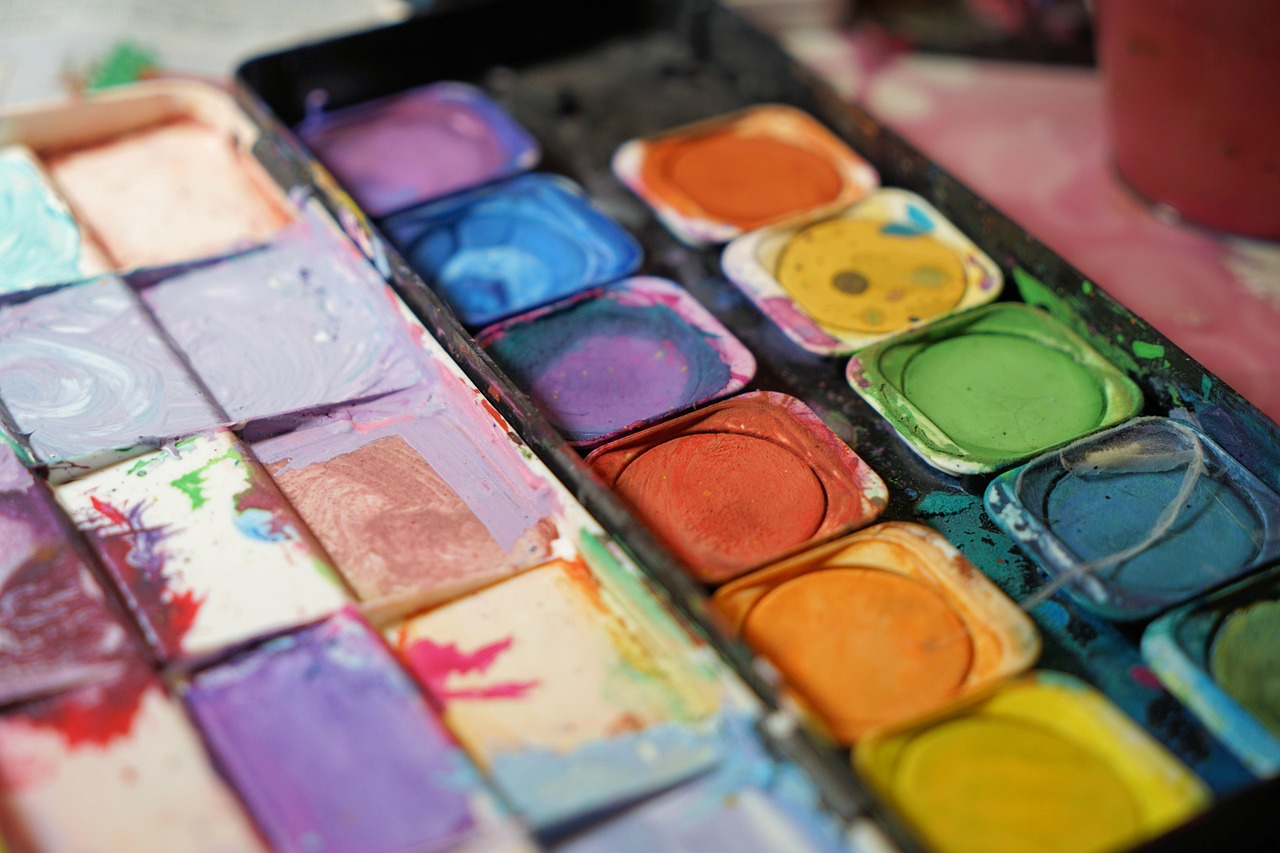
Art therapy offers a gentle and flexible alternative to traditional counselling. Whether it’s used for psychotherapy, rehabilitation, or emotional exploration, its rise reflects a broader understanding of how creativity supports healing, especially for children and teens still learning how to navigate their inner worlds.