The Power of a Simple Thank You
Cast your mind back to when you were a child. Were thank you notes part of growing up in your household? And if they were, did you rush to write them, or avoid them at all costs?
Looking back on childhood, many adults can remember being reminded, sometimes repeatedly, to say thank you. For some families, that reminder went beyond spoken words and extended to handwritten notes, carefully written and sent shortly after a gift arrived.
In earlier generations, acknowledging a present properly was considered essential. A missing thank you note often prompted a gentle follow-up from a relative, not because the gift itself mattered, but because appreciation did. While many children viewed the task as tedious at the time, those early habits often became meaningful later in life. Writing thank you notes encourages reflection, helping children recognise the thought, effort, and care behind a gift rather than focusing only on what was received.
When Christmas Becomes About “Stuff”
The festive season can easily shift its focus toward presents. Parents and relatives may worry about finding the perfect gift or feel pressure to compete with what others are giving. On Christmas morning, reactions can range from pure excitement to polite acceptance, or even comparisons with what someone else received.
Once the wrapping paper is cleared away and photos are shared online, many parents face a familiar question: should children be encouraged or required to say thank you?
Expressing gratitude, in any form, is a basic social skill. Thanking someone for a gift, a meal, or an act of kindness is part of learning good manners. However, in a fast-paced digital world, appreciation is often reduced to a quick message or emoji. While digital responses are relevant, they don’t always convey genuine thoughtfulness. A handwritten note takes time and intention, and children learn its value most clearly when adults model that behaviour themselves.
Teaching Gratitude as a Life Skill
Writing thank you notes is rarely a child’s favourite activity, and it often comes with complaints or reluctance. Yet over time, the impact becomes clear. Children who practise gratitude through writing often stand out for their thoughtfulness, particularly in educational settings and later in the workplace.
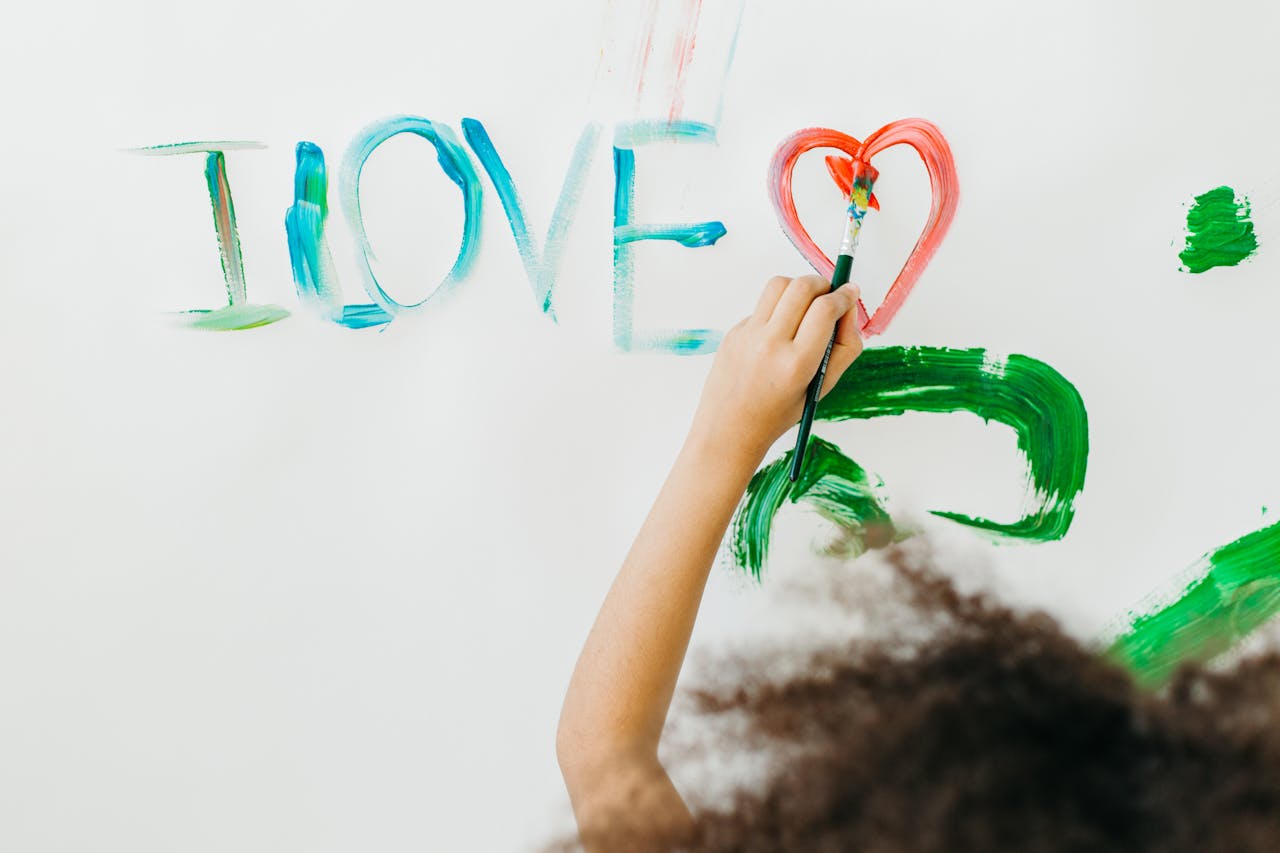
Gratitude is more than good manners, it is a skill that helps children communicate respectfully and build strong relationships. To make the process more engaging, children can be given a sense of ownership. Choosing or decorating their own cards, adding drawings or stickers, and using their own words allows them to express appreciation in a way that feels authentic.
For older children and teenagers, keeping things simple can be effective. A short handwritten note or a personalised printed card is enough. The length of the message matters far less than the act itself. The key lesson is that gratitude requires effort, even when it’s brief.

Why Gratitude Truly Matters
Teaching gratitude and consistently demonstrating it is one of the most valuable lessons parents can pass on. Research shows that children and teenagers who regularly practise gratitude tend to be happier, more engaged at school, and more satisfied with their relationships. They are also less focused on material possessions and more inclined to support others emotionally.
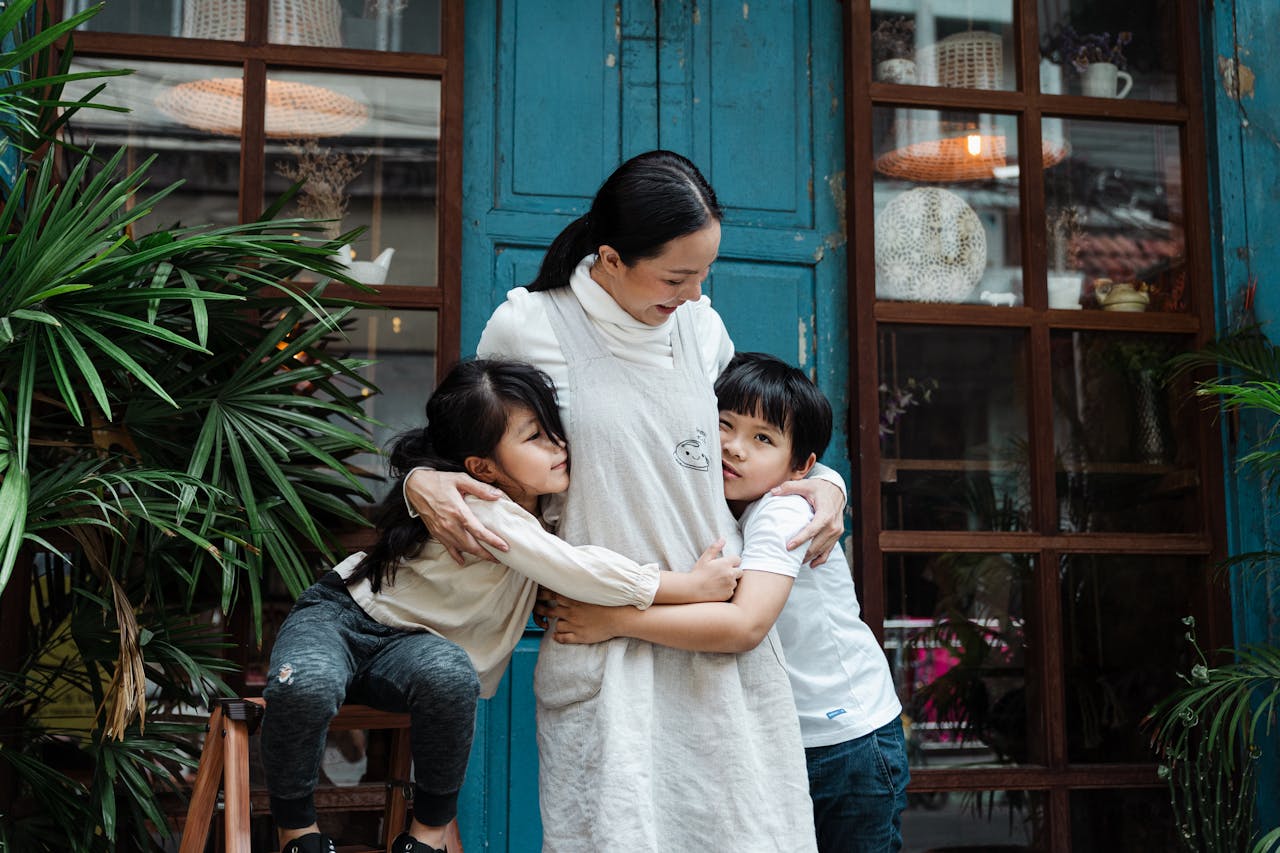
Gratitude develops through example rather than instruction. Statements such as “You should be grateful for…” often feel like obligation, whereas “I’m grateful for…” encourages reflection and understanding. Children are far more likely to adopt gratitude as a habit when they see it practised naturally in everyday life.
As the New Year begins, it offers a timely opportunity to slow down, send thank you notes to friends and relatives, and talk openly with children about appreciation. A simple thank you may seem small, but it can shape a child’s outlook long after the festive season has passed.