
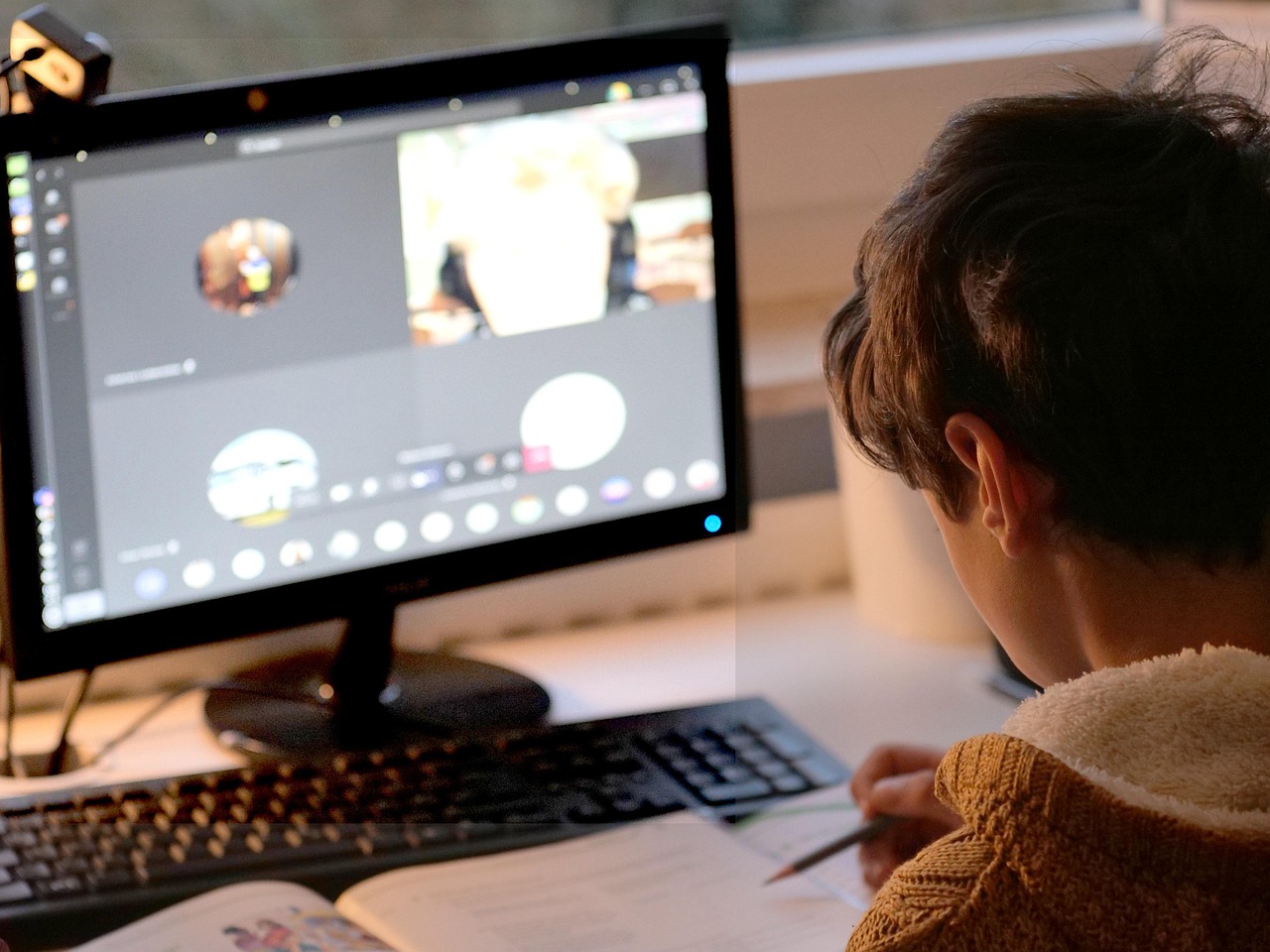
New technology certainly brings plenty of advantages, but it also creates fresh concerns for parents today. How do we protect our children from cyberbullying? Should screen time be strictly limited? Could the digital footprint or what some now call “digital tattoos” they leave behind impact them later in life? These questions are part of a bigger debate: is it ethically acceptable to monitor your children online? When is it justified, and what constitutes a good reason, safeguarding their online safety, protecting their privacy, or their physical security? Or should parents simply respect their children’s online privacy at all costs?

The Spying Debate
The question of online monitoring has sparked heated discussion in parenting circles and online forums. Here, we aim to explore both sides.
During a recent online safety workshop for parents in Phuket, the speaker noted that when many of us were children, we had far more freedom to walk or cycle to school on our own, a practice now often referred to as Free Range Parenting. Danah Boyd, Principal Researcher at Microsoft and author of It’s Complicated: The Social Lives of Networked Teens, describes a “culture of fear” that drives modern parents to constantly monitor their children.
“We’re afraid of all the ways our children might be harmed,” she says. “And we’re afraid of all the things that children might do to disrupt the status quo.”
In contrast, some parents take a more hands-off approach. Blogger Katie Roiphe has written about letting her nine-year-old daughter explore the internet independently, emphasising that children benefit from opportunities to make decisions, weigh risks, and build independent judgment. Essentially, it’s preparation for life on their own.
But the risks are real. Research in the Journal of Adolescent Health shows that 26% of online sexual offenders use social networks to find out children’s locations or daily routines. According to the National Centre for Missing and Exploited Children, one in seven children will receive some form of sexual solicitation online, and over half are asked to send a picture of themselves. These figures underline the very real dangers that online spaces pose to anyone under 17.
Russ Brown, former supervisor of the FBI Cyber Crimes Division, warned in 2012:
“If you’re empowering your child at the age of twelve to be on an equal level with an adult online, you aren’t really parenting anymore. Technically, they aren’t mature enough to handle that responsibility.”
Children aren’t naïve, but they do lack the life experience adults have in judging the intentions of others. Social media and online gaming have amplified risks, and parents often wonder whether restricting access is the safest choice or if there’s a better approach.
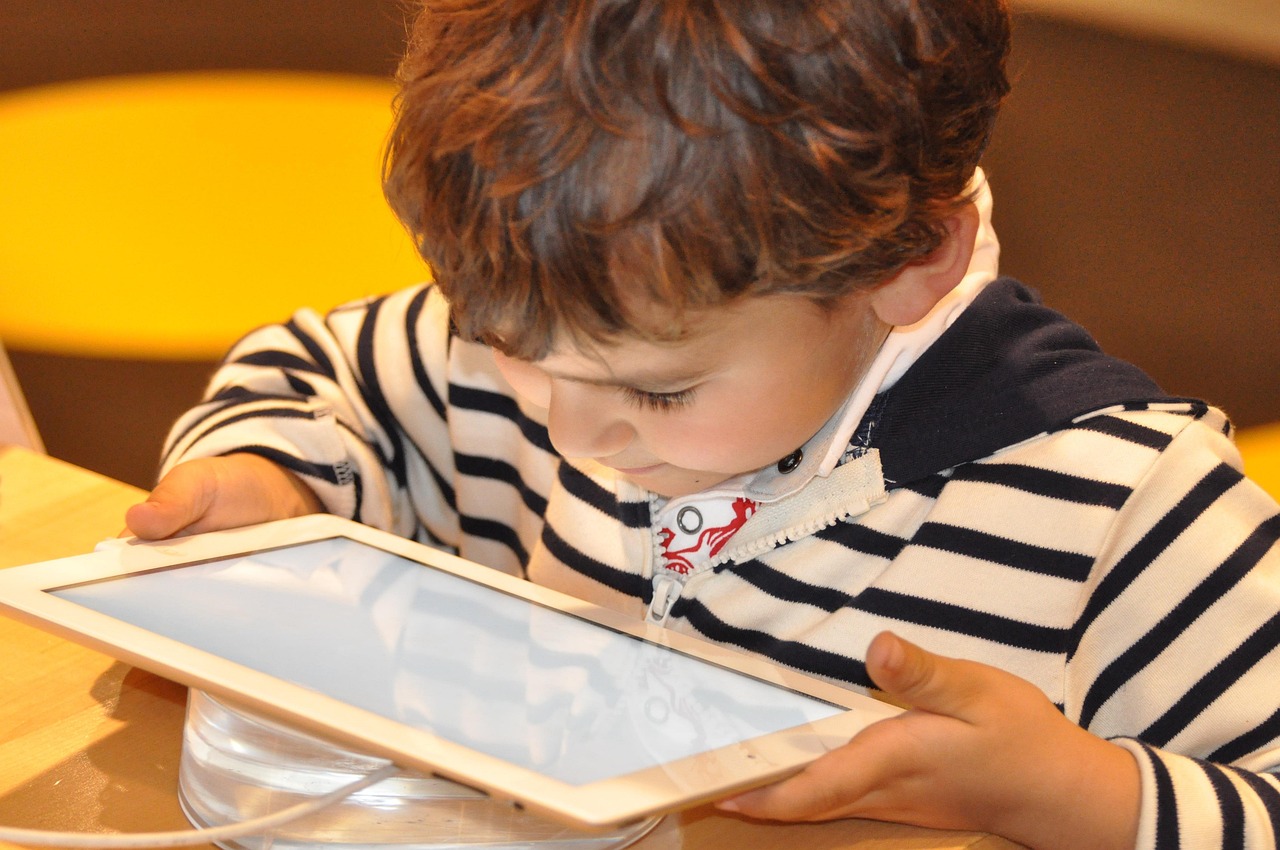
Read the Statements Below & Decide Where You Stand on the Digital Divide
A) Children are capable of more than we often credit them for. Educating them about risks, rather than spying, demonstrates respect. A relationship based on trust is the best protection online.
A) Responsible parents may also use monitoring tools to keep track of apps, social media use, and messaging contacts. This isn’t about prying, but rather recognising red flags that experienced adults can identify. Failing to do so can be irresponsible.
B) Whether a parent chooses close monitoring depends on the child’s personality and behaviour.
B) Parents have a right to monitor children. Freedom and privacy should increase as children demonstrate maturity, and be reduced if they act irresponsibly.
C) Instead of strict rules that children may bypass, focus on building trust. Teach them about online dangers and make them feel safe discussing them.
C) Children need to understand that online activity is never truly private. The internet is the largest public space in the world. Young people often push boundaries—online more than offline.
D) Teenagers should be treated as partners in learning online responsibility. Over-monitoring can encourage secretive behaviour and teach circumvention rather than good judgement.
D) Teenagers can easily access devices or WiFi independently. Younger children might use friends’ devices or find ways around filters.
E) Many parents feel lost when it comes to internet filters and parental control software.
The reality is that these tools are designed to be user-friendly and flexible. Filters can be adjusted for leniency, flagging only certain activity like inappropriate messaging, unknown contacts, or suspicious online behaviour.

Cyber Safety: So What Should a Responsible Parent Do?
No matter how closely you supervise, children will find ways around restrictions. Unless you lock them away entirely, they will interact online outside your knowledge.
Even if you track home WiFi usage, block social media, and monitor phone activity, what happens at school, a friend’s house, or in public spaces with WiFi? Children may act naively or irresponsibly, bypassing controls via proxies, friends’ devices, or mobile hotspots.
An anonymous student in the UK admitted:
“I figured out how to use a proxy at school to access blocked sites and disabled monitoring software on a Windows computer. I even make a bit of money by letting friends connect to my mobile hotspot for a few quid.”
Extreme positions rarely tell the full story. Often, the best approach lies somewhere in the middle.
- Err on the side of caution. Parents are best placed to notice subtle changes in behaviour.
- Every child is different; strategies that work for one may not work for another.
- Monitoring, rather than covert spying, is key discuss why monitoring is in place.
- Set parental controls appropriate to the child’s age, and review these as they grow.
- Encourage honesty and open dialogue, even if it’s challenging.
- Take an interest in their online activities, without defaulting to fear-based restrictions.
- Keep internet-connected devices out of bedrooms; shared family spaces are better.
- Have access to social media logins, but only intervene when necessary.
A balanced approach trust, guidance, and reasonable monitoring, gives children the tools to be responsible digital citizens while keeping them safe.
Editors note: For further reading on digital parenting and online safety:
[iii] Danah Boyd SXSW 2012 Talk