
Dyslexia is the most common learning difficulty, affecting an estimated 5–15% of children worldwide. In classrooms, as many as half of all students receiving special education support may be dyslexic. Yet despite its prevalence, dyslexia often goes unnoticed.
The reason is that dyslexia is a “hidden” disability. Children with dyslexia are usually bright and show no outward signs until they begin learning to read. When their difficulties surface, they are often misunderstood. A child who appears capable but struggles with reading may be labelled “lazy” or “unmotivated” instead of being properly assessed.
In international schools, the picture can be even more complex. Struggles with English as a second language sometimes mask dyslexia, and without appropriate assessment tools, children may go undiagnosed or misdiagnosed.
Research shows that early identification makes a significant difference. A child who receives structured, multisensory intervention in kindergarten or grade one has a 90–95% chance of reading fluently by the end of elementary school. Without such intervention, that chance drops to just 25%. Early support is critical not only for academic achievement but also for self-esteem and long-term wellbeing.
Why Reading is Harder for Dyslexic Brains
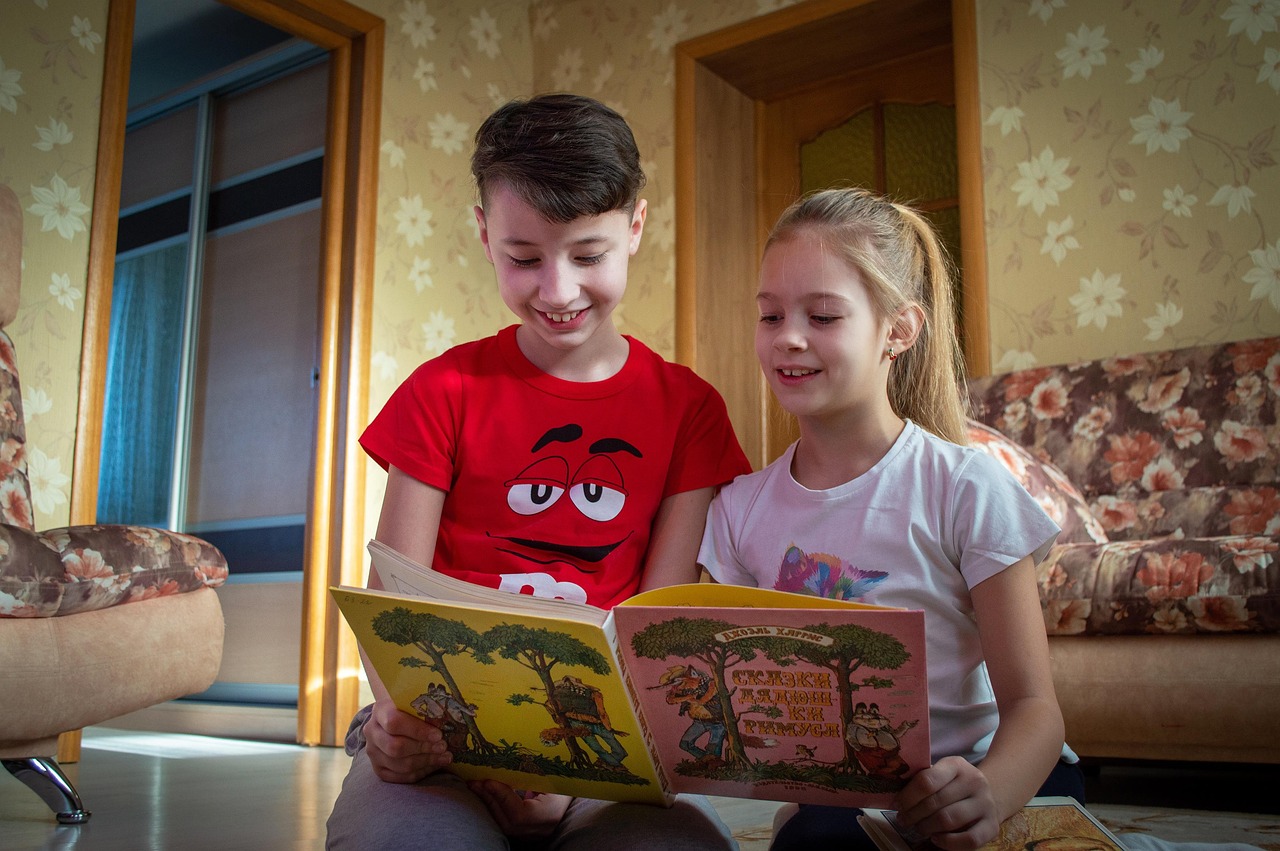
Unlike walking or talking, reading does not come naturally to the human brain. It is a learned skill that requires the brain to adapt existing neural networks. For children with dyslexia, the areas of the brain that normally process language and written words do not function as efficiently.
Brain imaging studies show that dyslexic readers use different, less effective pathways when decoding text. This can make tasks like recognising letters, connecting sounds to symbols, and processing language slower and harder.
The good news is that research also shows the brain can be “rewired” with the right kind of teaching. Structured, cumulative and multisensory approaches, such as Orton-Gillingham-based programmes, have been proven to strengthen neural pathways and improve reading ability.
What Helps

Effective interventions often include:
- Multisensory instruction that combines sight, sound, and movement
- Structured phonics teaching
- Programmes that build auditory processing and phonological awareness
- Visual recognition training for letters and words
Newer tools, such as Fast ForWord, are also being used to target the brain regions essential for fluent reading by combining neuroscience and education.
Dyslexia in Phuket
Parents in Phuket who suspect dyslexia should talk to their child’s teacher or school learning support department about screening options. Several international schools in the city have learning support staff trained to identify and assist children with dyslexia. Independent therapy centres and specialists can also provide assessments and evidence-based interventions.
Editor’s Note: Dyslexia does not define a child’s potential. With early recognition, proper instruction, and supportive learning environments, children with dyslexia can thrive: both academically and emotionally.