

Let’s be clear: dyslexia is a reading disorder, dysgraphia affects writing, and dyscalculia involves difficulties with numbers and maths. These conditions can overlap. Children with dyslexia may also struggle with writing, spelling, or attention to numbers. Reading, writing, and maths form the core of school life, and many children face daily challenges in these areas. This can lead to low self-esteem, disengagement, and frustration that sometimes shows up as behavioural issues. Schools in Phuket are increasingly recognising that not all children fit a single educational model. Some children who struggle in one area may excel in others and see things from different perspectives.

What is Dysgraphia?
Dysgraphia is a neurological disorder that makes writing difficult. Children with dysgraphia may form letters incorrectly, use the wrong words, and struggle to concentrate on other tasks while writing. Taking notes in class can be particularly challenging because so much attention is required just to get the words on paper. In childhood, dysgraphia is often linked to problems with orthographic coding, the aspect of working memory that helps store written words and guides hand movements for writing. Children with dysgraphia can read and spell but have difficulty processing and expressing those words in writing.

What Causes Dysgraphia?
Dysgraphia usually arises from difficulties with orthographic coding, a function of working memory that helps the brain store written words and guide the hand to form them. This means the brain struggles to translate thoughts into correctly formed letters and words, even when reading and spelling skills are intact.
The condition affects the planning and execution of writing, making it hard to produce sentences, words, or letters smoothly. It is not caused by low intelligence, laziness, or lack of effort. Instead, the brain has trouble processing and coordinating the motor movements needed for writing while simultaneously thinking about what to write. Early assessment and targeted support can help children manage these difficulties and improve their writing abilities over time.
What is Dyscalculia?
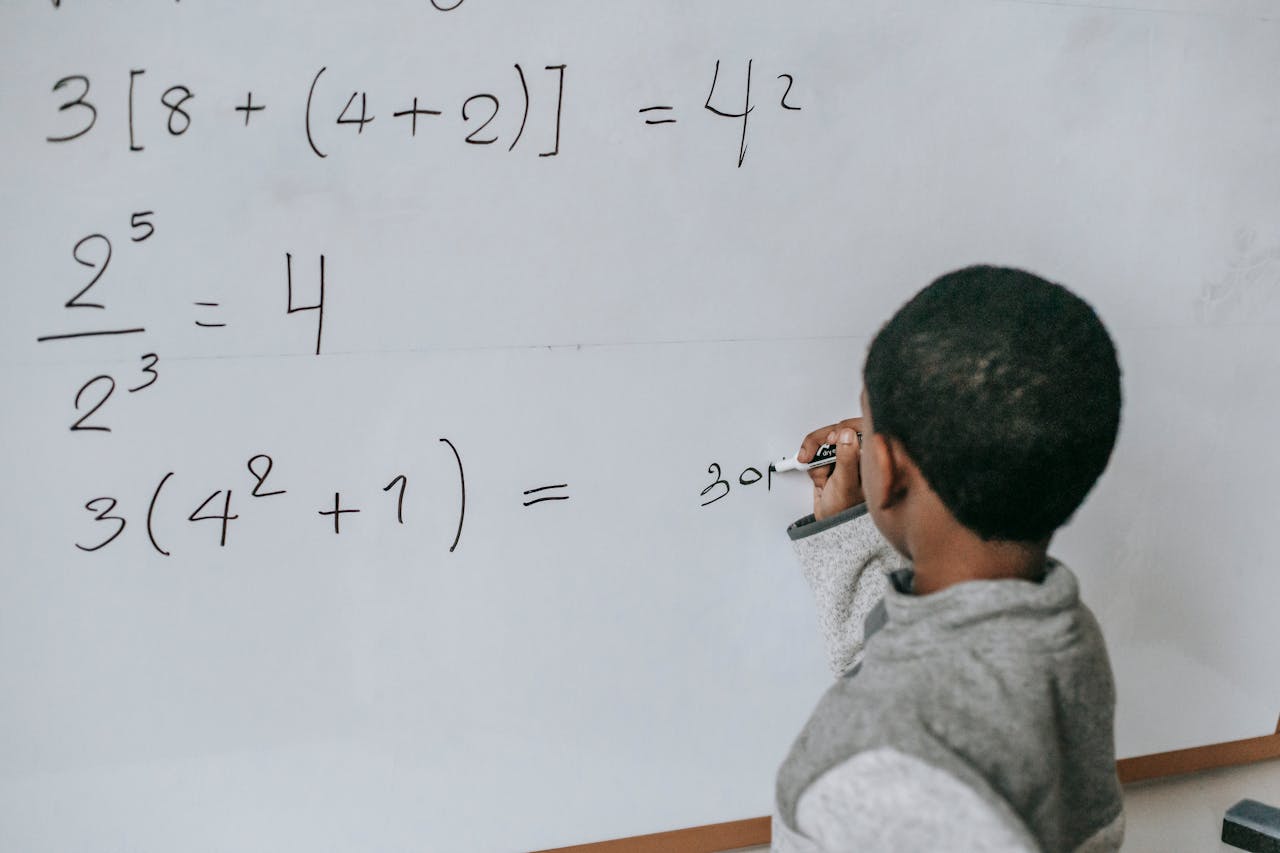
Dyscalculia is a persistent learning difficulty affecting the understanding and use of numbers and maths. Often described as “dyslexia with numbers,” it is less well known but can significantly impact daily life. Many people experience maths anxiety or lack confidence with numbers, and for children with dyscalculia, this difficulty is more pronounced. Both dyscalculia and dysgraphia can slow academic progress and lead to negative perceptions from teachers or peers. Children may be accused of being sloppy or inattentive, which can create frustration, anxiety, and a lack of confidence.

It is possible for a child to have both conditions, which makes proper assessment essential. Once diagnosed, support can include school-based accommodations, learning support programmes, and specialised academies or online resources. Working closely with teachers and schools allows children to access strategies tailored to their learning needs, helping them overcome challenges and build confidence in the classroom.