
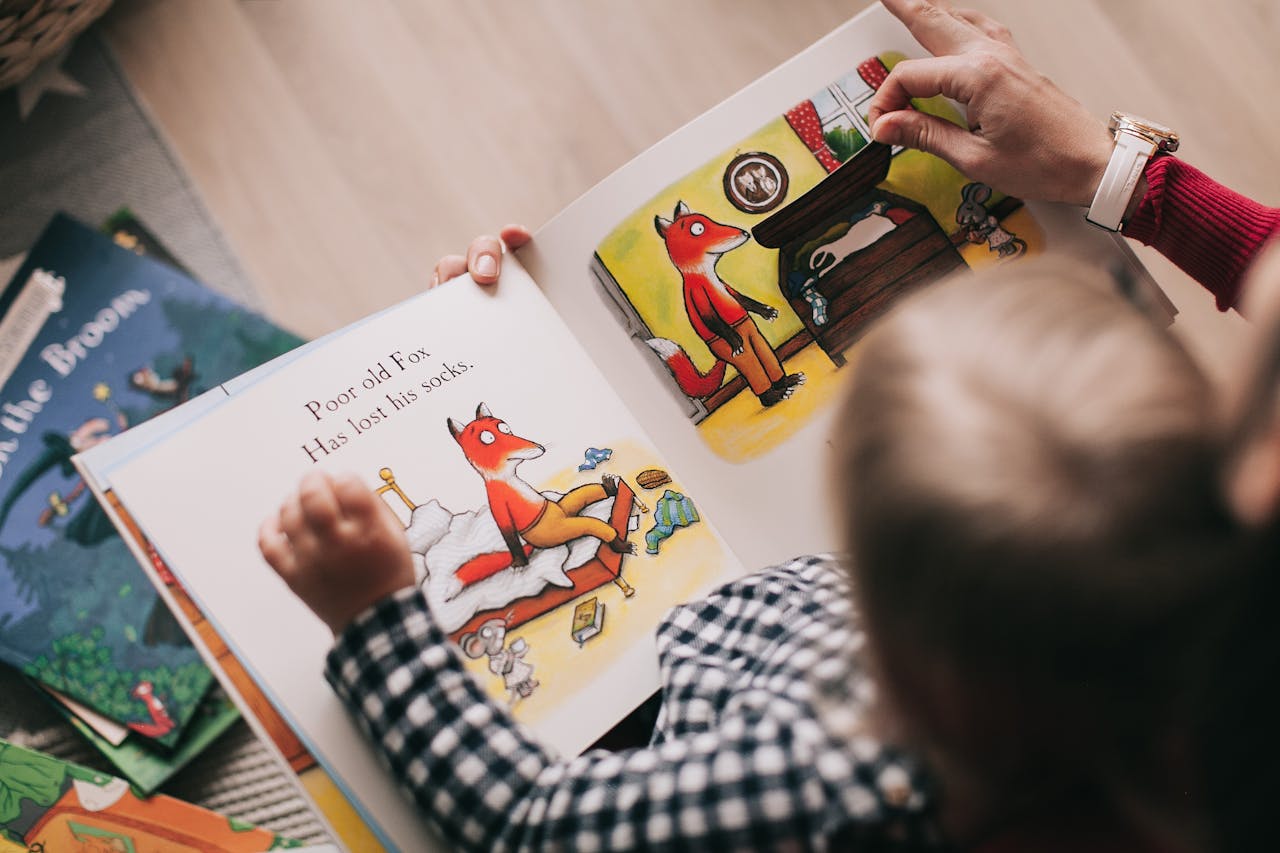
Helping a child learn to read is one of the most rewarding parts of parenting and, at times, one of the most overwhelming.
Parents of young children are constantly exposed to advice, programs, products and “must-have” learning tools. Much of this information doesn’t actually clarify the process of learning to read — instead, it can create unnecessary pressure. It often suggests that if a child hasn’t mastered certain skills before starting school (usually through purchasing a specific resource), they may fall behind academically.
Thankfully, that simply isn’t true.
The Technical Skills
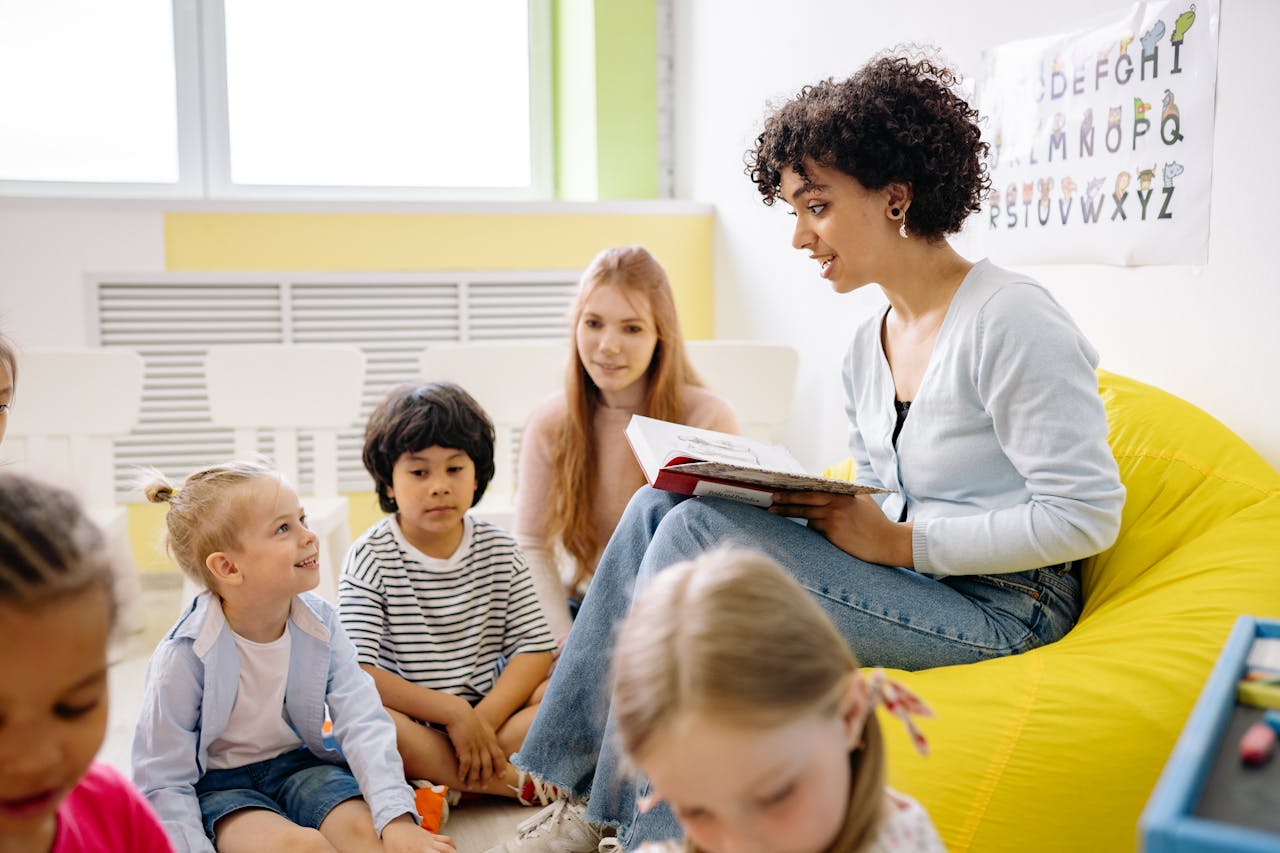
Educational resources frequently dive deep into terms like phonemes, blends and diphthongs. While these concepts are important, one key truth is often overlooked: children who grow into confident readers are usually those who genuinely enjoy books.
This doesn’t diminish the importance of learning the mechanics of reading often referred to as “decoding.” In fact, because these skills can feel complex at first, children need strong internal motivation to persist when reading becomes challenging.
Rewards such as stickers or praise may help temporarily, but long-term progress depends on curiosity and a child’s own desire to keep trying.

Critical Factors for Reading
Years of educational research have identified five essential components that contribute to reading success: phonological awareness, phonics (or word recognition), fluency, vocabulary and comprehension. Strong readers gradually build skills in all five areas, often with structured support from teachers.
Phonological Awareness
Phonological awareness including phonemic awareness refers to the ability to hear, identify and manipulate sounds in spoken language. Children must be able to recognise and work with sounds before they can successfully connect those sounds to letters during phonics instruction. If distinguishing sounds is difficult, linking them to written symbols becomes even harder.
Phonics or Word Recognition
Phonics involves understanding the relationship between letters and sounds. It allows readers to translate written words into spoken language by recognising letter combinations and their corresponding sounds.

Fluency
Fluency is the ability to read smoothly and accurately without constant hesitation. When reading becomes automatic, children can shift their attention away from decoding each word and focus instead on understanding the message. Fluency also includes reading with expression, which helps bring meaning and emotion to a text.
Vocabulary
Vocabulary knowledge goes beyond sounding out words, it involves understanding what those words actually mean. Without vocabulary comprehension, reading loses its purpose. A child may pronounce a word correctly but still struggle to grasp the overall meaning of a sentence or story.
Comprehension
Comprehension is the ultimate objective of reading. It refers to the ability to interpret, analyse and gain meaning from text. Strong comprehension requires active thinking, questioning and connecting ideas while reading.

Encouraging a Love of Reading
So how can parents inspire children to want to read?
The key is curiosity. Children are far more motivated when they are eager to discover what happens next in a story. However, for that curiosity to develop, they must first experience books as engaging, enjoyable and meaningful.
This begins with nurturing a genuine love of books themselves. For families who already enjoy reading, this may feel natural. For others, particularly parents who may not see themselves as enthusiastic readers it can feel intimidating.
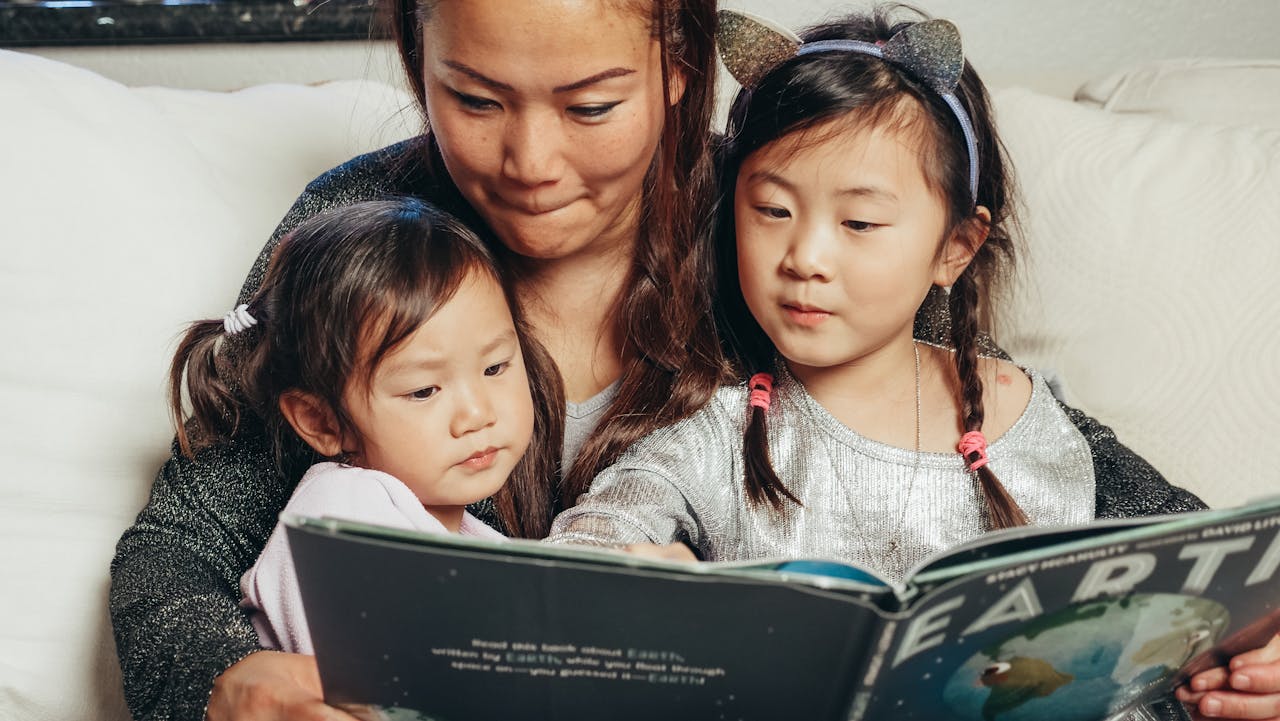
Practical Tips to Make Reading Enjoyable
To help make reading time both fun and sustainable for the whole family, consider the following:
- Choose books you enjoy too – Before committing to a book, take a quick look through it yourself. Children often request the same story repeatedly. If you strongly dislike it, reading it over and over can become frustrating. Selecting stories you also appreciate makes repeated readings far more enjoyable.
- Add playful twists during repeat readings – If a story has been read countless times, try swapping a few words for humorous alternatives. Small changes that slightly alter the meaning can spark laughter and engagement. Many children love spotting the differences and correcting adults when they get it “wrong.”
- Create your own books together – Homemade books don’t need to be elaborate. A few drawings, photographs or short sentences are enough. Children especially love stories featuring themselves or their family. Making books together also teaches that writing is a way to share ideas and tell meaningful stories.
- Be present during reading time – Set aside dedicated, distraction-free time for books. It’s difficult to communicate that reading is valuable if attention is divided between a story and emails or household tasks. Even a short period of focused reading together can strengthen a child’s connection to books.
- Avoid comparisons – Children develop reading skills at different rates. Comparing progress to peers can create unnecessary stress. If concerns arise, discuss them privately with a teacher rather than expressing worry in front of a child. Maintaining a calm and supportive environment helps preserve confidence and enjoyment.
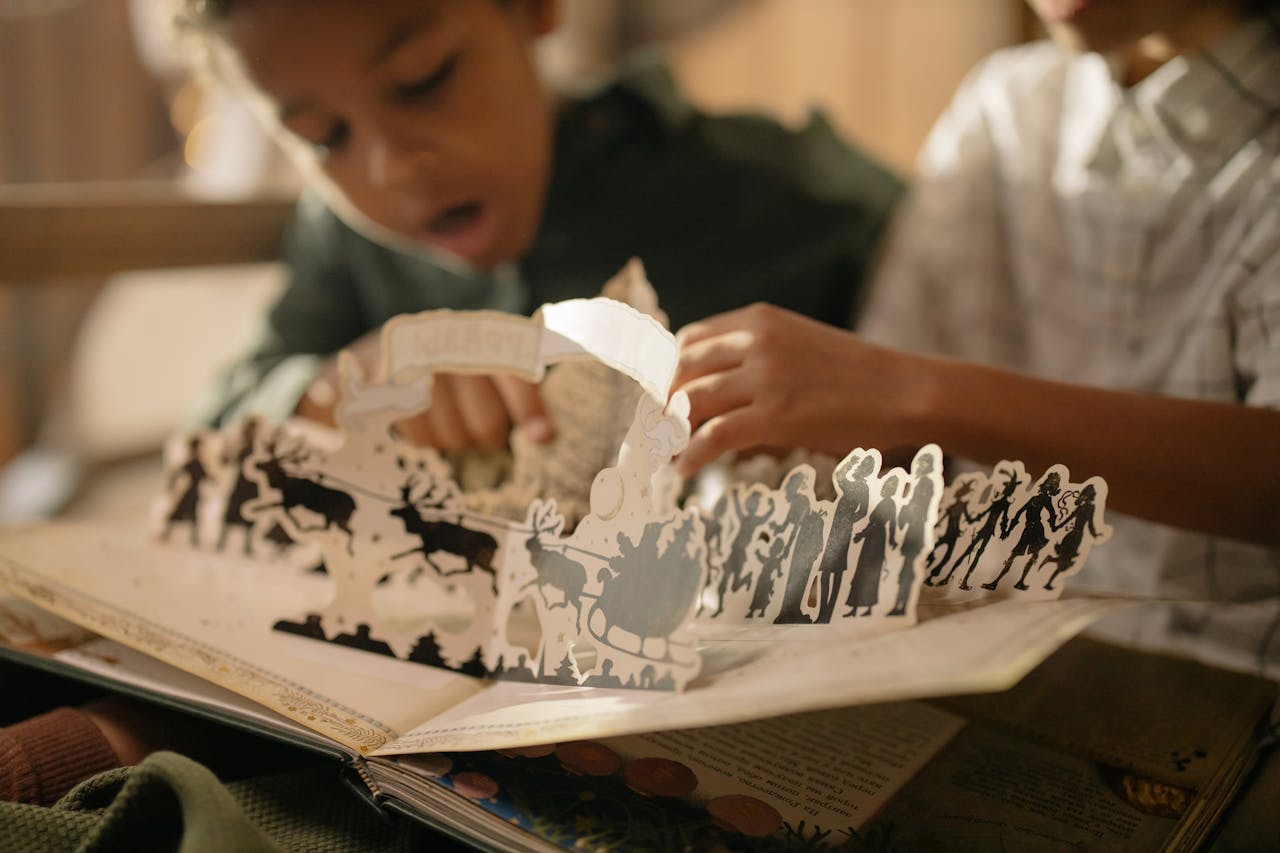
Learning to read is a journey that unfolds gradually. While technical skills are important, fostering a love of stories and shared reading experiences may be the most powerful foundation of all.
Most importantly, take a step back, relax and continue enjoying books together. The moments spent sharing stories today often become the building blocks of confident readers tomorrow.