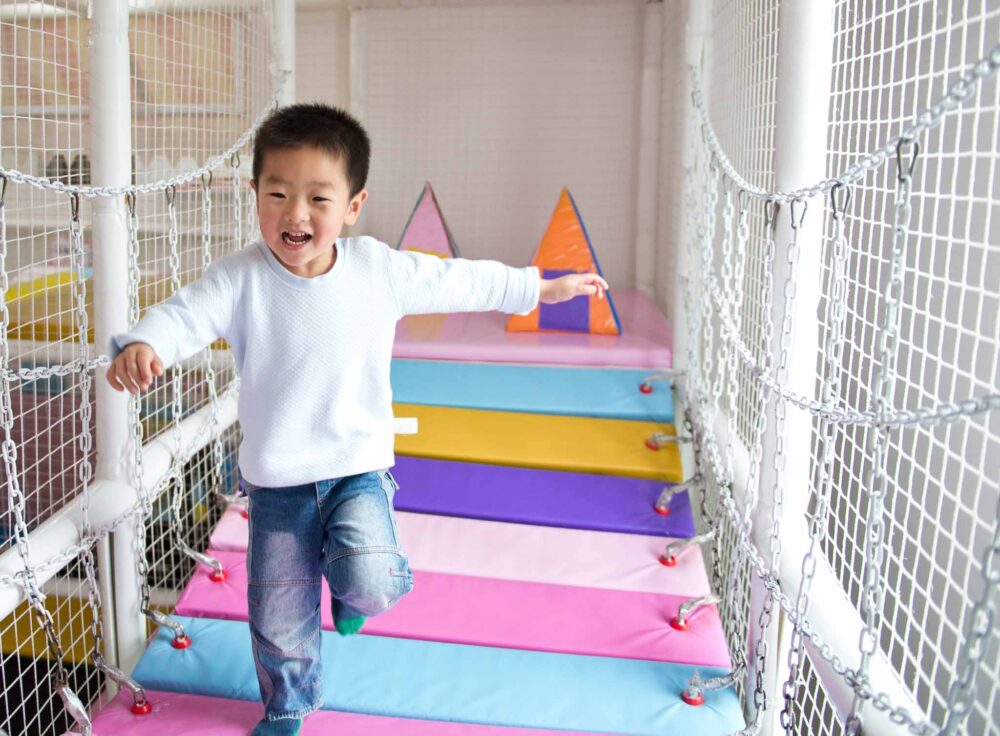
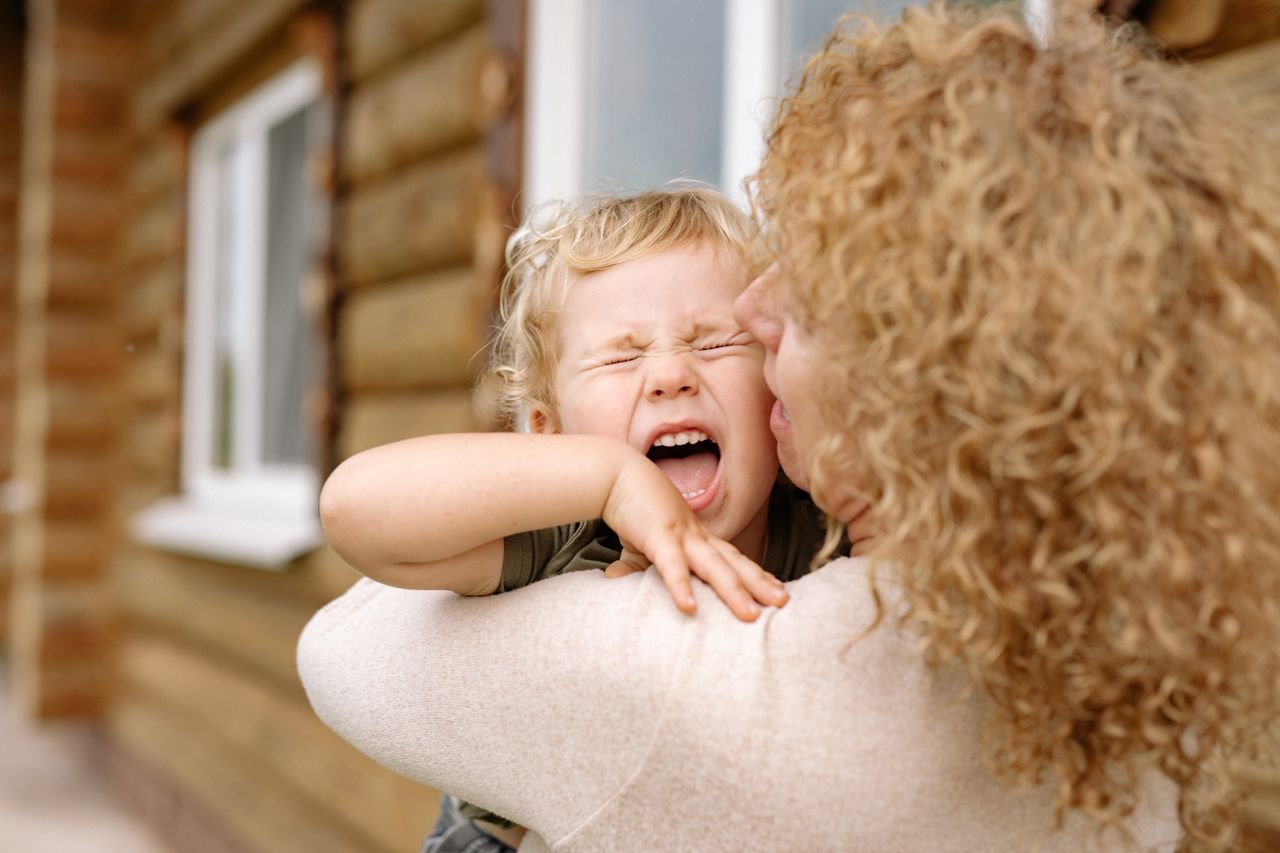
Starting a new school, nursery, or childcare programme is an exciting milestone, but it can also bring a wave of emotions for both children and parents. It’s completely normal for young children to feel anxious when separated from their parents, especially if it’s their first experience spending time away from home. Likewise, many parents find it just as difficult to leave their little one, even if it’s only for a few hours.
The good news is that separation anxiety is a normal part of childhood development, and with patience, consistency, and reassurance, most children gradually become more confident and independent. Here are five simple ways to make the transition a little easier for the whole family.
Start with Small Steps
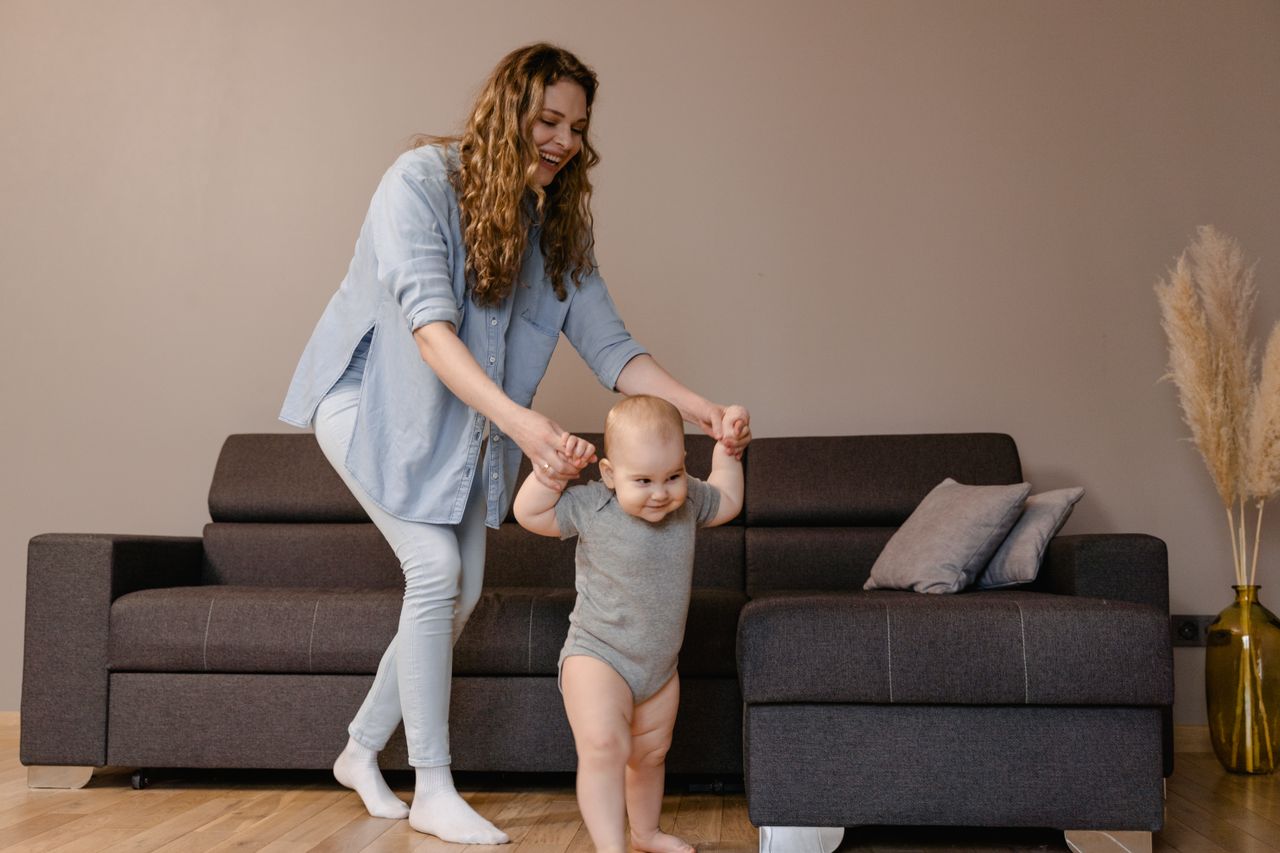
If your child has rarely been away from you, try introducing short periods of separation before their first day at school or nursery. Leaving them with a trusted family member or close friend for 20 to 30 minutes can help them learn that you’ll always come back.
As both you and your child become more comfortable, gradually increase the amount of time you’re apart. Taking things slowly helps build confidence without feeling overwhelming.
Keep Things Familiar
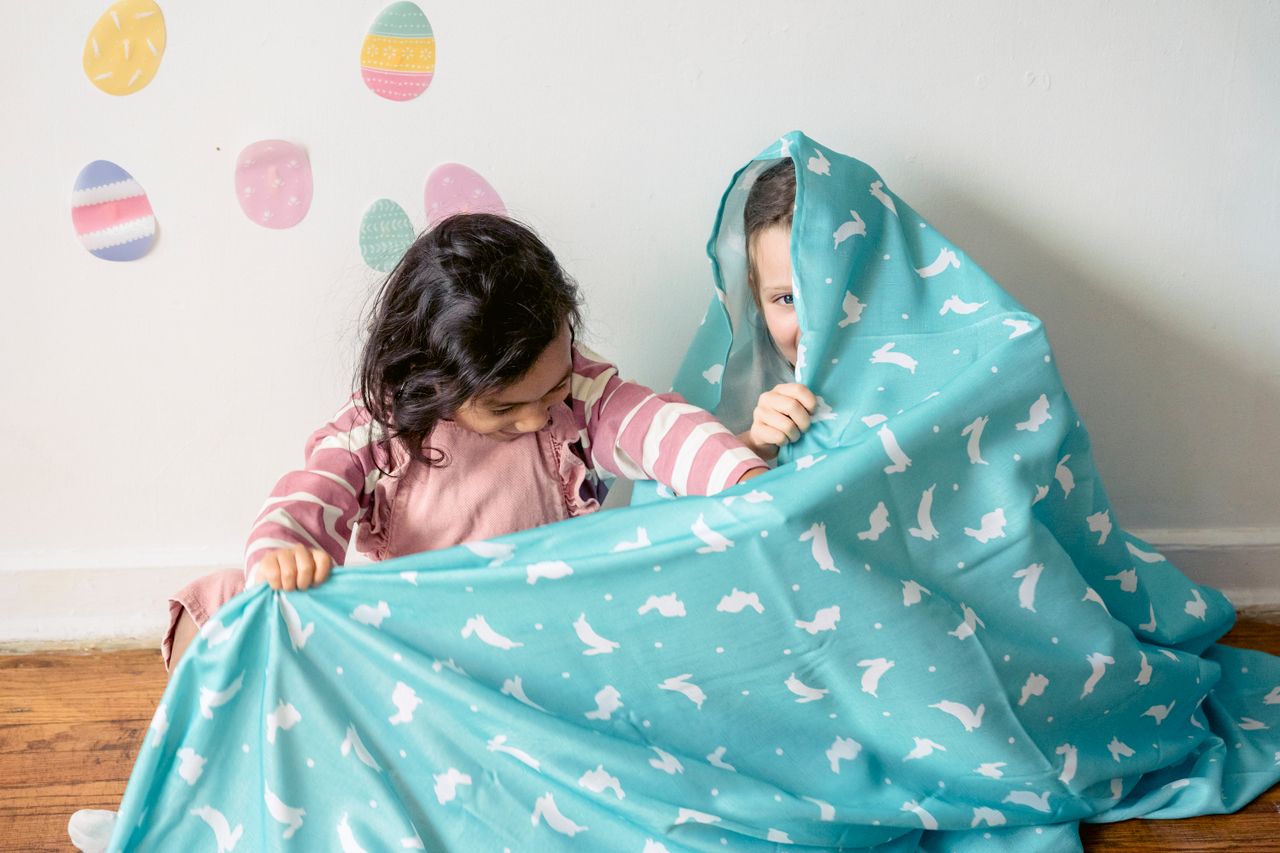
Children thrive on routine and familiarity, particularly during times of change. If someone else is looking after your child, try to maintain their usual daily routine, including meal times, naps, and bedtime rituals.
Allowing them to bring a favourite teddy, blanket, or comfort toy can also provide reassurance when they’re away from home. Familiar faces, familiar routines, and familiar objects all help children feel safe and secure.
Remember That It’s Okay to Feel Guilty
Many parents feel guilty about leaving their child, even when they know they’re in safe hands. While these feelings are completely understandable, it’s important to remember that spending time apart can be healthy for both parent and child.
Having time to work, run errands, meet friends, or simply enjoy a little self-care allows you to return feeling refreshed and better able to support your family. Helping your child develop independence is also an important part of their emotional growth.

Talk About What to Expect
Children often cope better with new experiences when they know what’s going to happen. Before the first day of school or childcare, explain where they’ll be going, who they’ll meet, and when you’ll be coming back to collect them.
Keep your language positive and encourage them to ask questions if they’re feeling unsure. Reading books about starting school or talking through the daily routine together can also help reduce anxiety and make the experience feel more familiar.
Keep Goodbyes Calm and Confident
Saying goodbye is often the hardest part of the day, but long or emotional farewells can sometimes increase a child’s anxiety. Instead, keep goodbyes short, warm, and reassuring.
Let your child know you’ll be back, give them a hug and a smile, then leave confidently. Although there may be a few tears at first, most children settle quickly once they become engaged in activities with their teachers and classmates.

Every Child Adjusts at Their Own Pace
Some children settle into new routines within a few days, while others need several weeks to feel completely comfortable. Be patient, celebrate small successes, and remember that separation anxiety is usually temporary.
With consistency, reassurance, and plenty of encouragement, your child will gradually develop the confidence to enjoy new experiences, make new friends, and embrace the exciting adventures that lie ahead.