Head lice. Just hearing the words can make any parent itch.
While they may feel unpleasant, there’s no need to panic. Head lice are a common childhood issue and are not a sign of poor hygiene or an unclean home despite the stigma that still surrounds them. In fact, they are especially common among school-aged children, particularly those with longer or thicker hair.
If your child comes home with lice, think of it as simple bad luck rather than a cause for embarrassment. Here’s what Phuket parents need to know.
How to Spot Head Lice
You can usually detect lice or their eggs (called nits) by carefully parting your child’s hair and examining the scalp in good light. Pay close attention to areas behind the ears and around the nape of the neck.
An adult louse is about the size of a sesame seed and may appear greyish or brown. Nits are much smaller tiny white, yellow or light brown specks that are firmly attached to individual strands of hair. Unlike dandruff, they do not brush off easily.
Some children experience itching, while others may have no symptoms at all.
How Lice Spread
Head lice spread through close contact. They cannot jump or fly they crawl from one head to another. This is why outbreaks are common in schools, nurseries and activity groups where children naturally play close together.
If your child has lice, begin treatment promptly and inform the school so they can monitor for additional cases. Most schools in Phuket have policies in place to manage outbreaks responsibly and discreetly.
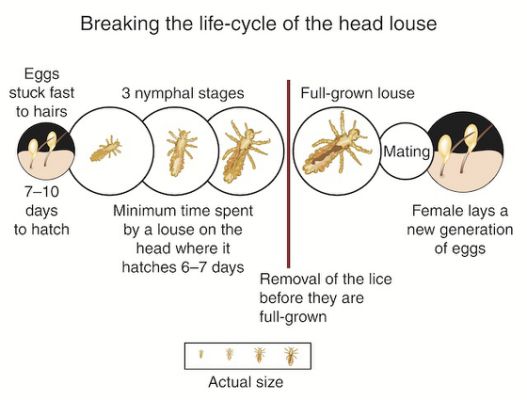
It helps to understand the lice life cycle. An adult female can lay several eggs per day. These hatch within one to two weeks and mature into adult lice within another one to two weeks. Adult lice can live for up to 30 days on a person’s head but survive only a short time away from a host.
There’s no need to deep-clean your entire home. Washing bedding in hot water, vacuuming soft furnishings, and temporarily isolating soft toys in a sealed bag for a week is sufficient. The priority should always be treating your child’s hair thoroughly.
Treatment Options
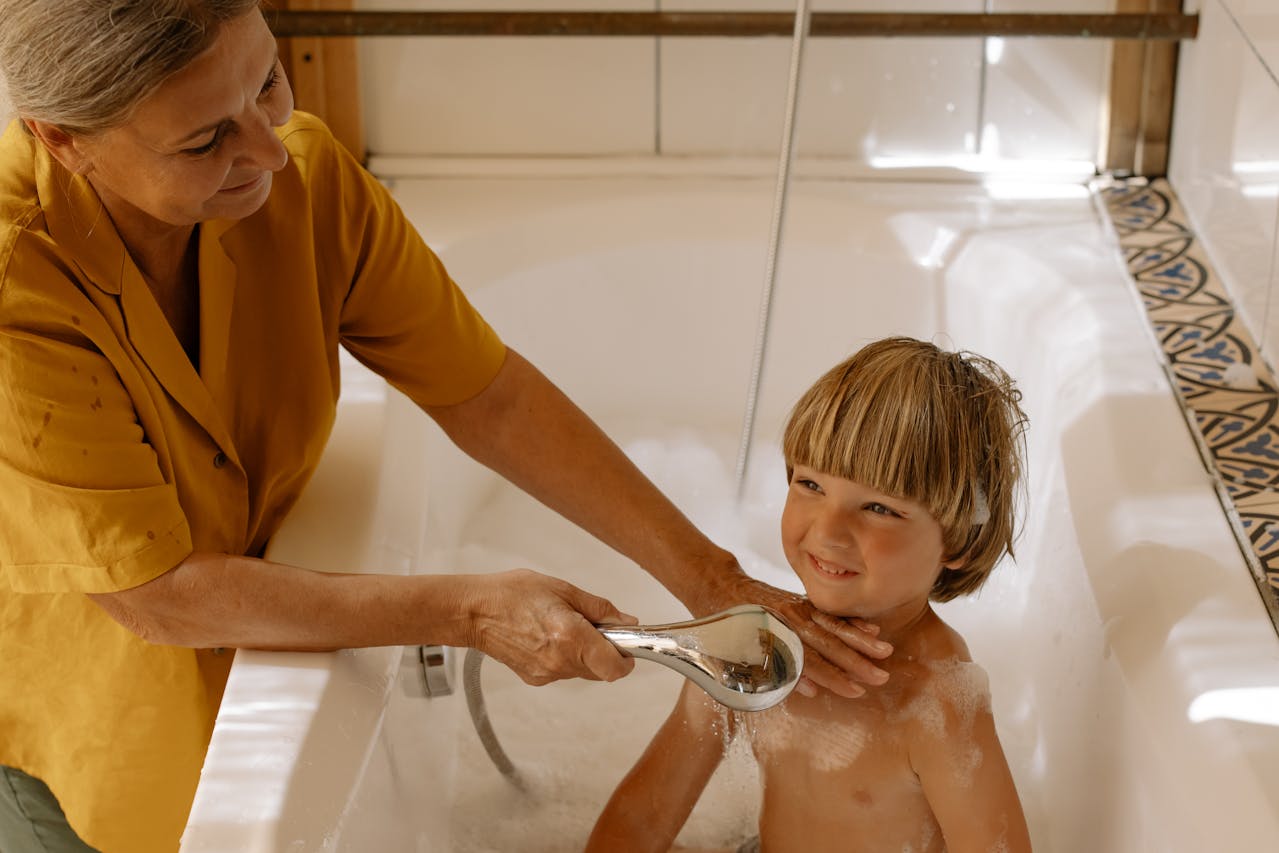
Pharmacies across Phuket stock over-the-counter lice treatments in the form of medicated shampoos or lotions. These products are designed to kill live lice and usually require at least two applications spaced about 7–10 days apart to target newly hatched eggs.
If you prefer gentler alternatives, some families try home-based remedies. Soaking the hair in a diluted vinegar solution may help loosen nits attached to hair shafts. Applying natural oils such as olive oil can suffocate adult lice if left on the hair for several hours before washing out. Tea tree oil is also commonly used, diluted with a carrier oil before application.
Whichever treatment you choose, consistency is key.
Combing is Essential
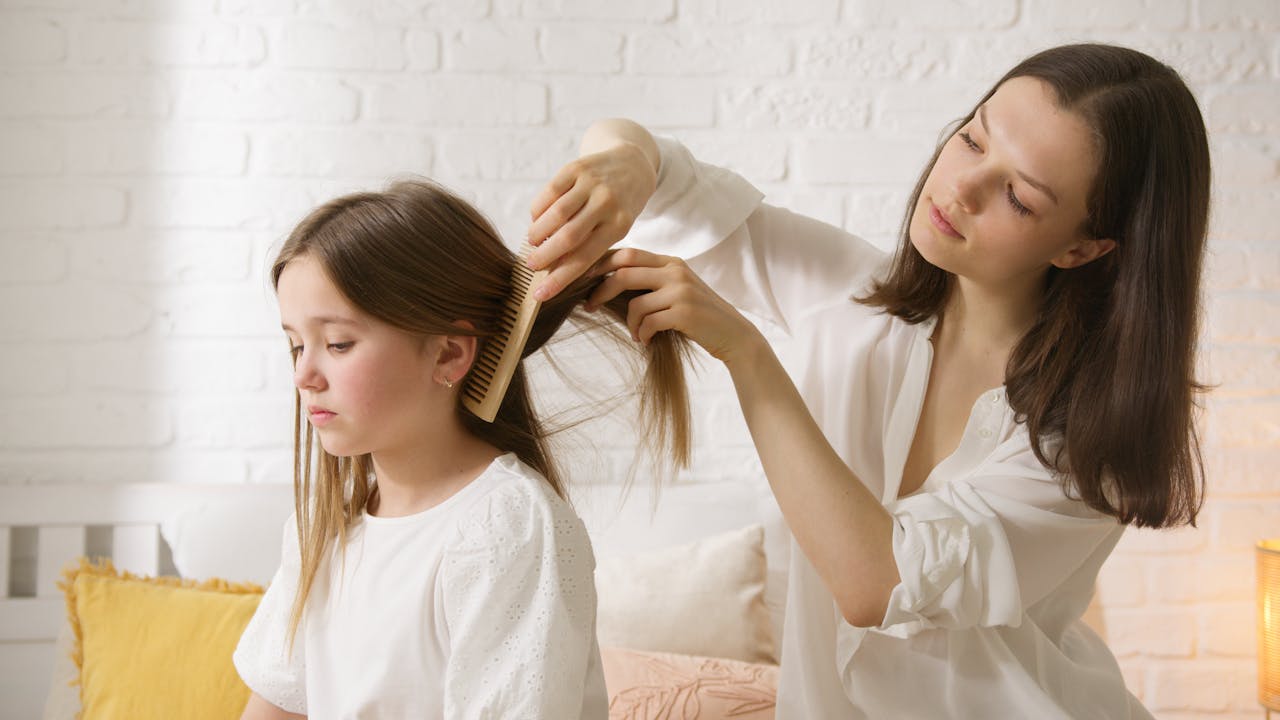
Regardless of the method used, careful combing is one of the most important steps in removing lice and nits. After treatment, use a fine-toothed metal nit comb to section and comb through the hair thoroughly, removing lice and eggs strand by strand.
Daily combing for at least one to two weeks greatly improves the chances of completely breaking the lice life cycle.
Preventing Reinfestation
To reduce the chance of lice spreading:
- Encourage children to avoid head-to-head contact during play.
- Avoid sharing hats, hair accessories, brushes, or bedding.
- Tie long hair back during school hours where possible.
Some parents use diluted tea tree oil sprays as a preventative measure, although results vary. The most effective prevention remains awareness and early detection.
Final Reassurance
Although dealing with head lice can feel frustrating, they are not dangerous and are highly treatable. Staying calm, acting quickly, and following through with thorough combing and follow-up checks will usually resolve the issue within a few weeks.
And remember if your child gets lice, you are not alone. It’s simply part of childhood for many families here in Phuket.