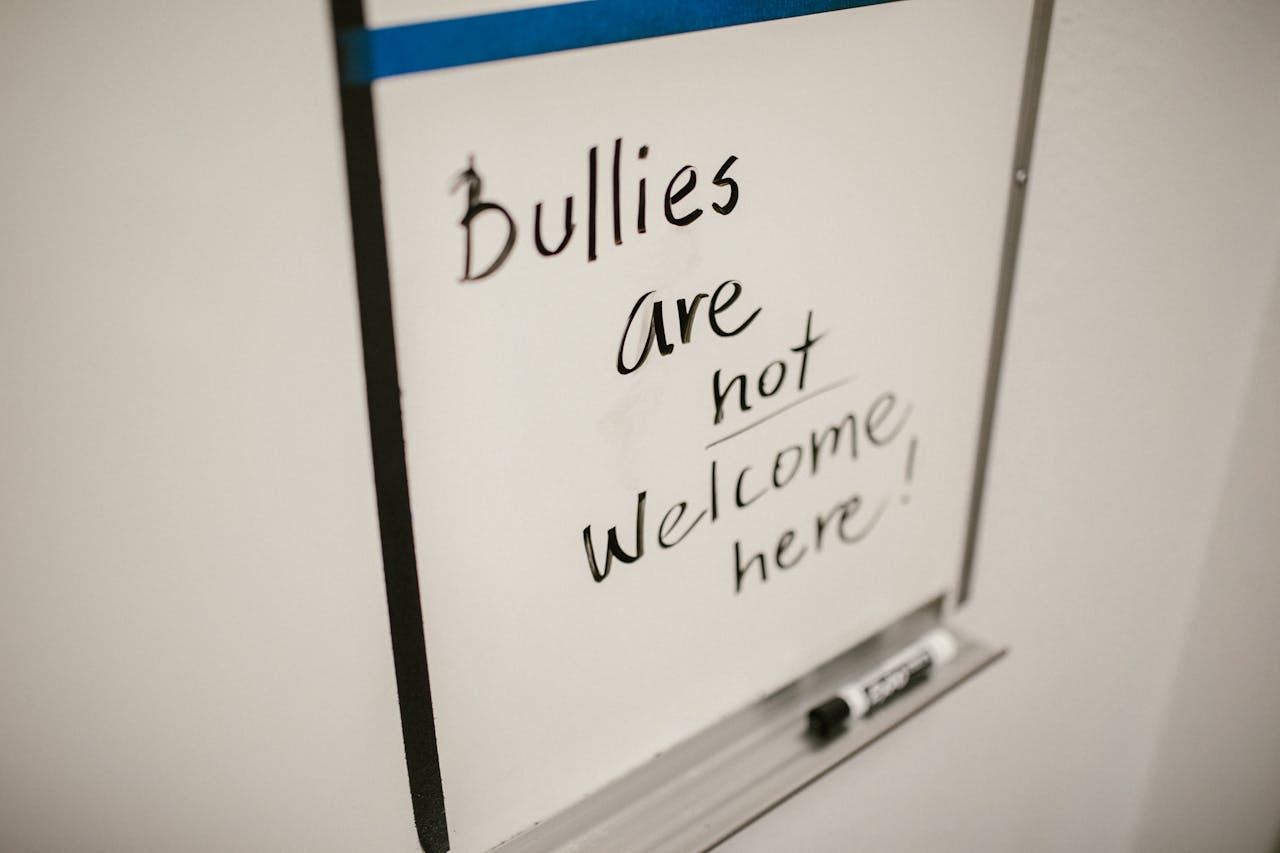
Bullying is one of those horrible experiences that many people encounter during childhood. In the past, it was often dismissed as “just kids being kids,” but we now understand that bullying can have lasting emotional and psychological effects well into adulthood.
With technology playing an ever-growing role in children’s daily lives, there are now more ways than ever for bullying to occur both in person and online. This makes it essential for parents and caregivers to talk openly with children about what bullying is, why it is never their fault, and how to respond safely and appropriately.
Every child deserves to feel secure, respected, and supported, whether they are at school, at activities, or online.
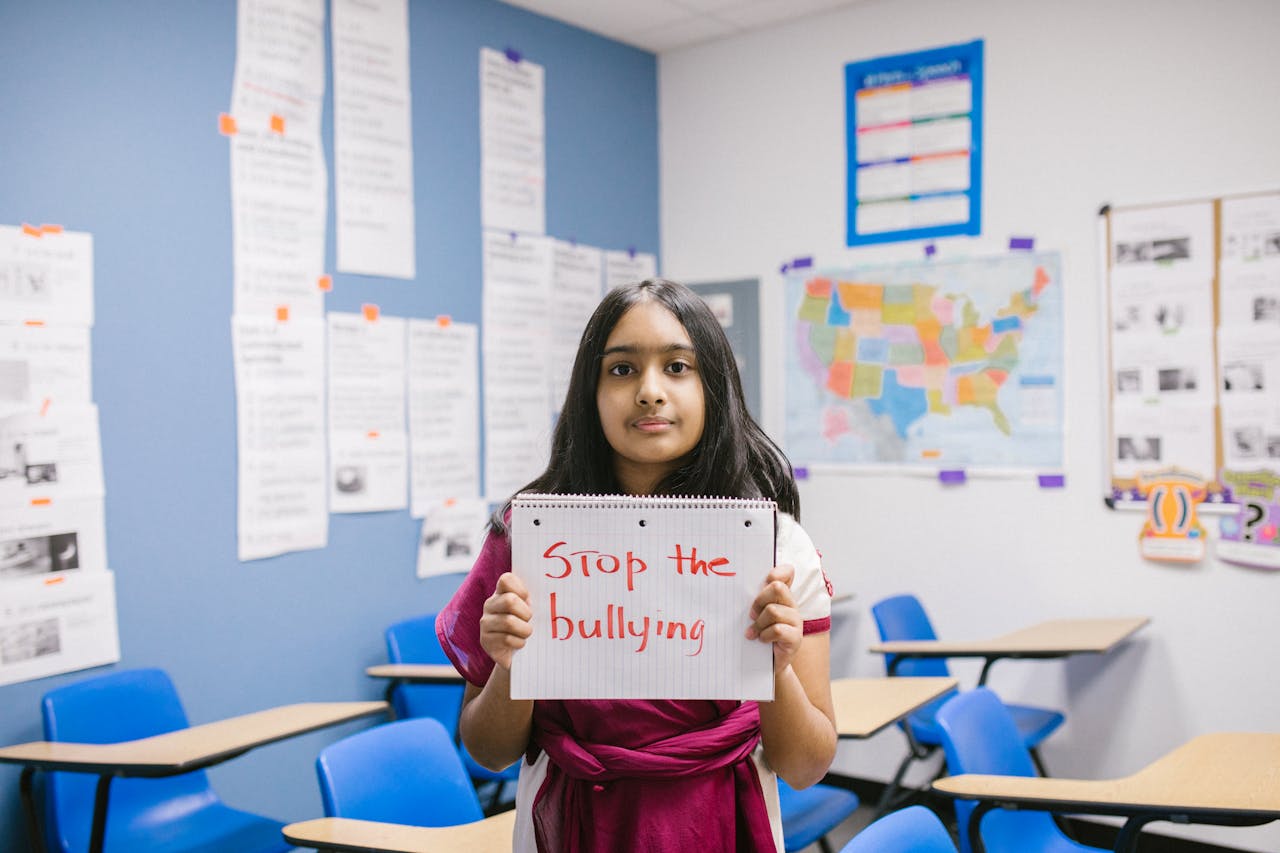
Real-Life Bullying
This type of bullying often comes from peers and sometimes even from friends.
What bullying can look like:
Throwing insults, verbal or written threats (including messages passed through other children), pushing, shoving, or hitting, shouting, deliberately damaging personal belongings, stealing, spreading rumours, or intentionally excluding someone.
Bullying has traditionally taken place face-to-face, often in school or group settings. While the stereotype of the “school bully” still exists, bullying today can take many forms and may be more subtle or persistent than it once was.
It can be helpful to explain to children that those who bully others are often struggling with their own emotions and may not know how to express anger, insecurity, or frustration in healthy ways. However, it is crucial to clearly emphasise that bullying is never the victim’s fault.
Children should always be encouraged to tell a trusted adult if bullying occurs whether that is a parent, teacher, caregiver, or family member. Any behaviour that becomes physical or threatening should be reported immediately.
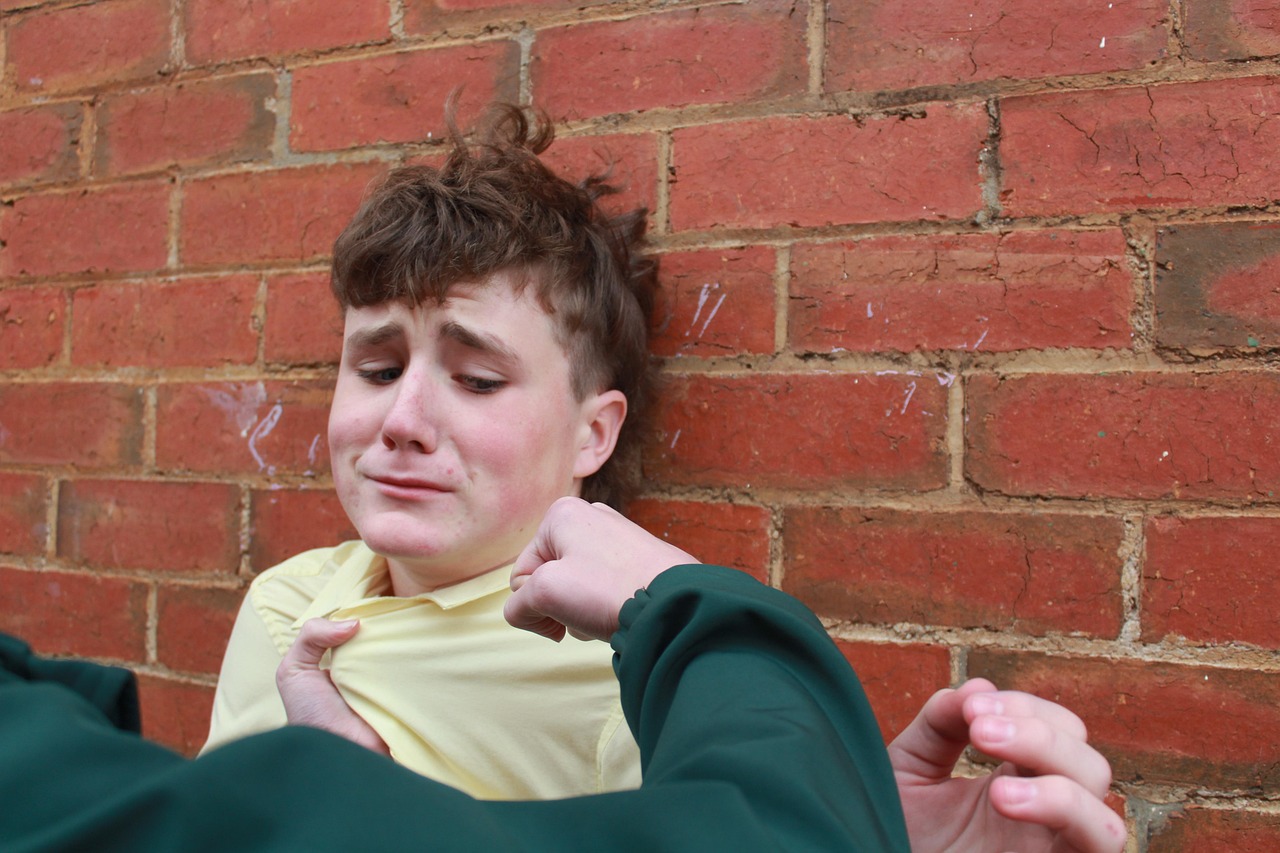
Bullying Within Friend Groups
What bullying can look like:
Constant teasing disguised as jokes, being singled out, pushing or hitting, being pressured to do unreasonable tasks, having money or belongings taken, being treated as inferior, or being mocked as part of a group.
Bullying does not only come from children who openly dislike one another. It can also happen within friendship groups, which can make it more confusing and emotionally difficult for children to recognise.
While light-hearted teasing can be normal, there is a clear line where it becomes harmful. Making one child the ongoing target of ridicule, humiliation, or control is not acceptable, even among friends. Children should understand that friendship is never an excuse for bullying behaviour.
Bullying in Schools
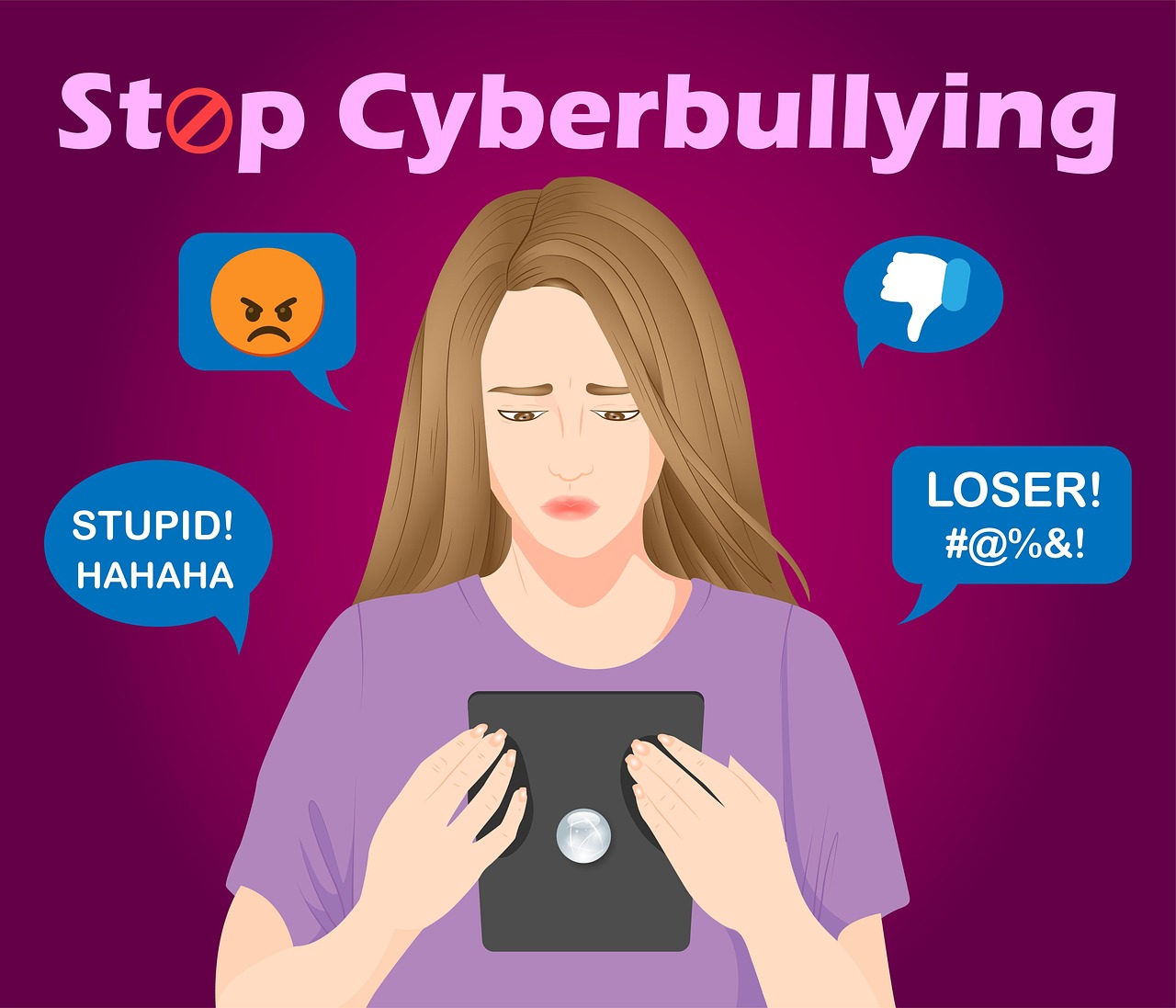
Cyberbullying
This type of bullying often comes from people the child already knows.
What bullying can look like:
Sending insulting or mocking messages, threats (including death threats), sharing personal information online, posting photos or videos without consent, altering images to humiliate someone, or encouraging others to join in online harassment.
Technology brings many benefits, but it also creates new opportunities for bullying. Cyberbullying can happen at any time of day and can feel relentless, especially when harmful messages appear repeatedly on social media or messaging platforms.
It is important for children to understand that bullying is still bullying, even when it happens online. Threats, insults, and harassment should always be taken seriously and reported to a trusted adult.
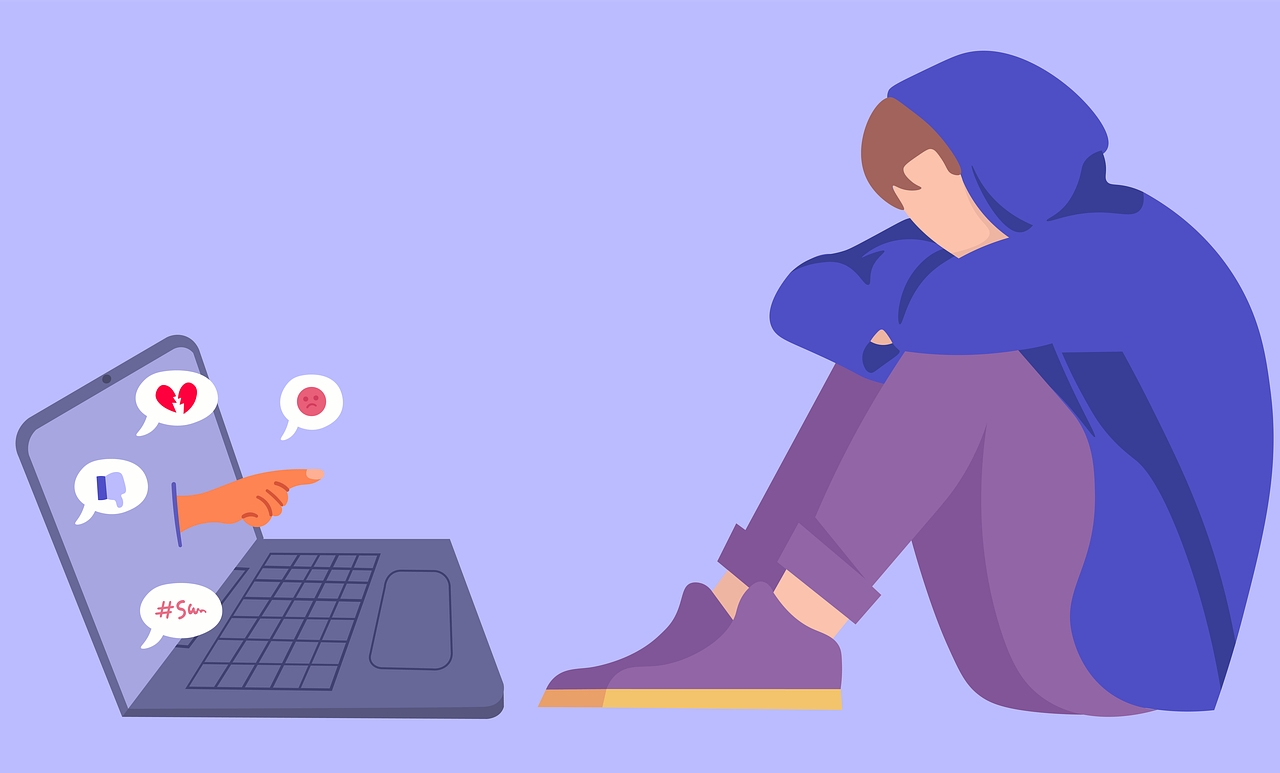
Strangers and Online Safety
What bullying can look like:
Aggressive or insulting private messages, threats, attempts to locate the child, requests for personal information, pressure to send inappropriate content, or demands for money.
While bullying from peers is common, interactions with strangers online can pose an even greater risk. Some individuals hide behind screens to intimidate, manipulate, or groom children.
Children should be taught that “stranger danger” applies online just as much as it does in real life. They should never engage with people they do not know or cannot verify, and any interaction that feels uncomfortable, invasive, or threatening should be shared with a trusted adult immediately.
What To Do
Once children understand what bullying looks like, it is equally important to help them know how to respond. Some practical steps include:
- Children who experience bullying should always tell a trusted adult as soon as possible.
- Parents and caregivers should feel empowered to speak with schools, playgroups, or activity organisers, as most institutions have anti-bullying policies in place.
- Children should be encouraged not to bully back or respond with physical violence, as this can escalate the situation and place blame on them.
- If possible, children should remove themselves from the situation and report any aggressive behaviour.
Why Talking About Bullying Matters
Bullying is a cycle that can be passed from one generation to the next if left unaddressed. While awareness has increased, modern technology has created more ways for children to be targeted.
Open conversations help children recognise bullying, express how it makes them feel, and understand that they are not alone. Ignoring bullying does not make it disappear, children need guidance, reassurance, and clear strategies to handle it safely, whether it comes from classmates, friends, or strangers.
Editor’s Note: If you are concerned about your child’s emotional wellbeing, support is available. Phuket has a growing network of counsellors, psychologists, and mental health professionals who work with children and families. It may be helpful to contact a few providers to find someone who feels like the right fit, as each child’s needs are different.
If you would like help finding child and family mental health resources in Phuket, feel free to reach out to the Phuket Kids team.