
Homework isn’t exactly every child’s favourite after-school activity, but technology might just be the secret ingredient that makes it a little more exciting. As highlighted recently in the Bangkok Post, tools like data analytics, artificial intelligence, and machine learning are reshaping education in Thailand. With platforms such as NetDragon’s eLernity Thailand emerging, children now have more innovative, interactive ways to learn than ever before.
Kids today are naturally tech-savvy, often teaching their parents a thing or two. In fact, research shows that around 40% of parents pick up new tech skills, from online navigation to basic coding, directly from their kids. But technology isn’t only about entertainment anymore; it has completely changed the way children learn, work, and solve problems, giving them hands-on, creative experiences their parents never had.

Homework With Impact
Children as young as five are completing homework using platforms like Scratch, where they code their own games and learn the basics of programming through play. Today’s assignments aren’t limited to reading and writing. Kids have access to:
- language-learning websites
- math games and puzzles
- interactive science platforms
- digital quizzes and assessment tools
Technology gives students more ownership over their learning, allowing them to see real outcomes from their effort and understand why foundational skills matter in everyday life.

Working Together: Shared Documents & Digital Spaces
For older students, shared digital workspaces have completely transformed how group projects and assignments are done. Platforms like Slack allow kids to communicate with classmates or teachers, plan tasks, and keep discussions organised, while Google Docs lets several students write, edit, and comment on the same document in real time. Because these tools work across laptops, tablets, and even smartphones, collaboration can happen anytime and anywhere. And with everything backed up in the cloud, students no longer have to panic about lost files or computer crashes. Digital teamwork has never been more accessible or more efficient.
Nearly Real-Life Exploration
Gone are the days when learning about the Arctic, the Amazon, or other far-off places meant flipping through textbooks and looking at still photographs. With high-speed internet and live streaming, students can now follow scientific expeditions as they happen, observe wildlife in real time, and even participate in live Q&A sessions with researchers and explorers. This shift from passive reading to active, real-time engagement makes lessons richer, more memorable, and far more exciting. Kids are no longer just learning about the world they’re experiencing it.
Virtual Reality: A New Way to Learn
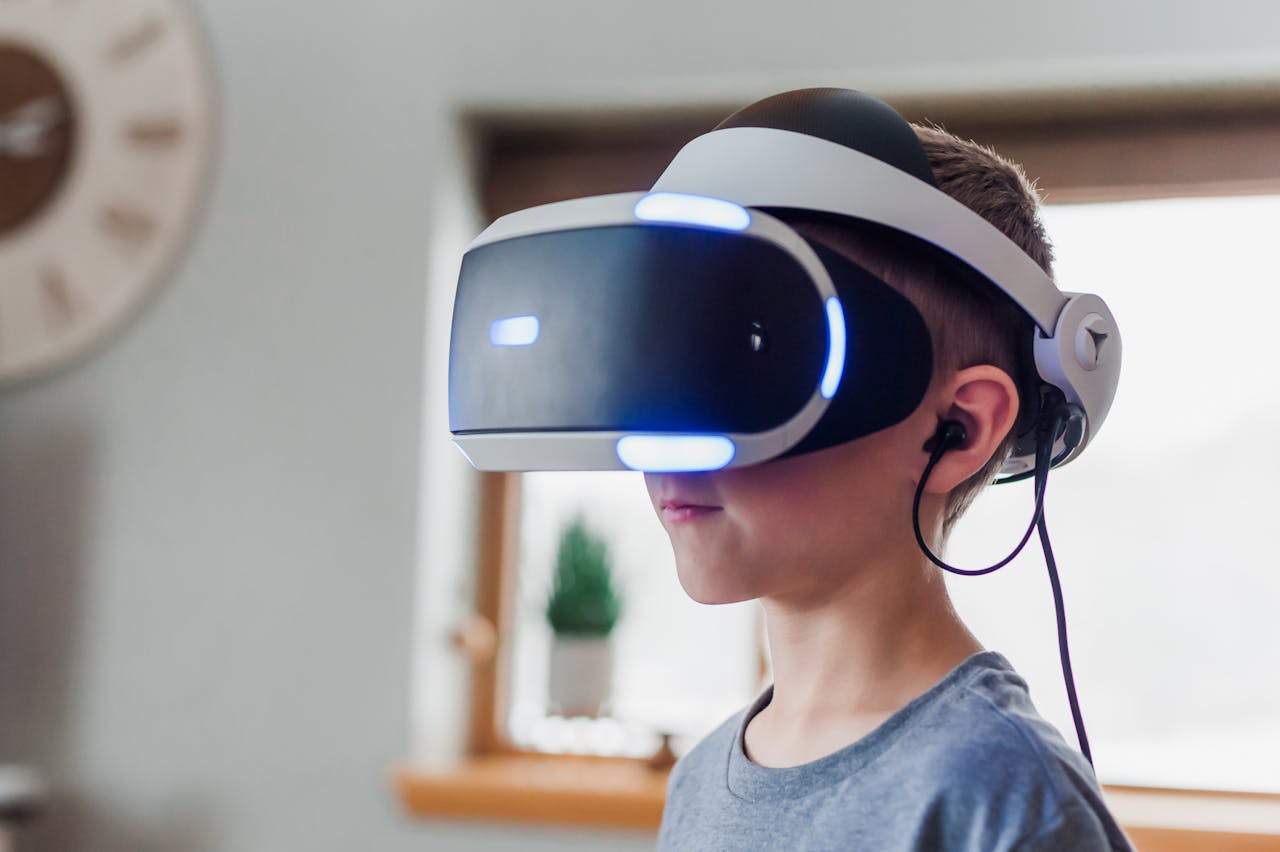
Virtual reality is taking immersive learning to an entirely new level. With headsets such as Oculus Rift, students can step inside realistic digital environments where they might explore ancient civilisations, travel through space, or dive into coral reefs. VR lets children witness complex processes like climate change or ecosystem decline in a way that feels immediate and tangible. For subjects such as geography, history, or environmental science, this hands-on immersion makes concepts easier to grasp and sparks deeper curiosity. VR isn’t just enhancing education, it’s transforming it.

So… Is Tech Making Homework Easier?
Absolutely. Far from being distractions, apps, VR, coding platforms, and digital workspaces help children understand the world around them more deeply. These tools spark curiosity, boost confidence, and give kids a chance to explore subjects that genuinely interest them.
Technology isn’t replacing traditional learning, it’s enriching it, making homework more interactive, more engaging, and more connected to real-world discovery.