
Developmental Language Disorder, often called DLD, is one of the most common yet least understood learning difficulties among children. Research suggests it may affect up to two children in every classroom, but because the signs are not always obvious, it is often referred to as a “hidden disorder.” Many children go undiagnosed and unsupported, which can make both school and social life much harder than it needs to be.
Children with DLD struggle with communication, both understanding what others are saying and expressing their own thoughts clearly. These difficulties often extend into written language, affecting reading and writing development. Importantly, DLD is not caused by hearing problems, bilingualism, or intellectual disability. It is also distinct from autism, though children with autism may experience similar language challenges.
What Does DLD Look Like?
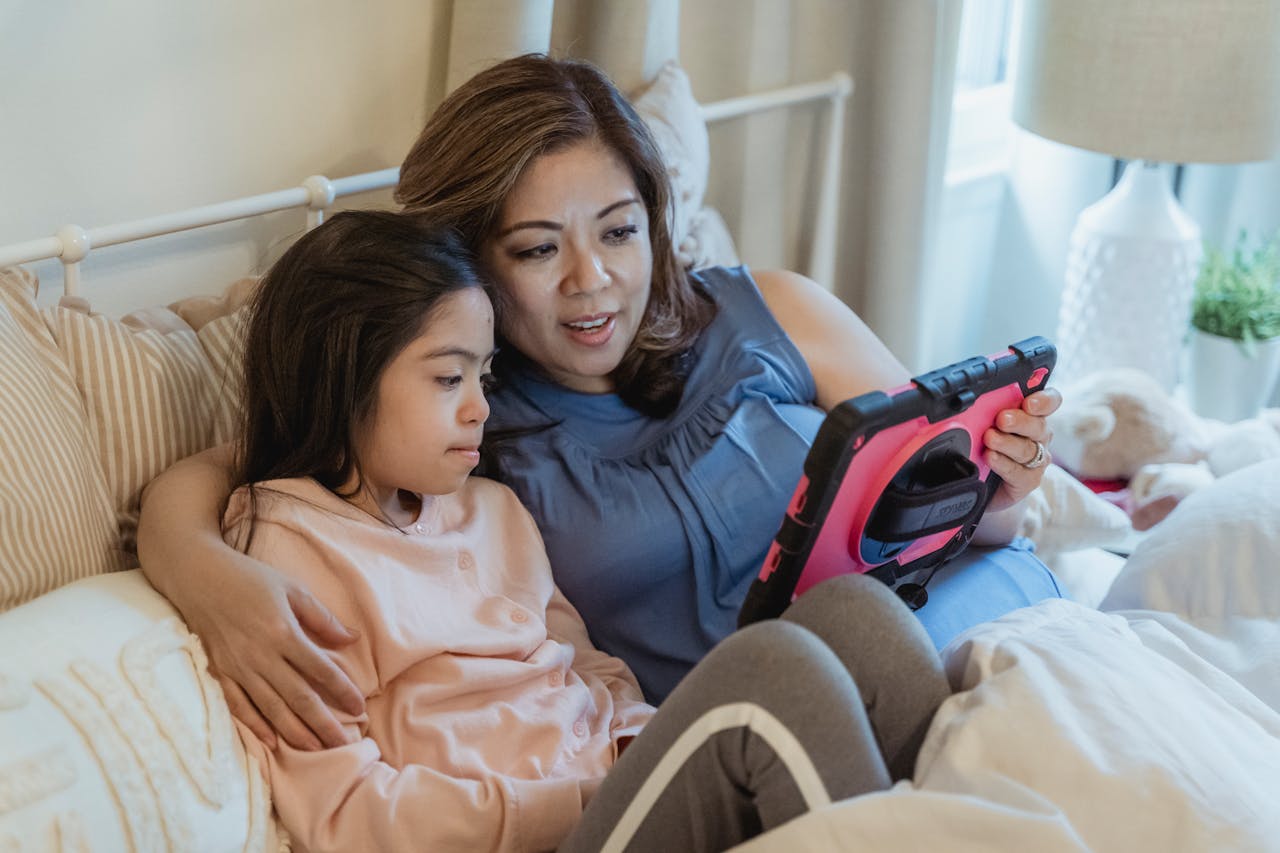
Imagine wanting to share your ideas in class but struggling to find the right words quickly enough. Or trying to follow instructions from a teacher but finding the language too confusing or too fast to process. This is the reality for many children with DLD.
Children with this condition may use shorter or simpler sentences, have trouble with grammar, or overuse words like “it,” “that,” or “here” when they can’t find the right vocabulary. They may also be slower to start talking compared to their peers. While many children say their first words around 12 months and begin combining words by two years, children with DLD may fall behind these milestones.
Over time, these difficulties don’t just affect language, they can impact learning, literacy, friendships, and confidence. Many children who are labelled as having attention, behavioural, or literacy problems may actually have undiagnosed DLD. Without the right support, frustration builds, and children may struggle to reach their potential.

How is DLD Treated?
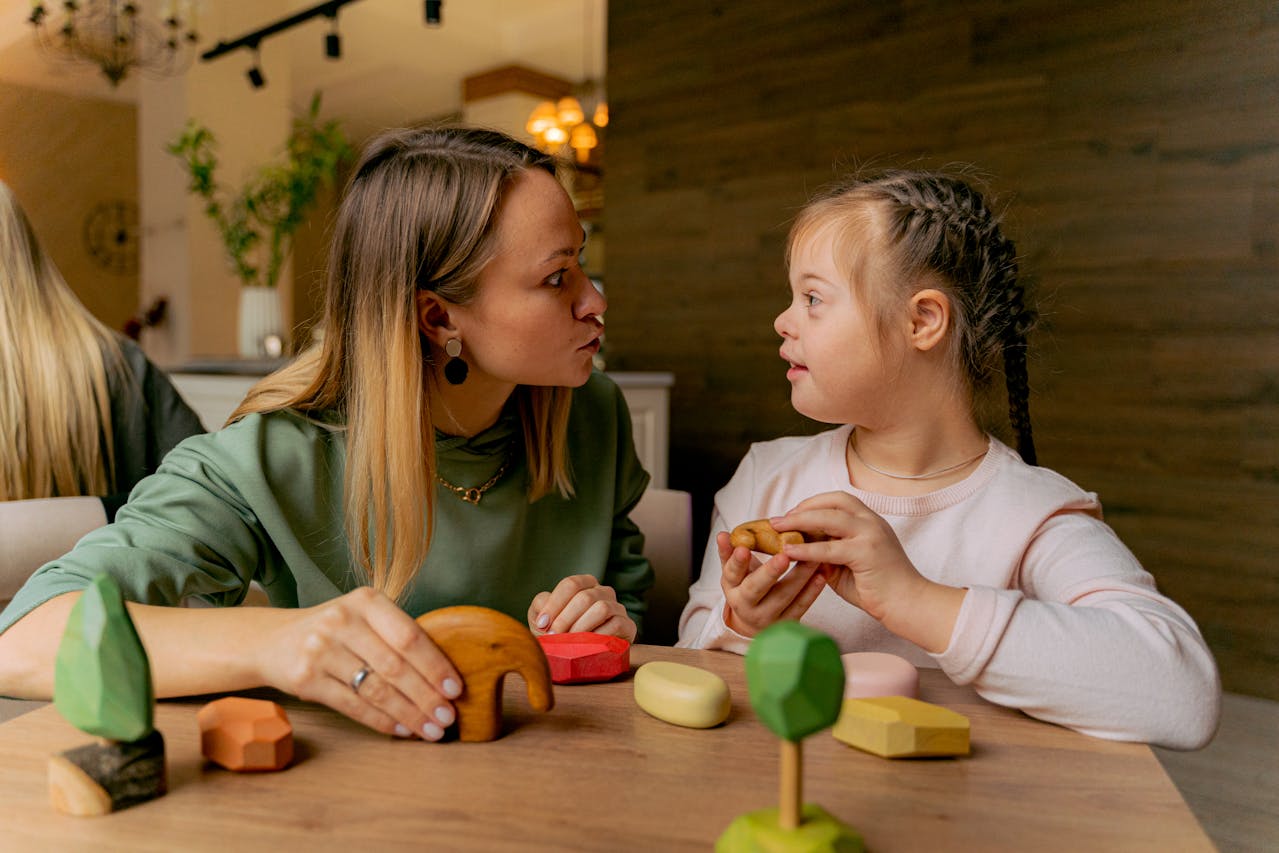
The good news is that help is available. Speech and Language Pathologists (SLPs) are trained professionals who assess and support children with DLD. An assessment usually includes gathering information from parents and teachers, observing play and communication, and using structured tools to identify strengths and weaknesses. For bilingual children, both languages are evaluated to give a complete picture.
Therapy is tailored to each child, with activities designed to build both understanding and expression. Early intervention makes a huge difference. SLPs can start working with children as young as 18 months. If you feel something isn’t quite right with your child’s language development, trust your instincts and seek advice.
Getting Support in Phuket
Families in Phuket have access to a growing number of resources for children with speech and language challenges. Some international schools on the island now provide in-house learning support and therapy, and there are private clinics with qualified speech and language pathologists who can assess and guide families.
If you’re concerned about your child’s development, reaching out early can open the door to therapies that help children gain confidence, thrive socially, and succeed academically.
For more information about DLD, you can also visit DLD and Me, which offers parent-friendly resources and advice.